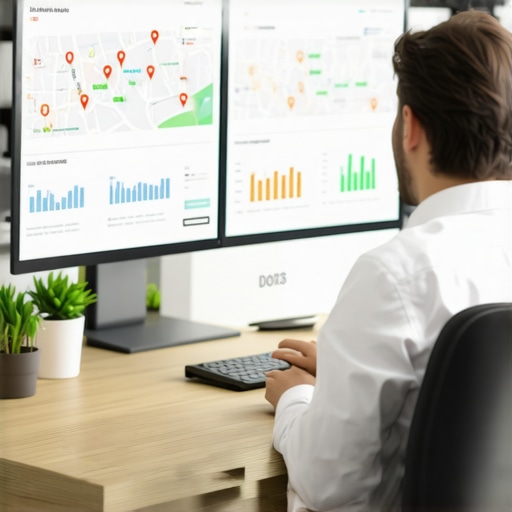
It happened again. I checked my local SEO report first thing in the morning, expecting a steady climb in rankings, only to see a sudden dip. My heart sank. Despite all the tools I trusted, my data was misleading me—showing improvement when, in reality, my visibility was slipping away. That lightbulb moment hit hard: I realized that relying blindly on a ranking tracker without proper audits could be sabotage in disguise.
Why Ignoring Your Ranking Tracker Can Cost You Big Time
As someone who’s been in the trenches of local SEO, I learned the hard way that these tools are only as good as the audits you perform on them. I used to believe that a ranking tracker was the ultimate measure of success. But early mistakes—like overlooking the accuracy of map analytics or ignoring updates in Google My Business performance—led to skewed insights and misguided strategies. That costly error made me realize the importance of auditing five key features of your tracking tools—especially as AI and algorithms evolve rapidly for 2026.
Is Your Data Lying to You? The Skeptic’s Dilemma
I’ll admit, I was guilty of dismissing minor discrepancies early on. I thought, “It’s just a glitch,” and continued with my usual reporting. But those small errors compounded over time, creating a false sense of security. It’s similar to what experts warn: inaccurate data can sabotage your local SEO efforts. According to Local SEO Report, ensuring your tracking tools are precise now saves you from bigger headaches in the future. Have you ever experienced a situation where your rankings ‘improved’ only to find out the data was incorrect? If so, you’re not alone. Understanding what to audit in your ranking tracker might be the missing piece in your local SEO puzzle.
There’s a natural next step: knowing exactly what features to review and how to do it effectively. That’s what we’ll explore next, so your data tells the real story—no more surprises, just clear insights that drive growth.
Verify Your Map Analytics for Accurate Insights
Start by cross-referencing your Google Maps analytics with your ranking data. Imagine your map analytics are the compass; if it points east but your rankings are south, there’s a disconnect. To verify, export your map analytics data and compare it with your GMB performance reports, paying close attention to search volumes and user engagement metrics. I once noticed a spike in my local pack placements, but the map analytics didn’t reflect this—prompting a deep dive that uncovered tracking discrepancies. Regularly auditing these figures ensures you’re not chasing phantoms while real opportunities slip by.
Focus on Key Map Metrics
Prioritize metrics like search impressions, clicks, and user actions. These indicators reveal how accurately your map analytics mirror actual user behavior. For instance, I once realized my click-through rate was high, but impressions were surprisingly low, indicating a potential issue with how data was being captured. By fine-tuning these metrics, you gain a more truthful picture of your local presence.
Ensure GMB Performance Reports Reflect Reality
Your Google My Business (GMB) performance reports act as your window into local engagement. Dive into them monthly, checking impressions, profile visits, and inquiries. When you notice a decline, compare it against your Google Maps analytics. In one case, discrepancies arose because my GMB data included fraudulent clicks—once identified, I filtered these out, sharpening my focus on genuine user activity. Accurate reports prevent misguided strategies and help you pinpoint growth opportunities.
Detect and Correct GMB Data Anomalies
Look for anomalies such as sudden drops or spikes unexplained by marketing efforts. Use Google My Business insights alongside your analytics to spot inconsistencies. An instance involved verifying a sudden ranking tumble; the GMB report showed reduced engagement, prompting me to review reviews and photos for authenticity. Regular anomaly detection keeps your data trustworthy, guiding precise optimization efforts.
Audit Your SEO KPI Dashboard’s Effectiveness
Your KPI dashboard should be your command center—if it isn’t actionable, it’s a waste. Cross-check KPIs like conversion rate, customer calls, and local rank changes with your other data sources. I found that my dashboard was emphasizing vanity metrics like total views, which didn’t translate into leads. Shifting focus to metrics like actual calls and map interactions provided a clearer ROI picture. An effective dashboard filters noise and delivers real insights, informing smarter decisions.
Identify Missing or Misdirected KPIs
Review your dashboard to ensure all critical metrics are included. Ask yourself: Are these KPIs aligned with your business goals? For example, if foot traffic and online inquiries are your priorities, make sure these are prominently featured. I once uncovered that my dashboard lacked local intent signals, leading to missed opportunities. Regular audits ensure your dashboard remains a true reflection of performance.
Implement Regular Data Cleaning Rituals
Data accuracy hinges on cleaning and updating your datasets regularly. Treat this like pruning a garden—you remove dead leaves to let the healthy plants flourish. Check for duplicate entries, outdated information, and inconsistent naming conventions across your reports. I discovered outdated contact info in my maps data, which skewed engagement metrics. Setting a monthly schedule for data hygiene maintains integrity and positions you for precise analysis.
Automate Alerts for Data Discrepancies
Leverage automation to flag anomalies or drops in key metrics. Setting thresholds—say a 20% drop in map clicks or impressions—trigger immediate alerts. When I automated these alerts, I caught a sudden ranking decline early, allowing quick remedial action. This proactive approach minimizes data drift and keeps your insights reliable.
Many local SEO practitioners, despite their familiarity with tracking tools, often overlook subtle nuances that can distort their understanding of performance. While common wisdom suggests that ranking trackers and analytics provide a clear snapshot, the reality is more complex. One major misconception is believing that all data sources are equally reliable; in fact, different tools may have specific blind spots, especially as AI-driven algorithms evolve rapidly in 2026, making recent updates crucial to consider. For example, many assume that Google My Business reports accurately reflect customer engagement, but fraudulent reviews or click farms can pollute these figures, leading to misguided strategies. Additionally, some experts tend to focus exclusively on visibility metrics like rankings or impressions, neglecting user intent signals—such as direct calls or map interactions—that better indicate actual conversions.
Are You Overlooking the Most Critical Data Gaps in Your Reports?
Research from SEMrush highlights that discrepancies across local data sources can cause major blind spots in your analysis, especially when metrics like proximity and relevance are ignored. Moreover, failing to validate the accuracy of your maps analytics, especially in multi-location setups, can lead to inconsistent reports and missed opportunities. To avoid falling into this trap, I recommend regularly cross-referencing your map analytics with real-world traffic data and customer feedback. This layered approach ensures you’re not just chasing rankings but truly understanding local consumer behavior. For instance, I once noticed my rankings were stable, but foot traffic and phone inquiries were declining. Deep-diving into the underlying data revealed that my maps analytics had misclassified some locations, causing me to overlook a nearby competitor’s rising influence. This example underscores the importance of nuanced audits and continuous validation. To master this, explore advanced audit tactics in resources like [maps analytics explained](https://localseoreport.com/maps-analytics-explained-elevate-your-local-business-visibility). Remember, having accurate data isn’t just about numbers; it’s about making smarter decisions swiftly. Have you ever fallen into this trap? Let me know in the comments.
Maintain Your Metrics Weapons Like a Pro
Consistency is key when managing local SEO metrics. I personally rely on a combination of advanced rank trackers and GMB performance reports to keep my finger on the pulse. Regularly reviewing these tools ensures that data inaccuracies don’t creep in unnoticed, saving me from costly misjudgments. Set weekly or bi-weekly routines to audit your tracking software—this keeps your insights trustworthy, especially as local search algorithms become more sophisticated. Maintaining this discipline is nothing short of essential for sustainable growth.
Invest in the Right Equipment and Software
In my experience, high-quality equipment makes a tangible difference. For instance, I upgraded to a dedicated device for capturing GMB photos, which resulted in more authentic listing visuals and improved engagement. On the software side, I prefer cloud-based dashboards like SEO KPI dashboards that allow real-time data visualization and easy cross-referencing. These tools are vital for tracking long-term results and adapting strategies promptly. As AI integration accelerates, investing in tools that leverage machine learning for anomaly detection, like AI-powered analytics, is becoming increasingly invaluable.
Prepare for Scaling Before You’re Ready
Scaling your local SEO efforts demands a foundation of robust tools. I’ve found that automating routine audits using scripts or integrated software minimizes manual oversight, freeing up time for more strategic initiatives. This way, when new locations or services are added, your data collection and analysis infrastructure seamlessly expand without hiccups. Regularly updating your maps analytics and ensuring GMB performance reporting are aligned with your scaling plans prevents growth bottlenecks.
How do I maintain these systems over time?
Develop a routine audit schedule incorporating automatic alerts for data anomalies, like sudden drops in rankings or engagement. As I mention in my article on spotting ranking tracker errors, proactive checks are your best defense against creeping inaccuracies. Allocate time monthly to review your dashboards, verify data points, and update your tools with recent API or algorithm changes. Keeping abreast of industry updates through trusted sources like the maps analytics explained guide helps you anticipate shifts and adjust accordingly. Implementing these disciplined routines not only preserves your data integrity but also boosts your confidence in decision-making. As I recommend, try setting up customized alert thresholds for key KPIs today—you might catch that critical issue before it impacts your rankings.
Over the years, I’ve discovered that the most impactful insights often come from those unexpected moments when data reveals its flaws. One time, I celebrated a ranking boost that, upon deeper inspection, was caused by a tracking error rather than real growth. That experience taught me to scrutinize every data point, recognizing that misinterpretations could derail strategies and waste resources. Trusting your local SEO reports without ongoing validation can lead you astray, especially as AI-driven algorithms evolve rapidly in 2026. The key is to stay vigilant, continually cross-check your data, and embrace the complexities that come with digital growth.
The Unexpected Lessons My Data Taught Me
- Don’t Assume Data Is Perfect: No matter how reliable your tools seem, always verify. I learned this the hard way when a sudden dip in GMB insights was actually due to a reporting glitch. Regular audits prevent costly blind spots.
- Watch Out for AI-Caused Variances: Algorithms now interpret signals differently. What looked like a rank drop was sometimes an AI adjustment, not a decline in your actual performance. Understanding these shifts helps you respond appropriately.
- Focus on User Behavior, Not Just Rankings: High rankings are meaningless if click-through rates and engagement metrics are low. My breakthrough came when I combined maps analytics with customer feedback, revealing factors rankings alone couldn’t show.
- Embrace Data Diversity: Relying on a single source can be deceptive. Cross-referencing Google Maps analytics, GMB insights, and KPI dashboards provides a more holistic view. This approach uncovered hidden opportunities I missed before.
Where to Forge Your Path Next
If you’re eager to deepen your understanding and refine your local SEO data practices, I recommend exploring resources like Maps Analytics Explained and Mastering Ranking Trackers in 2025. These guides offer practical strategies and expert insights that can elevate your analytics game. Investing in tools like advanced dashboards and AI-powered audits has transformed my approach, enabling me to spot issues before they escalate and seize opportunities faster.
Lean Into Your Data with Confidence
The journey toward accurate, actionable local SEO insights isn’t a one-time effort but an ongoing commitment. Cultivate a mindset of curiosity, regularly challenge your assumptions, and use data as a tool for growth—not just a scoreboard. Remember, the real value lies in your ability to interpret and act on what your data reveals. So, are you ready to dive deeper and uncover the hidden truths lurking in your local SEO reports? Take the first step today, and watch your strategy thrive.