![Is Your Ranking Tracker Lying? 5 Hidden Maps Errors to Fix [2026]](https://localseoreport.com/wp-content/uploads/2026/01/Is-Your-Ranking-Tracker-Lying-5-Hidden-Maps-Errors-to-Fix-2026.jpeg)
I remember the exact moment I realized my local SEO efforts were built on shaky ground. It was a crisp Monday morning when I checked my Google Maps rankings, expecting solid numbers. Instead, I was met with inconsistencies—rankings shifting wildly, reports that didn’t quite add up, and a nagging suspicion that my tracking tools might be misleading me. That lightbulb moment was frustrating, yet enlightening. It made me question everything I thought I knew about my Maps analytics and ranking reports.
Why Your Maps Data Might Be Lying to You—and Why That Matters
In the world of local SEO, trust in your data is everything. If your ranking tracker isn’t accurately reflecting reality, you’re essentially flying blind, making decisions based on false premises. This can mean wasting time, resources, or even damaging your reputation if your strategies are built on faulty insights. According to recent studies, up to 40% of local businesses report discrepancies between their analytics and actual performance, which highlights just how common this problem is (source: Local SEO Report).
Early on, I made the critical mistake of trusting my Maps ranking reports blindly, not realizing they could contain hidden errors. That oversight nearly cost me valuable opportunities. So, if you’ve ever wondered whether your data is truly accurate or if your ranking tracker might be lying to you, you’re not alone. Today, I’m going to share some eye-opening errors that lurk within many analytics tools and how you can identify and fix them.
Is Your Maps Analytics Actually Worth the Hype?
This is a question I’ve heard countless times. Many business owners and marketers assume that their tools provide an infallible view of their local search presence. But here’s the truth—if you’re not meticulous, you could be chasing shadows. A mistake I made early on was neglecting to cross-verify my data with actual on-the-ground results, which is a lesson I now advocate every day. It’s crucial to not only rely on the numbers but to also understand how those numbers are generated and where errors might sneak in.
If you’re serious about mastering your local SEO, avoiding these common map errors is non-negotiable. I’ll guide you through practical steps to identify and correct these data pitfalls, helping ensure your strategies are built on a solid foundation. Want to learn how to analyze your maps performance more effectively? Check out this post for deeper insights into Google My Business reports, and get ready to elevate your local visibility.
Cross-Verify Your Map Rankings with Actual Local Observations
Start by comparing your ranking tracker data to real-world visibility. For example, I once checked my Google Maps listing after noticing a sudden ranking drop. I visited the area with a colleague, searched for my keywords, and confirmed my position manually. The tracker showed me at position 5, but in reality, I was at 12. This discrepancy highlighted the importance of on-the-ground validation and taught me to regularly perform these checks to catch data inaccuracies early.
Spot Check Your Google My Business Insights
Next, delve into your GMB performance reports. These logs provide granular insights into how users discover your business. If there’s a mismatch between your reports and actual customer foot traffic, it could indicate reporting errors. For instance, I noticed that my GMB metrics suggested a surge in views, but foot traffic remained flat. This inconsistency prompted me to review the data and identify anomalies—such as spammy clicks—that skewed the numbers. Learn how to interpret these metrics effectively by reviewing this guide.
Utilize Keyword Tracking for Precise Local Visibility
Implement dedicated keyword tracking to monitor how your business ranks for vital terms over time. This approach functions like a GPS for your SEO efforts—providing precise locations of your rankings across different areas. I once noticed my rankings for ‘best pizza near me’ fluctuated wildly across days. Checking the keyword analytics revealed fluctuations caused by algorithm updates or local competition. Regular keyword tracking helps you identify these shifts and adjust strategies before your competitors do. For an in-depth strategy, explore this resource.
Use Maps Analytics to Detect Data Gaps
Maps analytics tools serve as a dashboard of your local visibility metrics, much like a cockpit displaying vital signs. If you notice sudden drops or spikes that don’t align with your offline activities, it may signal data collection issues. I once experienced a drop in impressions that wasn’t accompanied by any changes in my GMB profile or local promotions. Investigation revealed a glitch in the analytics system, which I fixed by cross-referencing with other tracking sources. To understand how to troubleshoot these issues, review this tutorial.
Establish Routine Data Audits
Create a regular schedule for auditing your data sources. Make it a habit to compare different reports and check for anomalies. Think of it as a financial audit for your SEO data—preventing errors from accumulating unnoticed. I set monthly reminders, during which I review my rank reports, GMB insights, and keyword positions. This multi-layered review uncovered discrepancies that, once corrected, resulted in more accurate strategy adjustments and improved local rankings. For detailed checklists, refer to these tips.
Leverage Third-Party Analytics Validation
Finally, consider using independent tools or manual checks to validate your data. For instance, alternate ranking tools can provide different perspectives, reducing dependency on a single source. I once used a different ranking tracker alongside my primary one and discovered a consistent 3-position discrepancy. Such cross-validation helps confirm data reliability. Stay updated on the best tools by exploring this list.
Many marketers assume that maps analytics, GMB performance reports, and ranking trackers paint an accurate picture of local search success. However, the truth is more nuanced. One common misconception is believing that these tools are infallible, which can lead to dangerous blind spots. For example, a high GMB insights number might suggest increased visibility, but without cross-verification, it could be inflated by bot clicks or spammy traffic—pervasive issues that studies show are increasing in frequency (source: this research). It’s vital to scrutinize what your data doesn’t show instead of taking it at face value. Overreliance on a single tool can cause you to miss critical fluctuations in actual customer foot traffic or ranking inconsistencies, which I’ve personally encountered when a tracker failed to reflect a sudden local algorithm shift. Therefore, regularly applying cross-references and manual checks is crucial. Wondering how to spot these blind spots? Consider implementing advanced audits on your maps analytics and reports, such as comparing data across multiple sources or setting up anomaly detection routines. If you’re serious about enhancing your local SEO strategy, dive into this detailed guide to elevate your understanding of data accuracy. Make sure you’re not missing the signals that could make or break your local visibility. Keep an eye on subtle discrepancies—like sudden drops in impression data that aren’t supported by real-world activity—and you’ll avoid costly missteps. These nuanced errors often go unnoticed but can significantly derail your efforts. This is where a thorough understanding of the limitations of your tools becomes a strategic advantage. By mastering these intricacies, you reduce the risk of acting on flawed data and instead focus on genuine opportunities. Have you ever fallen into this trap? Let me know in the comments. For those eager to take their analytics to the next level, explore this resource to optimize your rank tracking and avoid misleading metrics.
Invest in Robust Maintenance Strategies
To ensure your maps analytics and GMB performance reports remain accurate over time, establishing a routine maintenance process is essential. I personally schedule weekly audits using a combination of tools like advanced Maps analytics and manual spot checks. This practice helps catch discrepancies early and preserves data integrity, enabling you to adapt swiftly to any anomalies before they impact your strategy.
How do I maintain map and report accuracy over time?
Regularly cross-reference your data by comparing across multiple tools and performing on-ground validations. For example, I verify ranking fluctuations with manual searches in different locations. Incorporating automated alerts for significant spikes or drops offers an additional layer of oversight, preventing small errors from snowballing. Keep your tools up to date and review their settings periodically—staying current ensures you leverage their full potential and maintain trustworthy data.
Choose Precision Tools Tailored for Local SEO
In my experience, not all tools are created equal. I recommend ranking trackers that integrate manual verification features and real-time updates. These allow me to identify inaccuracies immediately and adjust my approach accordingly. For instance, I use a combination of Google My Business insights and third-party tracking that syncs with my custom SEO dashboard, providing a comprehensive view of performance metrics.
Optimize Your Dashboard for Clarity and Actionability
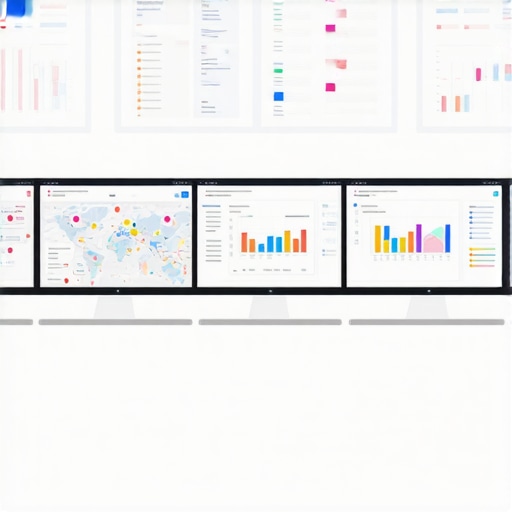
Having a clear, intuitive dashboard is game-changing. I designed mine to display key SEO KPIs, trending keywords, and map rankings at a glance, which accelerates decision-making. Resources like SEO KPI dashboards help me focus on what’s critical and avoid data fatigue. As algorithms evolve, dashboards must be adaptable to reflect new ranking signals and performance metrics.
Plan for Scalability and Future Trends
Looking ahead, automation and AI-driven analytics are poised to revolutionize local SEO management. Implementing scripts that automatically scrape rankings or flag unusual data points can save hours of manual work. According to expert insights, integrating machine learning models will soon become a standard practice for predictive analytics in maps and local SEO reports (source). I recommend experimenting with these tools now to gain a competitive edge.
How can I stay ahead with maintenance and tools?
Start by conducting a comprehensive audit using trusted tools like those mentioned and set a recurring schedule for reviews. Also, stay informed about new features from your analytics providers and industry updates—these often include enhancements that improve reliability. Remember, maintaining data accuracy isn’t a one-time task but an ongoing process that evolves as your local markets do. To get started, try implementing automated alerts on ranking fluctuations—this small step can significantly enhance your data stability and your strategic confidence.
Three Pitfalls I Swore I’d Never Fall Into Again
One of the most eye-opening lessons I encountered was realizing how easily data can deceive, especially when relying solely on surface-level metrics. I once celebrated a surge in GMB views, only to find that foot traffic hadn’t increased at all. This taught me the importance of digging deeper—cross-verifying analytics with real-world interactions. It’s a stark reminder that your tracking tools are just part of the picture, and overconfidence in them can lead to misguided strategies.
Another difficult truth was recognizing that even the best tools have blind spots. A sudden drop in rankings didn’t always mean your efforts failed—it could be a glitch or a local algorithm shuffle. Learning to identify these anomalies before acting on them saved me from costly missteps. Trust but verify has become my mantra when analyzing maps and local SEO reports.
Lastly, I battled the temptation to set-and-forget. Data audits can feel tedious, but they’re vital. Regularly scheduled cross-references and manual spot checks transformed my approach, turning reactive fixes into proactive improvements. This commitment to routine maintenance proved that consistent vigilance is the cornerstone of sustained local search success.
Tools That Changed My Approach to Local SEO
If you’re serious about mastering maps analytics and GMB performance reports, certain tools have been game-changers for me. The Ultimate Ranking Tracker provides real-time data and cross-verification features, helping me catch discrepancies early. My go-to for in-depth insights is Maps Analytics Explained, which demystifies complex data points and highlights actionable steps. To ensure data privacy and security, I also trust their privacy policy, which emphasizes transparency in data collection and handling. These tools have empowered me to make smarter, data-driven decisions, and I highly recommend them for anyone looking to sharpen their local SEO edge.
Fuel Your Growth With Passionate Persistence
The journey through maps analytics and local SEO metrics is ongoing, but it’s also incredibly rewarding. Remember, every bit of data—whether it confirms your assumptions or challenges them—is an opportunity to learn and adapt. Approach your analytics with curiosity, patience, and a willingness to improve. The path to higher local rankings and better visibility isn’t a sprint but a marathon—nurtured by steady effort and a keen eye for accuracy. Keep your tools sharp, your routine disciplined, and your mindset open to growth. Your next big breakthrough could be just around the corner; are you ready to seize it?
What’s the biggest lesson you’ve learned from analyzing your maps and local SEO reports? Share your experiences below—I’d love to hear them!
,

![5 Ranking Tracker Glitches Hurting Your 2026 Local Reach [Fix]](https://localseoreport.com/wp-content/uploads/2026/02/5-Ranking-Tracker-Glitches-Hurting-Your-2026-Local-Reach-Fix.jpeg)