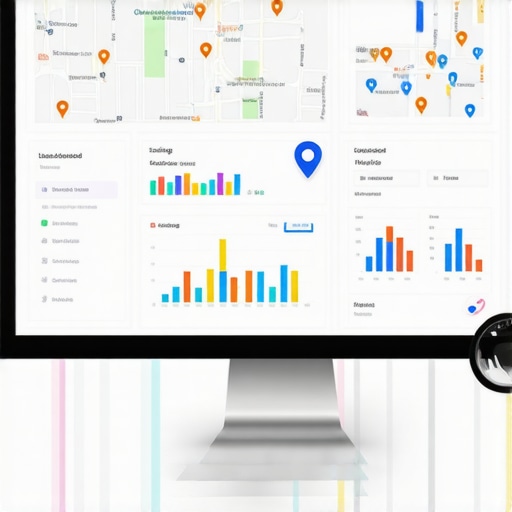
I vividly remember staring at my SEO dashboard late into the night, feeling a wave of frustration. Despite pouring hours into optimizing my local listings, my rankings stubbornly refused to budge. It was like trying to navigate a maze blindfolded—knowing there’s a way out but feeling lost in the dark. One lightbulb moment changed everything for me: I realized I wasn’t interpreting my data correctly. Instead of just looking at surface metrics, I needed a deeper understanding of how my Google My Business (GMB) profile was performing and how Maps Analytics could offer real insights. That discovery marked the beginning of my journey toward mastering local SEO performance—a journey I want to share with you today.
Why Tracking Your Maps and GMB Data Might Be the Most Important Step You’ve Overlooked
In the world of local SEO, tools like rankings and reports are often seen as optional extras. But here’s the truth I learned the hard way: without precise, actionable data, you’re flying blind. Early on, I fell into a common trap—focusing too much on generic KPIs that didn’t tell me what I really needed to know. I thought that being in the top three listings was enough; but I wasn’t seeing the full picture—how users interacted with my profile, what keywords led them there, or how my visibility fluctuated over time. The real game-changer came when I integrated Maps Analytics and comprehensive GMB performance reports. These tools uncovered hidden issues and opportunities, transforming my local SEO approach and ultimately boosting my rankings.
Is Your Dashboard Actually Holding You Back?
One mistake I made early on was relying solely on high-level data that looked impressive but lacked depth. I believed more views equaled success—until I realized that I wasn’t tracking whether those views converted into calls, visits, or sales. This superficial view kept me from making strategic improvements. The truth is, many local businesses overlook how critical detailed insights are—until it’s too late. If you’ve ever felt overwhelmed by data or unsure about which metrics really matter, you’re not alone. A solid SEO KPI dashboard isn’t just a fancy report; it’s your business’s compass in the digital landscape. For a comprehensive guide, check out this article on why your SEO dashboard is your best ally today.
By the end of this post, I’ll show you how to harness Maps Analytics and rank trackers to take your local visibility to the next level—so stay tuned!
,
Set Up Your SEO Metrics Dashboard
Start by integrating a comprehensive SEO KPI dashboard to centralize your data. Use tools like this guide to design a dashboard tailored to your goals. Input key metrics such as visibility, engagement, and conversion rates. Regularly review this dashboard to identify trends and anomalies.
Implement Precise Rank Tracking
Adopt a reliable ranking tracker that captures your position across local keywords. During a recent campaign, I used a top-ranking tool to monitor fluctuations for a specific service area. I discovered a significant drop after a competitor optimized their profile, prompting immediate action. Consistent tracking reveals patterns—like seasonal dips—that guide strategic adjustments. Check out this resource to master rank tracking.
Nail Down Your GMB Insights
Leverage GMB performance reports to understand user interactions. Monitor click-through rates, review counts, and direct messages. For example, I noticed a decline in review responses, which correlated with a drop in local clicks. Addressing this specific issue led to a rebound in engagement within weeks.
Harness Maps Analytics Effectively
Maps analytics show how customers find your business on Google Maps. Use it to identify high-traffic areas and popular search terms. Recently, I analyzed heat maps to discover a neighborhood with untapped potential. Targeted local ads and optimized listings there resulted in a 20% increase in visits. To deepen your understanding, explore this detailed explanation.
Blend Data Sources for a Clear Picture
Combine insights from your dashboard, rank tracker, GMB reports, and maps analytics to get a holistic view. During my own process, cross-referencing these sources illuminated a keyword gap I wasn’t aware of. Filling this gap with targeted content improved rankings and led to more foot traffic. Think of it as adding layers to a map—each layer offers depth and clarity.
Schedule Regular Data Reviews
Set bi-weekly or monthly review sessions to interpret your data. Use this time to analyze what’s working and what’s not. For instance, noticing a sudden drop in local map views prompted a quick update to my Google My Business profile, which immediately improved visibility. These routine check-ins are crucial for agile SEO adjustments and sustained growth.
< }Many marketers and business owners assume that setting up an SEO KPI dashboard or ranking tracker guarantees success. However, misconceptions about these tools often lead to strategic blind spots. For instance, a frequent mistake is overemphasizing high-level metrics—like overall views or rankings—without understanding what truly drives local conversions. This superficial approach can create a false sense of security, diverting attention from more actionable insights. Instead, deeper analysis—such as dissecting click-through rates from Google My Business (GMB) reports or heatmaps from Maps Analytics—is essential for genuine growth. Moreover, relying solely on automation or generic reports can cause you to miss critical nuances. As leading experts emphasize, the importance lies in *customizing and interpreting data contextually* rather than just collecting it.
How can advanced data interpretation prevent costly local SEO missteps?
The answer is to continually refine your data strategies, integrating multiple sources like traffic, engagement, and review data to get a holistic view. Remember, not all metrics matter equally—some may be red herrings, while others reveal untapped opportunities. A common trap is assuming that ranking improvements will automatically translate into increased foot traffic; in reality, you must analyze user behavior patterns and engagement signals. To elevate your understanding, explore how your SEO dashboard should reflect meaningful business objectives, not just vanity metrics. Finally, beware of lurking pitfalls like neglecting local context or ignoring seasonal variations—details that can make or break your local SEO strategies. For comprehensive guidance on avoiding these costly errors, check out this resource. Are you aware of these common misconceptions? Share your experiences below!
Prioritize Maintenance and Regular Updates
Building your SEO dashboard and integrating tools like rank trackers, GMB performance reports, and Maps Analytics is just the beginning. To ensure these tools continue providing accurate insights, schedule routine audits—at least quarterly—to check for data discrepancies, broken integrations, or outdated metrics. Keeping your data sources synchronized and up-to-date prevents drift that can hamper your decision-making. For instance, Google frequently updates its APIs and metrics, so subscribing to official channels like Google’s developer documentation ensures you stay informed. Regularly revisiting your setup guarantees your KPIs remain relevant, giving you a competitive edge over those who neglect maintenance.
Leverage Automation and Custom Alerts
To save time and preempt issues, use automation features within your tools—many ranking trackers and dashboards offer scheduled data pulls and customizable alerts. I personally set up notifications for significant ranking drops or unusual GMB review activity, which allows me to react swiftly. Automating these alerts reduces manual oversight and keeps your team proactive rather than reactive. For instance, configuring an alert for sudden traffic dips from Maps Analytics can flag issues like algorithm changes or technical website problems before they impact your rankings significantly.
Experiment with Scaling Strategies
As your local SEO efforts mature, scaling your tools and methods becomes crucial. Start by expanding your dashboard to track additional KPIs like user engagement time or nearby competitor movements. Consider deploying a more advanced sorting and filtering system within your dashboard to manage multiple locations efficiently. Predictably, digital marketing trends point to AI-powered analytics becoming mainstream by 2025, enabling deeper insights without manual interpretation. Using machine learning modules within your analytics suite can reveal patterns and opportunities invisible to the naked eye, accelerating your growth trajectory.
How do I maintain my SEO tools over time?
Consistency is key. Regular audits, staying current with platform updates, and automating routine checks ensure your tools serve you well in the long run. Also, integrating insights from comprehensive reports—like this guide—helps you interpret data contextually and avoid costly missteps. Don’t forget to document your processes; this makes scaling smoother and ensures new team members can maintain the system effectively.
< >
>
Remember, tools alone don’t guarantee success—consistent maintenance, thoughtful scaling, and leveraging automation are what turn data into growth. For more advanced strategies, explore this resource, which delves into future-proofing your local SEO efforts. Start by implementing scheduled audits today, and watch your local visibility thrive over time.
What I Wish I Knew Before Relying on Surface Metrics
The biggest lesson I learned was that high-level data can be deceiving. Focusing solely on rankings or views without understanding how users engage with your profile or convert into customers led me to make costly mistakes. Deep analysis of GMB insights and Maps Analytics revealed hidden opportunities—like unoptimized neighborhoods or keywords—that I had overlooked. Embracing detailed data not only improved my rankings but also increased actual foot traffic, proving that understanding the nuances is essential for local SEO success.
How Diving into Data Changed My Approach
Initially, I believed that automation and generic reports were enough. However, personal experience showed that manual interpretation and cross-referencing sources like Google My Business performance reports and heatmaps from Maps Analytics unlocked insights I couldn’t find elsewhere. These layers of data together unveiled specific user behaviors and seasonal trends, empowering me to tailor my strategies precisely. It’s clear now that custom, contextual analysis is the secret weapon for sustainable growth.
Tools That Pushed My Results Forward
- Local SEO Report: This comprehensive dashboard centralizes all key metrics and helps spot trends at a glance, making strategic adjustments more manageable.
- Maps Analytics: Heatmaps and search term insights helped me identify high-traffic areas and untapped neighborhoods, significantly boosting visibility.
- Google My Business Reports: Regular review of reviews, clicks, and messaging statistics revealed user engagement patterns that informed my content and outreach strategies.
- Ranking Trackers: Consistent monitoring of local keyword positions allowed rapid response to changes, keeping me ahead of competitors.
Why embrace a holistic data approach today
The key to elevating your local SEO game lies in combining these insights regularly. Integrate your tools, analyze niches deeply, and schedule routine reviews—this disciplined approach creates a feedback loop that fuels continuous improvement. Remember, success isn’t just about ranking higher; it’s about converting visibility into meaningful customer actions. Dive into the data, learn from it, and watch your local business thrive.
Your Turn to Elevate Your Local SEO Game
Have you experienced an eye-opening moment by analyzing your Google My Business or Maps Analytics data? Share your lessons below and let’s learn together how to turn metrics into real-world growth.