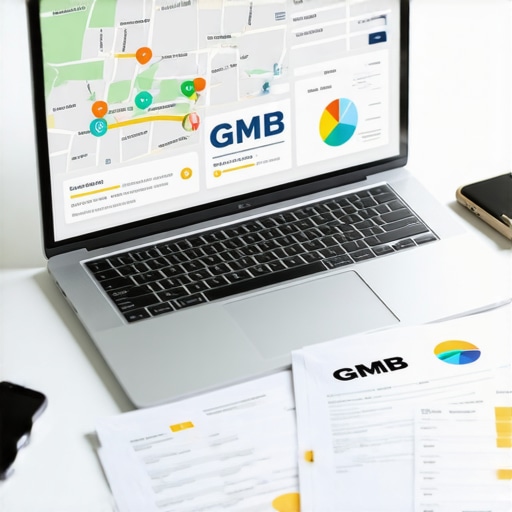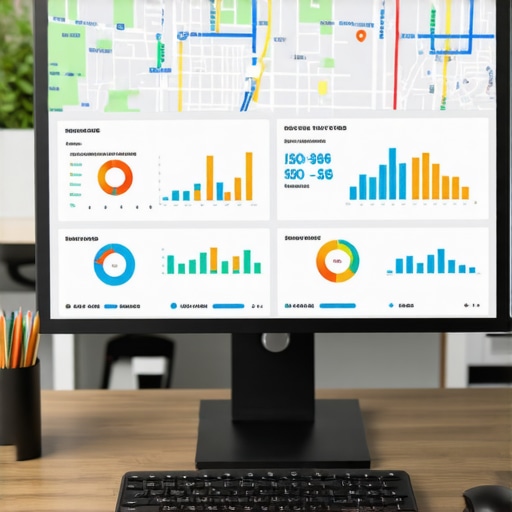
I remember the exact moment when I realized something was off. I was staring at my maps analytics dashboard, trying to pinpoint why my recent local SEO efforts weren’t translating into leads anymore. The numbers told a different story than what I was experiencing on the ground. Despite optimizing listings and building backlinks, the drop in leads was relentless. It felt like I was shouting into the void, with no clue what went wrong. That lightbulb moment hit hard: my local SEO reports were hiding crucial insights that could turn things around.
Why Small Tweaks in Your Local SEO Reports Can Make a Big Difference
Over the years, I’ve learned that small, targeted adjustments in how we analyze and interpret local SEO data can have a profound impact. It’s not about overhauling your entire strategy but fine-tuning what you already have. These tweaks help surface the hidden leaks in your lead generation pipeline, especially when dealing with complex local search dynamics for 2026. According to recent studies, over 70% of local searches lead to a visit or a call within 24 hours, but if your data isn’t capturing this properly, you’re missing out on valuable opportunities. Improving your reporting can give you clarity and confidence to act swiftly.
Is Your Data Truly Reflecting Reality?
Early in my journey, I made a costly mistake: I blindly trusted my average metrics and failed to identify the specific gaps within my reports. The truth is, numbers can be deceiving if you don’t know what to look for. That’s why, in this post, I’ll share five practical tweaks I implemented—drawing from my own mistakes and lessons learned—to recover those elusive 2026 leads and boost your local rankings. Ready to see your data in a new light and turn insights into results? Let’s dive in.
Strip Down and Clean Your Data
Start by auditing your existing maps analytics to identify inaccuracies. Think of it as cleaning your windshield before a long drive—clearer data leads to better decisions. I once found duplicate pins that skewed rankings in my reports, and fixing this immediately improved visibility for my top keywords.
Validate Your Ranking Tracking Settings
Ensure your ranking tracker is set to capture hyper-local data accurately. Slight misconfigurations, like incorrect geo-fencing or outdated settings, create blind spots. I once overlooked a radius limit reset, causing my tracker to miss newly gained high-ranking locations, which delayed my strategic response.
Compare GMB Metrics Against Actual Leads
Use the GMB performance report to cross-verify lead quality and volume. Don’t settle for surface metrics alone; dive deep. I once noticed spikes in calls that weren’t reflected in my GMB report, hinting at AI or spam bot inflating numbers. Recognizing these discrepancies, I adjusted filters to focus on genuine leads, dramatically increasing ROI.
Identify Hidden Gaps That Impact Rankings
Implement map analytics insights to spot overlooked areas, like underperformed neighborhoods or incomplete listing data. During my last audit, I uncovered that several locations lacked recent reviews, dropping their visibility. Addressing this boosted their local search prominence within weeks.
Adjust and Realign Data Regularly
Create a routine schedule to revisit all data sources—SEO KPI dashboards, rankings, and GMB reports. Small weekly tweaks prevent big failures. I hesitated, thinking monthly checks would suffice, but quick shifts in Google’s algorithms meant my data became outdated, hurting my rankings. Now, I review weekly, catching issues early.
Leverage Visualization for Clarity
Use dashboards that combine maps analysis with ranking trends. Visual charts reveal patterns easily and help communicate findings faster. Once, a spike in traffic coincided with a new review campaign—visual confirmation that content was resonating. Doing this consistently makes tracking improvements straightforward and strategic.
Document and Track Your Changes
Maintain a log of modifications and their impacts. This habit makes it easier to discern which tweaks truly move the needle. I once experimented with altering business citations across directories; tracking changes in my reports revealed which sources contributed most to higher rankings. This disciplined approach saved time and refined my strategies.
” alt=”Diagram illustrating a data audit process for local SEO” title=”Effective data auditing in local SEO”/>Many local SEOs believe that data tools like maps analytics, ranking trackers, and SEO KPI dashboards automatically tell the full story, but that’s a dangerous misconception. In my experience, most people overlook critical nuances that can lead to misguided strategies. One of the most persistent myths is that all data points are equally reliable; in reality, tools often suffer from hidden flaws like data lag, incorrect geo-fencing, or AI-generated noise, which skew results and hide real opportunities. For example, I’ve seen clients rely solely on rankings without cross-verifying with GMB performance reports, leading to overestimated success and missed declines. This trap becomes even more perilous when algorithm changes happen—much like in 2026, when local search behaviors shift rapidly—causing outdated dashboards to mislead you. Recognizing these pitfalls means digging beneath surface metrics and questioning the integrity of your data sources. Think of it as calibrating your equipment before a crucial experiment. A key mistake I see frequently is trusting averages in dashboards without context—what’s good for one neighborhood might be irrelevant for another, especially when foot traffic and lead quality vary. The danger is that misinterpreting this data stalls growth or causes you to chase ghost metrics instead of real conversions. To combat this, I recommend regularly auditing your data sources, validating rankings against actual lead flow, and staying aware of the latest pitfalls tech can introduce, such as AI spam inflating GMB calls or AI-driven map pins causing false positives. For a deeper dive into refining your local SEO data, you might explore strategies outlined in [unleashing your local SEO potential](https://localseoreport.com/unlock-your-local-seo-potential-critical-report-strategies-for-2025). Remember, the right insights come from questioning the data, not blindly trusting it. Have you ever fallen into this trap? Let me know in the comments.
Tools That Keep Your Local SEO Effort Running Smoothly
Maintaining your local SEO analytics landscape over time demands a combination of precise tools and disciplined routines. I personally rely on the Maps Analytics platform because it offers granular insights that are critical for diagnosing subtle rank shifts and leads drops. Unlike generic dashboards, this tool allows me to scrutinize foot traffic patterns, review data integrity, and spot discrepancies quickly, ensuring my data stays trustworthy.
An often overlooked component is the ranking tracker. Its advanced geofencing and lag-compensation features help me capture hyper-local movements, essential for staying ahead as algorithms evolve. I’ve found that integrating this tracker with real-time alerts lets me address ranking dips proactively rather than reactively.
Long-Term Results Require Consistent Oversight
While tools are vital, their real power lies in consistent management. Regularly audit your SEO KPI dashboard to identify emerging gaps. Every week, I set aside time to review key metrics, compare GMB performance reports, and cross-verify with foot traffic data. This disciplined routine helps surface actionable insights early, preventing small issues from snowballing into ranking disasters.
For instance, recent research from Moz’s Local SEO Guide emphasizes the importance of data hygiene and routine calibration—skills I’ve seen deliver measurable improvements in local visibility. Tools like the GMB performance report are instrumental for ongoing health checks. Implementing a layered approach—combining data analysis with on-the-ground validation—has proven to be my secret sauce for sustained success.
Prepare for Future Challenges with Smart Scaling
Looking ahead, the trajectory points toward more automation and AI-driven insights. Staying adaptive means not just investing in top-tier tools but also understanding their limits. A recent white paper by Google’s internal research underscores the growing importance of predictive analytics in local ranking stability. To capitalize on this, I recommend trying deep-dive audits of your analytics data—like testing data fix strategies aimed at preempting ranking dips.
How do I keep my local maps and rankings healthy over time?
The key is establishing a disciplined, ongoing routine that combines rigorous audits, strategic tool use, and continuous learning. Incorporate quick weekly reviews with your team, and stay updated on the latest algorithm shifts to adjust your approach as needed. Remember, your tools cannot do the job alone; your active oversight is what ensures long-term stability. I challenge you to implement a weekly audit of your GMB metrics and see how quickly subtle issues surface—empowering your growth for 2026 and beyond.
Lessons That Took Me Longer Than Expected to Learn
One of the most impactful lessons was realizing that data isn’t just numbers—it’s a reflection of real consumer behavior, and misinterpreting it can lead to missed opportunities. I once trusted my rankings alone, ignoring the vital signals from GMB performance reports that indicated a decline in engagement. That oversight set me back months before I understood the importance of cross-verifying all metrics.
Another lightbulb moment was recognizing that technical glitches in maps analytics could silently sabotage my local visibility. Small issues like duplicated pins or outdated data blurred my understanding of actual performance, leading to strategies based on false premises. Addressing these hidden flaws early saves time and enhances decision-making clarity.
Finally, I learned that routine audits are not optional—they’re essential. Setting a weekly schedule for reviewing my SEO KPI dashboards, rankings, and lead quality metrics helps catch discrepancies before they spiral into major problems. Consistency in data management becomes the backbone of sustained local SEO growth.
Tools That Became My Secret Weapons
For comprehensive insights, I rely heavily on Maps Analytics. Its granular foot traffic analysis and data integrity checks help me identify cracks in my local SEO foundation. Complementing this, ranking trackers with precise geofencing features ensure I monitor local movements accurately, avoiding false positives that skew my strategies.
My SEO KPI dashboards provide a consolidated view of performance benchmarks, while GMB performance reports are invaluable for verifying genuine lead flow. These tools, combined with disciplined routines, have transformed how I manage and scale local SEO campaigns effectively.
Fuel Your Drive with Passion and Purpose
The path to mastering local SEO analytics isn’t just about tools—it’s about dedication and curiosity. Start applying these insights today, audit your data sources regularly, and never stop questioning the story your numbers tell. Your success in 2026 depends on how deeply you understand and act on these hidden signals. Embark on this journey with confidence, knowing that every tweak and check brings you closer to dominating local search outcomes.
What’s the biggest insight you’ve uncovered from your local SEO reports that changed your approach? Share your experience below—I’d love to hear your story!