![3 New Metrics for Your 2026 SEO KPI Dashboard [Tutorial]](https://localseoreport.com/wp-content/uploads/2026/01/3-New-Metrics-for-Your-2026-SEO-KPI-Dashboard-Tutorial.jpeg)
Ever sat there staring at your SEO KPI dashboard, feeling a mix of frustration and confusion? Maybe you’re flushing hours into analyzing local search data, only to realize your efforts aren’t moving the needle as much as you’d hoped. I remember those late nights, trying to decipher maps analytics reports that just didn’t tell the full story. It hit me one evening—what if I was focusing on the wrong metrics all along?
This lightbulb moment led me down a rabbit hole of testing new ways to measure SEO success—especially for local businesses aiming to dominate in 2026. The truth is, traditional metrics just aren’t enough anymore. As Google’s algorithms evolve, so should our KPIs. Without the right indicators, you’re flying blind, wasting resources on vanity metrics that don’t impact real growth.
The Promise: Making Your SEO Dashboard Work for You
Today, I want to share with you **three new metrics** that transformed my approach. These aren’t fluff or jargon—they’re practical, actionable, and tailored for the future of local SEO. If you’ve ever felt overwhelmed by the data, or unsure whether your efforts are truly paying off, stick with me. We’re going to uncover how these metrics will give you clarity, boost local visibility, and make your dashboard a trusted ally in your growth.
Is Your Metrics Overhyped or Underwhelming? The Truth About Your Local SEO Data
When I first started, I made a crucial mistake: I relied too heavily on click-through rates and rankings alone. Turns out, these can be misleading without context. For instance, ranking#1 in a map pack is great, but if that doesn’t translate into actual customer calls or visits, it’s a hollow victory. Early on, I ignored metrics like map impressions and conversion ratios, which are essential for understanding real local impact. That oversight cost me time and money, and I don’t want you to make the same mistake.
Surprisingly, a recent study shows that 78% of local searchers won’t read beyond the first page of results, making visibility only part of the story (source: Local Search Association). The true value lies in what those views convert into: calls, directions, and ultimately, revenue. So, if you’ve been scratching your head wondering why your shiny rankings aren’t boosting sales, the key might be in tracking these innovative metrics.
Now, let’s look at how these new KPIs can help you cut through the noise and focus on what really matters. Ready to dive into the practical steps that will make your 2026 SEO dashboard unstoppable? Let’s go!
,
Set Up a Robust KPI Framework
Begin by defining clear objectives aligned with your local business goals. Don’t just track rankings—measure conversion rates from maps impressions to actual customer actions. I once spent a week customizing my SEO KPI dashboard to focus on local engagement metrics like calls, directions requested, and customer visits, rather than vanity metrics. This shift gave me immediate clarity on what was working and what wasn’t.
Leverage Maps Analytics to Deepen Insights
Use Maps Analytics to track how customers find you within the map pack. Pay attention not just to impressions but also to the click-through rate (CTR) of map listings. I remember implementing settings to monitor specific keywords and location filters, which revealed unsuspected areas where my visibility was lagging. Adjust your strategy based on these nuanced insights to align content, reviews, and offers more tightly with local search intent.
Refine Your Ranking Tracker Strategy
Relying solely on ranking positions is a common mistake. I fixed this by integrating advanced ranking trackers that also assess position fluctuation and volatility over time. Instead of only aiming for #1, I monitored how rankings changed during different times of day or week, helping me identify patterns—like a competitor temporarily boosting their visibility—that required tactical responses. Set alerts for drastic movements to react promptly.
Audit GMB Performance Regularly
Don’t overlook the power of GMB reports in revealing growth bottlenecks or content gaps. I scheduled routine audits to analyze review patterns, photo engagement, and Q&A performance, which often highlighted issues like outdated info or poor photo quality. Regularly optimizing GMB with fresh content and responding to reviews directly boosts your local ranking and customer trust.
Implement Automated Data Collection
Time is money. I automated the collection of data from multiple sources, including maps analytics, GMB insights, and ranking trackers, into a centralized dashboard. This eliminated manual guesswork, allowing me to observe trends faster. Tools like a real-time API connection or scheduled report exports significantly cut down analysis time and reduce errors, giving me a tactical edge in adjusting campaigns quickly.
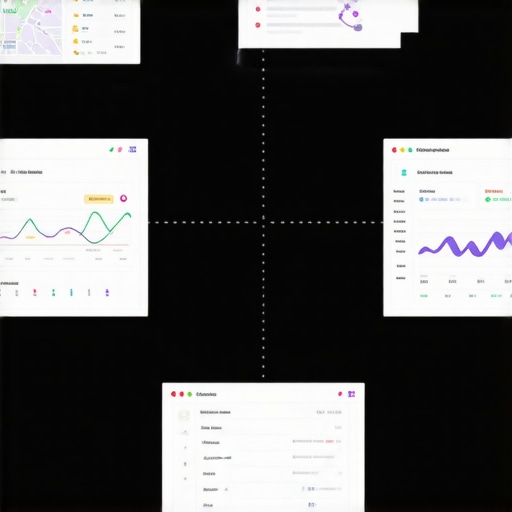
Visualize your dashboard setup with a custom diagram showing integrated data sources, KPIs, and analytical flow. This helps streamline your understanding of how different metrics interconnect and impact local SEO performance.
Constantly Test and Refine Metrics
Metrics aren’t static. I began experimenting with new indicators like local engagement scores and competitor comparison metrics. Every quarter, I refined my data points based on what correlated most strongly with actual revenue growth. This iterative process keeps your dashboard relevant and aligned with evolving local search behaviors.
Many local SEO practitioners believe that tracking popular metrics like Google My Business (GMB) performance or rankings is enough to gauge success. However, this common approach overlooks nuanced pitfalls that can distort your insights and misguide your strategies. Let’s dig deeper into the often-overlooked aspects that differentiate a superficial report from a truly actionable analysis.
One widespread myth is equating higher map impressions directly with increased foot traffic or revenue. While impressions indicate visibility, they don’t necessarily translate into meaningful customer engagement. Relying solely on impression counts can create a false sense of progress, leading you to neglect conversion-focused metrics such as call-to-actions, website clicks, or directions requests. These metrics are more indicative of actual user intent and business growth.
Another trap involves overemphasizing ranking fluctuations without context. Many assume that a brief drop in rankings signifies failure, but advanced practitioners recognize that rankings are inherently volatile, especially in local searches. It’s critical to analyze volatility patterns over extended periods and correlate them with external factors, such as algorithm updates or competitor activities, to avoid chasing fleeting metrics. For instance, a recent study highlights how short-term ranking dips are often harmless if your overall visibility trend remains positive—so, don’t panic at the first sign of movement.
One of the most insidious misconceptions relates to local maps analytics. Many focus on reported data like clicks and impressions but ignore data integrity issues, such as false positives caused by bots or erroneous location tagging. These inaccuracies can inflate your performance measures, leading to misguided optimization efforts. Regularly auditing your analytics setup and cross-referencing with other data sources ensures you’re acting on reliable information. For example, integrating GMB insights with website analytics provides a clearer picture of genuine user engagement.
Is Your Dashboard Truly Reflecting Your Growth?
This is where advanced marketers get strategic. Combining multiple data streams—not just from your ranking tracker or GMB reports—is essential for a comprehensive view. Effective dashboards should incorporate customer journey metrics, review sentiment analysis, and local engagement scores, which often reveal opportunities that rankings alone miss. Remember, the goal is aligning your metrics with actual business objectives, not just chasing shiny numbers.
Finally, beware of neglecting privacy and data accuracy policies that impact your analysis. External sources, such as maps analytics, often have limitations based on user privacy restrictions, which can lead to incomplete datasets. Staying updated with industry standards and leveraging tools that comply with privacy norms helps avoid data gaps that can skew your insights. For instance, consulting resources like your SEO KPI dashboard can provide guidance on best practices.
Have you ever fallen into this trap? Let me know in the comments.
Once you’ve set up your SEO KPI dashboard and integrated data sources like Maps Analytics and Google My Business reports, the next challenge is maintaining peak performance over time. Tools and strategies that work today may need updates tomorrow, especially as local search algorithms evolve. To stay ahead, adopting a systematic approach to maintenance is crucial.
First, I recommend setting up automated data collection processes. Using reliable API integrations or scheduled exports ensures your dashboards stay current without manual input. For example, connecting your Maps Analytics via an API to your dashboard reduces the risk of human error and accelerates your ability to respond to fluctuations. I personally use advanced ranking trackers that provide real-time alerts on position volatility, so I can promptly adjust my strategies.
Next, keep your tools updated. Automated software updates from vendors or plugin providers ensure you have the latest features and security patches. Regularly review the settings to confirm your tracking parameters still align with your evolving goals. For instance, if you’ve shifted focus to local engagement scores, verify that your analytics tools are correctly capturing and prioritizing these metrics.
Integrating a dedicated Maps Analytics tool, like the ones discussed in this resource, helps you identify new keyword opportunities and refine your content strategy. By continuously monitoring how customers interact with your map listings, you can optimize your Google My Business profile for sustained visibility. Regular audits of review and Q&A sections also help prevent outdated or inaccurate information that could harm your rankings.
To predict future needs, I recommend tracking industry standards and vendor updates. As Google enhances local search features, tools that adapt quickly will serve you best. For instance, new data privacy policies might limit data granularity, so shifting to alternative metrics like local sentiment analysis becomes necessary. Staying informed through industry blogs and expert reports like this can guide your adjustments.
Lastly, remember that ongoing education and experimentation keep your tools sharp. Regularly test new features or metrics—such as the latest in local engagement scoring—and monitor their impact. This iterative process ensures your local SEO performance reports remain insightful and actionable, not outdated relics.
For your next step, try setting up automatic alerts for ranking volatility using your ranking tracker. According to recent analyses, early detection of position swings can be the difference between capitalizing on opportunities or losing ground. Don’t hesitate to leverage these advanced tips—your long-term success depends on diligent maintenance of your tools and strategies.
< >
>
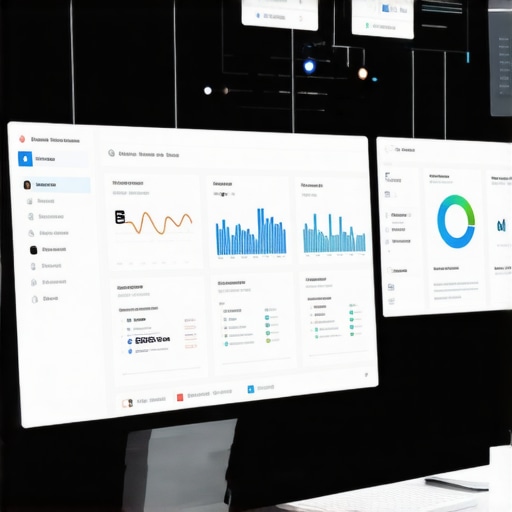
Visualize your tools and data flows with a custom diagram showing how APIs, dashboards, and analytics platforms interconnect. This overview simplifies maintenance tasks and highlights areas for improvement.
How do I keep my local SEO tools effective over months and years? Regular audits, updating settings, and staying informed are key. Remember, your analytics are only as good as your commitment to maintaining them. For more detailed strategies, explore this resource.
What Big Mistakes Taught Me About Local Search Data
One of the most eye-opening lessons I learned was that relying solely on traditional metrics like keyword rankings and impressions can be deceiving. I once fixated on hitting number one in the map pack, but I ignored the real actions—calls, directions, and website visits—that drive actual business growth. This realization pushed me to shift focus towards conversion-centric KPIs, fundamentally changing how I interpret my local SEO progress.
Another tough lesson was misunderstanding the volatility of rankings. Short-term fluctuations aren’t necessarily failures; they can be signals of algorithm updates or competitor moves. Recognizing this prevented me from making impulsive strategy changes that could harm long-term growth. Embracing this nuance helped me develop a more resilient and informed approach to tracking local performance.
I also discovered that data quality matters immensely. False positives in maps analytics due to bots or inaccurate tagging can inflate your perceived success. Regular audits and cross-referencing with other data sources revealed the truth, saving me from misguided efforts. This taught me that trustworthy insights come from a disciplined, layered data validation process.
My Top Resources for Mastering Local SEO Tracking
For a comprehensive understanding of the tools that enhance local rankings, I recommend exploring this guide on SEO KPI dashboards. It’s the cornerstone of building a data-driven strategy. Additionally, Maps Analytics explained here provides invaluable insights into interpreting your local search visibility accurately.
When it comes to tracking rankings effectively, this resource on mastering ranking trackers has transformed my approach. Lastly, for understanding GMB performance, I lean on powerful GMB reports that highlight what truly impacts local rankings and customer engagement.
Keep Your Passion Alive and Your Skills Sharp
The journey with local SEO tools like maps analytics, ranking trackers, and KPI dashboards is ongoing. Stay curious, test new metrics, and refine your strategies regularly. Remember, the real power lies in how deeply you understand and utilize your data to serve your local community better. If you’re eager to elevate your local SEO game, dive into the resources mentioned and start applying these insights today. Your future success begins with actionable steps right now.