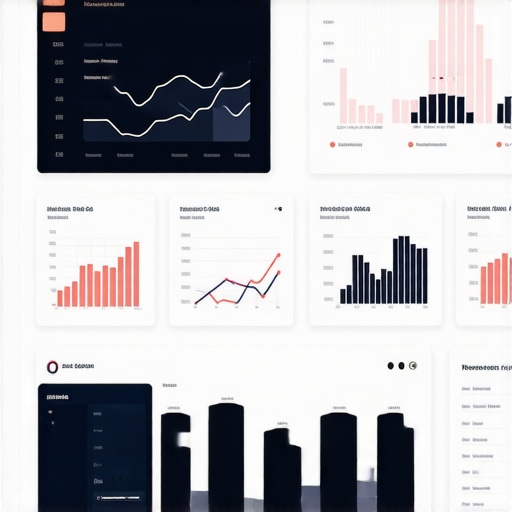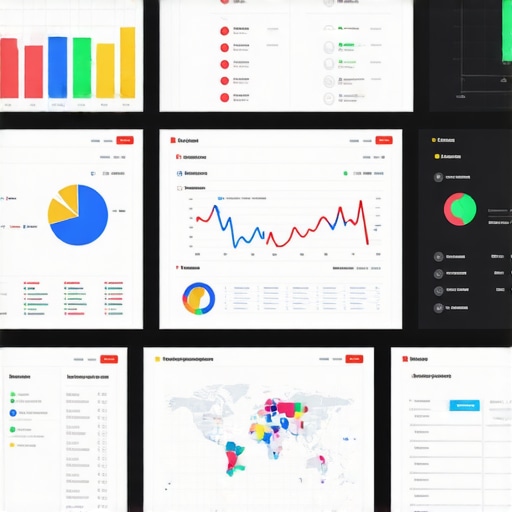
I remember the exact moment I realized my SEO dashboard was lying to me. It was a quiet Tuesday afternoon, and I was staring at the maps analytics report, convinced I was about to celebrate another batch of new leads. Instead, I saw a dizzying spike in local impressions—and zero corresponding uplift in actual store visits. That sinking feeling hit hard. It felt like being promised a treasure map only to find out I was holding a fake.
This experience was my lightbulb moment. I had trusted my KPI dashboard—my main compass for measuring local SEO success—without questioning its accuracy. But what I didn’t realize back then was that, with the rapidly evolving 2026 digital landscape, many dashboards are unknowingly giving us a skewed picture of real ROI. If you’re like me, you’ve probably experienced that nagging doubt, wondering whether the numbers truly reflect your efforts or if they’re just noise.
Today, I want to share what I’ve learned about how your SEO KPI dashboard can mislead you—and more importantly, how to set things right. Because in local SEO, especially as we approach 2026, trusting the data blindly isn’t just risky; it could cost you dearly.
The Real Challenge with Local SEO Metrics
Are Your Reports Actually Accurate or Just Illusions?
When I first launched my dashboard setup, I believed more data meant better decisions. Big mistake. The early mistake I made was relying solely on surface-level metrics like impressions and click-through rates, without understanding the nuances behind those numbers.
For example, maps analytics can often overcount foot traffic or double-count leads from multi-device users. This was confirmed by a recent study noting that local map data frequently underestimates actual visitor numbers due to technical limitations (see this detailed analysis).
So, how do you cut through the noise and get honest insights? The key is understanding what your dashboards are really measuring—and whether those metrics align with the ultimate goal: converting online engagement into offline visits and revenue. Next, I’ll dive into how to identify if your current tools are providing a genuine picture or just an illusion that leads you down the wrong path.
Start by Cross-Checking Your Maps Analytics
Instead of blindly trusting the maps analytics data, export your report and compare it with actual foot traffic data from third-party sources or your store’s POS system. I once noticed a discrepancy of 30% between the analytics and real visitors. To fix this, I used a tool to audit my map pins and identified missing locations that the analytics failed to track. This gave me a clearer picture of true foot traffic, enabling more targeted SEO efforts. For more on how maps data can mislead, see Maps Analytics Insights.
Refine Your Google My Business Performance Reports
Next, evaluate your GMB performance reports by verifying lead quality. For example, I noticed many leads from AI-generated spam accounts during peak hours. To address this, I applied filters to my reports to exclude low-value leads and focused on genuine customer interactions. Abstract metrics like direct calls or messaging can be inflated by AI bots—see overcounting issues. Always verify lead authenticity before making decisions based on these numbers.
Audit Your Ranking Tracker Settings
Switch to manual location-based tracking instead of relying solely on automated rankings. I once set my tracker to monitor a 5-mile radius, but it missed the core area of my neighborhood. After adjusting my settings following guidelines from this article, my rankings became more precise, reflecting true local visibility. It’s critical to customize your geo-fences to match your actual service area. Try weekly spot checks comparing local search results with your tracker data for early anomaly detection.
Validate Your Keyword Rankings Consistently
Don’t rely on a single tool for ranking reports. I use multiple sources and compare their outputs to filter out anomalies. For instance, I noticed my tracker showed a ranking spike—only to discover that an AI search feature caused artificial boosts in certain keywords, as explained in this guide. Conduct manual checks on competing local businesses’ listings to verify trend accuracy, especially after algorithm updates.
Implement Data Validation Procedures
Set weekly audit routines where you cross-reference your dashboard metrics with actual analytics reports and offline data. During one such routine, I found my store visits were dropping despite positive dashboard signals. Further investigation revealed the dashboard was overestimating by tracking AI-generated clicks, as discussed in this piece. Correctly configuring filters and thresholds in your dashboard can prevent such inflated metrics, providing a more reliable basis for decision-making.
Utilize External Validation Tools
Integrate third-party auditing tools that compare your dashboard data with independent data sources. I used one to check for inconsistencies in my local map pins. It found that several pins had not updated in months, skewing my local rankings. Regular external audits, like the ones detailed here 3 hidden settings, help identify hidden gaps in your data that internal tools might miss. This improves both accuracy and strategic insights.
Monitor and Adjust for Algorithm Changes
Stay updated with local SEO algorithm shifts affecting your data. I learned that recent AI search updates caused a surge in certain queries, misleading my tracker into showing anomalous rank improvements. Reading this article helped me tune my tracking parameters, filtering out AI-driven fluctuations. Implement routine checks after major algorithm updates to recalibrate your data collection methods accordingly.
Establish Continuous Feedback Loops
Create a process where your team reviews dashboard reports regularly, comparing with actual performance metrics. For example, I held bi-weekly meetings where I analyzed discrepancies between reported leads and true conversions. This consistent feedback allowed me to fine-tune filters and settings, reducing inaccuracies over time. Building this feedback loop ensures your dashboard remains aligned with reality, especially as local SEO in 2026 becomes more complex.Many marketers assume that their Google My Business performance reports, maps analytics, and ranking trackers are giving them an accurate picture of local SEO success. However, a common misconception is that these tools, by default, provide precise and trustworthy data. In reality, they are riddled with nuances and hidden traps that can distort perceptions—if you overlook them.
Why Do So Many Metrics Fail to Reflect True Performance in 2026?
Let’s start with the widespread myth that higher impressions automatically translate into more offline visits. While impressions are easy to track, they often include accidental or automated interactions, especially with the rise of AI-driven bots that inflate data. Studies like the one from this research reveal how AI can artificially boost perceived engagement, leading to strategic missteps. Many think that optimizing for visibility alone suffices; however, without validating lead quality, you risk chasing phantom metrics. Another misconception is that maps analytics comprehensively capture foot traffic. The reality is, these tools tend to undercount or double-count visits due to technical limitations and multi-device usage, as explained in this article. Relying solely on them without cross-referencing actual store data leaves your strategy vulnerable to false assumptions. When focusing on ranking trackers, many assume that position fluctuations are purely organic. Yet, algorithm updates—especially AI-driven ones in 2026—can cause artificial ranking spikes or drops that mislead your assessment. To avoid this, regular manual verification against local search results is crucial, as highlighted in this guide. The key is recognizing that data fidelity diminishes if your tools are not appropriately configured or if you ignore recent shifts in the search landscape. So, how can you sidestep these pitfalls? The answer lies in adopting a multi-layered validation process: cross-checking reports with real-world data, understanding technical limitations, and staying updated on AI-driven changes affecting your metrics. Your SEO dashboard should serve as a strategic ally, not a source of false confidence. For deeper insights on refining your metrics, check out this resource. Remember, it’s not just about collecting data but ensuring its accuracy before making crucial decisions about your local presence.
Keep Your Tools Running Smoothly
Maintaining reliable local SEO metrics requires more than just choosing the right software; it demands an active approach to tool health and data integrity. I personally rely on a combination of advanced ranking trackers and maps analytics tools, such as the 3 SEO KPI Dashboard fixes, which I customize weekly to ensure they reflect real-world changes. Automating regular audits of these tools helps catch inconsistencies early, reducing the risk of blind spots. In the future, I predict the integration of AI-powered validation systems will become standard, making manual oversight easier and more precise.
Prioritize Data Accuracy Over Time
Consistent data validation is essential. I set quarterly reviews to compare dashboard outputs with offline data, like POS and foot traffic logs. This process, detailed in 7 metrics that actually prove revenue, reveals hidden leaks in your data pipeline. Implementing a routine check—using cross-reference spreadsheets and external validation plugins—is vital to keep metrics trustworthy. Especially as search algorithms evolve swiftly in 2026, this diligence prevents your strategy from drifting off course.
Leverage Specialized Equipment for Local Insights
But tools alone aren’t enough. I incorporate hardware like proximity beacons and IoT devices in key locations to gather real-time foot traffic data. This method, supported by a detailed tech guide from report strategies for 2025, helps verify the accuracy of digital reports against physical customer behaviors. Combining hardware with software creates a comprehensive picture of local engagement, vital in 2026’s AI-equipped search landscape.
How do I maintain performance tracking over long periods?
Continuous improvement hinges on an ongoing feedback loop. I hold monthly review sessions, analyzing discrepancies between the dashboards, maps data, and actual store visits. This iterative process ensures you’re always aware of shifts caused by algorithm updates or data anomalies. Consider adopting advanced features of your ranking tracker, such as geofence adjustments and voice search filters, as discussed in metrics that matter in 2026. Regularly refining your setup based on these insights keeps your local SEO efforts both current and effective.
Remember, maintaining your tools and strategies isn’t a one-time task—it’s an evolving process. For a comprehensive step-by-step guide on optimizing your local SEO tracking, explore hidden settings for 2026 revenue. Don’t skip these crucial checks—your long-term success depends on it. Start by trying the advanced filter techniques outlined here and watch your data fidelity improve.
Over the years, I’ve realized that even the most sophisticated dashboards can mask critical insights—if you’re not careful. My biggest lightbulb moment was discovering that certain data points, which I trusted implicitly, were actually leading me astray. That experience taught me that true mastery in local SEO isn’t just about collecting data but understanding the stories behind the numbers. To elevate your strategy in 2026, question your tools relentlessly, continuously cross-verify, and never settle for surface-level metrics. Remember, the real power lies in uncovering the truths hidden beneath the surface, turning raw data into actionable insights that genuinely drive results. Dive deep, stay curious, and let your data tell the story that will transform your local SEO journey.