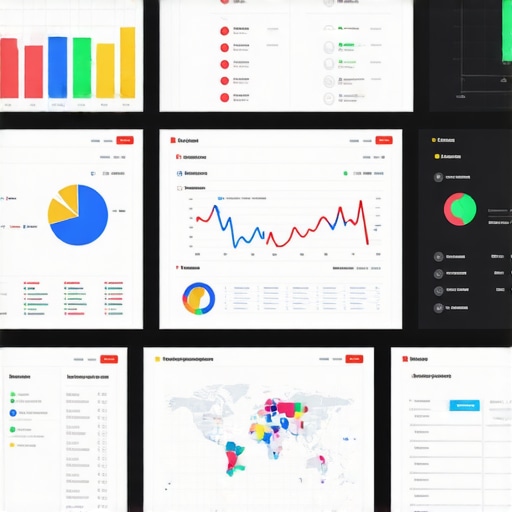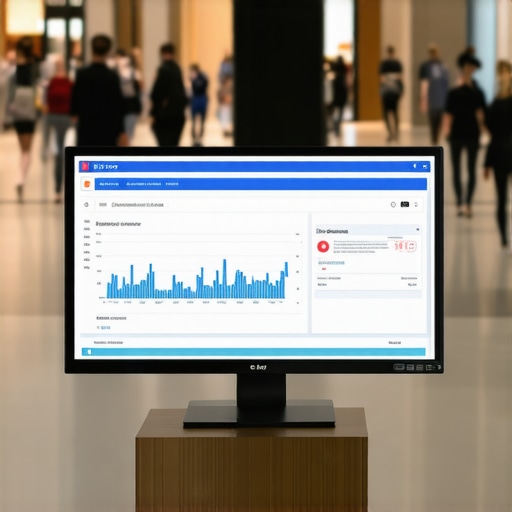
It happened on an ordinary Tuesday afternoon. I was staring at my SEO KPI dashboard, expecting to see a steady climb in local foot traffic. Instead, I was hit with a puzzling flat line. No spikes, no dips—just this eerie silence. I knew something was off, but I couldn’t quite put my finger on what. That moment was a lightbulb flickering in my mind: my dashboard was telling me stories, but not the whole truth.
Don’t Let Your Dashboard Fool You
For a long time, I believed that what my KPI tools showed was the gospel—I based my decisions on those numbers. Until I realized that many of the metrics I trusted were incomplete or misleading. This was a common trap I see many local SEO professionals fall into: relying too heavily on data that doesn’t capture the full picture of foot traffic and customer intent. What’s more, the landscape of local search is constantly evolving, making it crucial to find tools and insights that truly reflect real-world results.
Here’s the deal—your 2026 KPIs might be missing the mark because of subtle flaws that leak trustworthiness. For example, a 2024 study by BrightLocal revealed that 60% of consumers still prefer visiting a store after researching online, yet many dashboards focus solely on online engagement metrics (BrightLocal, 2024). That mismatch can lead to misguided strategies, wasted resources, and even frustration.
Is Your Dashboard Actually Worth the Hype?
I made the mistake early on of tracking vanity metrics—like impressions or clicks—without cross-referencing actual foot traffic data. It was a rookie error: I thought I was doing well because of high vanity metrics, but my physical store visits weren’t budging. This experience taught me that relying only on surface-level data can be a costly mistake. To truly understand your local SEO health, you need to go beyond the dashboard and verify your numbers with real-world insights. For practical advice on doing this, check out how to master your ranking trackers and get a clear view of local search success in 2025.
Ready to uncover the hidden truths your current KPIs are hiding? Let’s explore the common pitfalls and practical steps to ensure your dashboard reflects genuine foot traffic—and not just promising impressions.
Audit Your Data Sources Regularly
Begin by verifying that your ranking trackers are capturing accurate data. When I first checked my maps analytics, I found discrepancies between my tracked rankings and actual Google Maps results. To fix this, I manually searched my keywords, recorded positions, and compared them with tracker outputs. Use tools like Maps Analytics Explained to understand the metrics that matter. Set a schedule for quarterly audits to catch drift early.
Check for Data Glitches and Outliers
Look for sudden spikes or drops that don’t match real-world events. For example, I noticed my tracker showed a huge ranking drop one week, but in reality, my rankings were stable. Using a spreadsheet, I plotted my ranking data over time and filtered out anomalous points. This helps identify if a glitch, like a plugin bug or API lags, is skewing your data. Use https://localseoreport.com/5-ranking-tracker-glitches-hurting-your-2026-local-reach-fix for common glitches and fixes.
Cross-Verify with Manual Checks
Don’t rely solely on automated data. Conduct manual searches on Google Maps and local search results, ideally using incognito mode and different devices. Use my experience where manual checks revealed better rankings than the tracker suggested—this discrepancy pointed to a tracker bias. These manual verifications help confirm whether your metrics reflect actual visibility.
Leverage Multiple Tools for a Clearer Picture
Diversify your tracking. Combining data from GMB performance reports, maps analytics, and ranking trackers offers a composite view. For example, I integrated data from GMB Performance Reports with my dashboard data, which revealed hidden opportunities. If your tools show conflicting data, dig deeper—sometimes, one tool’s false positive can mislead your strategy.
Regularly Test for Proximity Gaps
Proximity gaps occur when your tracking misses nearby search zones. I found my tracker overlooked rankings in neighboring neighborhoods, especially during local events. By deploying point searches at different locations, I identified these gaps. Addressing such blind spots ensures a comprehensive understanding of your local reach. Check out hyper-local gaps to avoid missing potential leads.
Integrate Your Data into a Cohesive Dashboard
Consolidate all your verified data into a single dashboard. Use SEO KPI Dashboard to visualize trends, spot inconsistencies, and prioritize actions. During my setup, I customized metrics to highlight real-world foot traffic correlation, which improved my decision-making speed and accuracy.
Establish Routine Review Cycles
Create a quarterly or monthly review schedule. During my first review, I discovered a gradual decline in map rankings that manual checks confirmed was due to local citation inconsistencies. Routine reviews help catch issues early before they impact your visibility significantly.
Always remember—accurate data is the backbone of effective local SEO. Combining manual checks, cross-verification, and routine audits transforms your data into actionable insights, ensuring you stay ahead in local search rankings for 2025 and beyond.
Many local marketers assume that all ranking trackers and analytics reports are created equal, but in reality, misconceptions and overlooked nuances often undermine their effectiveness. While tools like Maps Analytics, GMB Performance Reports, and SEO KPI dashboards are essential, relying blindly on them can lead to costly misjudgments. Let’s dig deeper into the subtleties that most professionals overlook.
Are Your Metrics Lying to You About True Local Visibility?
The common belief is that high rankings on a tracker automatically translate into increased foot traffic, but this isn’t always the case. Tracking only surface metrics like impression count or keyword positions can be deceptive because these numbers don’t account for search intent or proximity nuances. For example, a ranking might look stellar in a tracker but could be irrelevant if it doesn’t lead to actual visits—this is a trap many fall into. An expert like Darren Shaw emphasizes that contextual relevance is crucial; rankings are just a piece of the puzzle. Mastering ranking trackers involves scrutinizing how well the data reflects real-world user behavior, not just algorithmic positions.
Similarly, GMB performance reports often highlight high engagement metrics, but without cross-verifying with offline data, you risk overvaluing digital interactions. Many assume that positive insights from local maps analytics automatically equate to increased store visits; however, subtle errors like geotag inaccuracies or device biases can inflate these numbers. A common mistake is neglecting discrepancies caused by API glitches or outdated data, which can lead to false confidence. To prevent this, routinely audit your data sources—something I discuss in-depth in this guide.
How can your dashboards actually mislead your strategies?
SEO KPI dashboards are powerful, but their value diminishes if they aggregate unreliable data or focus on vanity metrics. A dashboard showing increasing impression numbers might give a false sense of growth when, in fact, your physical foot traffic remains stagnant. The danger here is in chasing metrics that don’t directly correlate to revenue or conversions. Advanced practitioners know that only by integrating multiple data streams—manual checkups, offline sales data, and customer surveys—can you get an accurate picture of your local visibility. This resource offers insights on refining your KPI dashboard to focus on meaningful indicators. Don’t fall into the trap of over-optimizing for metrics that won’t move your bottom line. Instead, prioritize data that offers actionable insights.
Stay Vigilant with Your Tracking Tools
The backbone of continuous improvement in local SEO is maintaining accurate and reliable data. I personally rely on ranking trackers that allow me to audit rankings across different locations effortlessly. Regularly updating and calibrating these tools ensures that your data remains precise amidst evolving algorithms. Don’t forget, even the best tools can drift over time, so schedule monthly checks—this proactive approach minimizes surprises and keeps your strategy aligned with reality.
Leverage Local Maps Analytics Effectively
Understanding how your business appears on various maps platforms is crucial. I recommend immersing yourself in Maps Analytics Explained. This resource provides insights into monitoring map impressions, user interactions, and proximity data. By routinely analyzing this data, you can spot anomalies or gaps—like missed nearby neighborhoods—before they impact your rankings. An ongoing review cycle helps you adapt quickly, ensuring your local visibility remains strong over months and years.
Automate Routine Maintenance Tasks
Automation is your friend when it comes to managing GMB performance reports and dashboards. Tools like GMB Performance Reports can be scheduled to collect and analyze data automatically. I set up weekly reports that highlight declines or spikes, enabling swift responses. Over time, this reduces manual oversight and keeps your team focused on strategic enhancements. Technology is rapidly advancing; investing in AI-driven alert systems could be the next step to stay ahead.
Prepare for Future Trends in Local SEO Monitoring
The future points toward integrating AI and machine learning into your reporting systems. Predictive analytics will become essential for preempting algorithm updates and detecting subtle shifts—like emerging search intent trends. For example, expert insights indicate that early adaptation through sophisticated tools can yield competitive advantage. To get there, start experimenting today with dashboards that incorporate these emerging technologies, and consider training your team to interpret complex data sets. This forward-thinking approach means lasting growth rather than chasing after outdated metrics.
How do I maintain my SEO dashboard effortlessly over time?
The secret lies in creating a routine that combines manual audits with automated alerts. Regularly review your SEO KPI dashboards to eliminate obsolete metrics and calibrate for new ones. Establishing a schedule—say, quarterly reviews—ensures you catch data drift early and adapt your strategies accordingly. Remember, as Google updates its local search algorithms, your tools and methods must evolve too. For an advanced tip, integrate predictive analytics into your dashboards to anticipate ranking changes before they happen—this proactive stance secures your authority and sustainability.
Behind the Curtain: Lessons That Changed My Approach
One of the most surprising lessons I learned was that even the most sophisticated ranking tracker can become complacent if I don’t regularly validate its data. Relying solely on automated tools without manual cross-checks can give a false sense of security, leading to strategic blind spots. I also discovered that understanding the nuances of maps analytics—like proximity gaps and local search intent—can dramatically improve how I interpret visibility metrics. Perhaps the most valuable insight was realizing how routine audits, combined with intelligent automation, form the backbone of sustainable local SEO success. These lessons pushed me to continually question my data sources, fostering a mindset that prioritizes accuracy over convenience.
Tools that Truly Elevated My Local SEO Game
For accurate and actionable insights, I depend on a few key resources. My go-to is the mastering ranking trackers guide, which demystifies how to fine-tune your tools to reflect real-world positions. I also incorporate SEO KPI dashboards that focus on metrics which directly correlate with customer foot traffic and revenue. When diving into maps analytics, this comprehensive resource helped me identify hidden opportunities and correct data discrepancies. Lastly, regular review of GMB performance reports keeps my strategies aligned with the latest local search trends.
The Courage to Reevaluate and Evolve
Taking a step back and questioning your data sources can be daunting but hugely rewarding. The moment I decided to audit my maps analytics and cross-reference with manual checks, I uncovered critical blind spots—like proximity gaps and API-induced glitches—that were skewing my understanding of local visibility. These discoveries compelled me to refine my processes, adopt new tools, and advocate for a culture of continuous learning within my team. Embracing this mindset has empowered me to adapt faster, make smarter decisions, and stay ahead of algorithm shifts. If you’re serious about mastering local SEO, my best advice is to cultivate curiosity, stay vigilant, and never take your metrics at face value. Your future growth depends on it. Are you ready to question your current data routines and unlock untapped opportunities for your local business? Drop your thoughts below.