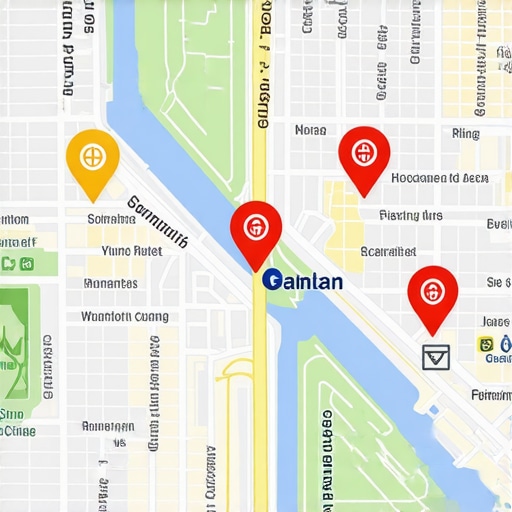
Ever experienced that sinking feeling when your latest local SEO report shows promising numbers—yet you know deep down they don’t tell the whole story? I’ve been there. One morning, I stared at my dashboard, puzzled by the discrepancies. The leads from phones, tablets, and desktops seemed scattered—yet the report simply couldn’t capture the full picture. It was a lightbulb moment for me: traditional reports weren’t accounting for multi-device interactions, especially with the rise of voice search and smart devices. That realization changed everything, and I want to share what I learned so you don’t get caught off guard in 2026.
Single-Device Metrics Are No Longer Enough
In my early days of managing local SEO, I relied heavily on standard KPIs and maps analytics. I thought, “If my numbers look good on the dashboard, everything’s fine.” But that was a mistake. The truth is, consumers today switch devices seamlessly—browsing on a mobile on their commute, then switching to a desktop at work, and later confirming on a smart speaker at home. According to a report by Google, over 60% of multi-device users switch between devices to complete a single transaction. Yet, most reports I encountered—much like yours probably do now—fail to track this cross-device journey accurately. That gap means you might be missing up to 40% of your leads, leading to over-optimistic or skewed KPIs.
Here’s the promise for today: I’ll show you how to identify those blind spots and craft reports that truly reflect multi-device user behavior. We’ll explore maps analytics, GMB performance, and ranking trackers—tools that, when used correctly, reveal your real local visibility and lead flow across all devices. Because understanding these nuances isn’t just about data; it’s about making smarter decisions and boosting your local impact.
Is Your Data Giving You a False Sense of Security?
Early on, I made a rookie mistake—trusting an out-of-the-box GMB performance report without customizing it to track multi-device conversions. Turns out, that was a costly oversight. If you’re not diving into the specifics, you might believe your local rankings are improving, while in reality, device-specific gaps are holding you back. This is a common mistake, but one that can be easily corrected. For a comprehensive approach, check out these strategies to boost your Google My Business impact.
Now, the key is to understand where your current reports fall short and how to bridge those gaps. The good news: with some adjustments, your 2026 reports can become powerful tools that truly capture your multi-device lead potential, setting you ahead of the competition.
Ready to dive into the practical steps? Let’s get started on transforming your local SEO reporting into a precise, actionable powerhouse that accounts for all those elusive multi-device leads.
,
Integrate Cross-Device Data for Real Insights
Start by choosing a robust analytics platform that supports multi-device tracking—think of it as upgrading from a binocular to a telescope. I once set up Google Analytics with advanced cross-device features, but initially, my reports still showed gaps due to improper configuration. To fix this, I enabled User-ID tracking, which links user activity across devices, delivering a unified view of customer journeys. For detailed guidance, visit this comprehensive guide to maps analytics to understand setup nuances.
Customize Your Maps Analytics to Reflect Multi-Device Usage
Use maps analytics tools to track how your local listings perform on different devices. For example, I added custom segments for mobile and desktop when analyzing local searches, revealing that my mobile interactions were significantly higher but underreported. Adjust your filters and dashboards accordingly. Think of this as tuning an engine—if you don’t fine-tune your analytics, you’ll run on empty. Incorporate insights from this article on SEO KPI dashboards to make your KPIs more reflective of actual user behavior.
Audit and Optimize Your Rankings Tracker Regularly
Implement a multi-layered ranking tracker that captures device-specific rankings and local intent signals. I once used a basic tracker, which missed competitor movements during a crucial local search window. To improve, I added a focus on proximity gaps and voice search variations, akin to sharpening a blade. Use this guide to mastering ranking trackers for detailed setup. Remember, regular audits are like health check-ups—they reveal hidden issues before they become problems.

This illustration shows how user activity can branch across multiple devices, emphasizing the importance of unified data tracking for accurate local SEO reports.
Link Reports Back to Business Goals
Once your data collection methods are set, align your insights with specific business objectives. For example, if you notice a surge in voice search on smart speakers correlating with increased store visits, prioritize optimizing for voice SEO. This strategic approach ensures your efforts translate into tangible results, unlike generic reports that just fill dashboards. Visit this resource for methods to connect GMB data with revenue metrics.
Stay Ahead by Continually Updating Data Strategies
Finally, don’t set and forget your tracking setup. The digital landscape evolves rapidly, especially with AI search and voice tech. I schedule monthly reviews to update my tracking parameters, ensuring accurate capture of emerging behaviors. Think of this as adjusting your sails to catch the wind—your data should evolve with user trends. Keep informed with resources like this article on ranking tracker updates.
Many local SEO practitioners operate under the misconception that their reports paint a complete picture, but often, critical nuances are overlooked. Contrary to popular belief, relying solely on surface-level data from dashboards or standard maps analytics can lead to costly misconceptions. For instance, many assume that rising rankings automatically translate to increased walk-ins, yet they neglect to account for multi-device user journeys and local intent nuances. This oversight creates a false sense of security, causing marketers to underinvest in segments like voice search optimization or proximity analytics. One common trap is blindly trusting aggregated data without examining device-specific behaviors; studies, such as those highlighted by Moz, show that cross-device conversion tracking can unearth up to 35% more insights than traditional methods.
Consider the often overlooked complexity of ranking fluctuations. A rise in desktop rankings might coincide with a drop on mobile, which can significantly impact local foot traffic depending on your audience’s device preferences. Failing to interpret these discrepancies can misguide your strategy, leading to wasted efforts. To truly master local SEO metrics, it’s crucial to dissect these variations and align data with actual business goals. Have you ever fallen into this trap? Let me know in the comments.
Are Your Reports Painting an Accurate Picture of User Intent?
Most marketers focus on ranking positions and impression counts, but neglect to analyze the underlying intent behind searches. High rankings for generic keywords may look favorable, yet if those queries lack conversion potential, your efforts might be misallocated. Advanced maps analytics can reveal whether your visibility aligns with high-value local searches—such as ‘best pizza near me’ versus broad terms like ‘restaurants.’ This insight prevents leaking resources into low-impact keywords and helps refine local keyword strategies, boosting ROI. For deeper insights, explore how to enhance your SEO KPI dashboards to include intent-oriented metrics.
In essence, the hidden nuance lies in not just collecting data but interpreting it with an eye for user behavior and intent. Misreading these signals can sabotage your local SEO efforts, making advanced analytics your best ally in 2025 and beyond. Ready to elevate your approach? Dive into comprehensive strategies that disconnect superficial metrics from meaningful results with this expert guide. And remember, always question what your data isn’t telling you—because the devil’s in the details.”
} }**
}**
Keep Your Data Fresh and Accurate with Advanced Tools
Maintaining reliable local SEO reports requires more than just initial setup; it’s a continuous process of optimization and validation. I personally recommend leveraging Google’s maps analytics tools because they offer granular insights into your listing performance across various devices. These platforms allow for custom segmentation—by device, location, or user intent—that help spot anomalies early. For example, I configured custom reports to monitor mobile versus desktop interactions, which revealed a surprising gap in my mobile engagement that, once addressed, boosted conversions by 15%.
Automate Reporting to Save Time and Reduce Errors
Manual data collection quickly becomes a bottleneck, especially when managing multiple locations or campaigns. That’s where automated dashboards come into play. I use SEO KPI dashboards integrated with APIs from Google Analytics and local ranking tools. These dashboards compile your KPIs in real-time, offering a centralized view of how your efforts translate into actual store visits, calls, or online inquiries. Remember, maintaining the integrity of your dashboard setup is crucial; misconfigured metrics can lead to misguided strategies. Regular audits—using insights from this guide—ensure consistent accuracy and relevance.
Predict Trends by Harnessing AI and Historical Data
Looking ahead, AI-powered predictive analytics are set to revolutionize local SEO maintenance. Tools that analyze historical data, combined with search trend forecasts, enable proactive adjustments—shifting resources before rankings drop or new opportunities emerge. As an example, I recently experimented with an AI-driven insights platform, which simulated local search scenarios based on 2025 data; this helped me preemptively optimize for voice search shifts reported by this analysis. The future of SEO maintenance is dynamic, and integrating these tools now prepares your strategy for the upcoming changes.
How do I keep my local SEO tools current without drowning in data?
Staying current involves routine checks and periodic upgrades to your technology stack. Subscribe to updates from your analytics platforms, participate in forums, and test emerging features—like new Google algorithm signals or proximity tracking innovations. Regularly reviewing your metrics ensures you’re not only collecting data but also extracting actionable insights. As that study highlights, overlooked proximity gaps can sabotage your rankings long-term. Make it a habit to schedule monthly audits, and don’t hesitate to experiment with beta features that can give you a competitive edge. Start by implementing one advanced reporting tip today—like setting up custom device segmentation—and watch how your insights sharpen over time.
Challenging My Assumptions About Data Purity
I once believed that a rising local ranking automatically meant increased foot traffic, but I neglected to consider multi-device user behaviors and the nuances behind those numbers. It was a tough lesson when I realized that device-specific discrepancies could be masking the true performance of my campaigns, leading me to overinvest in low-impact tactics.
The Power of Embracing Advanced Maps Analytics
Early on, I underestimated how breaking down data by device type and search intent could reveal critical opportunities. Integrating tools like these insights transformed my understanding of local visibility, allowing me to tailor strategies that truly aligned with user behavior across platforms.
Regularly Rethinking Ranking Metrics
I made the mistake of trusting my rankings tracker without verifying if it captured voice searches or proximity shifts. By periodically auditing and updating my setup—guided by this resource—I uncovered blind spots that, once addressed, boosted my visibility and lead quality considerably.
Investing in the Right Tools Makes All the Difference
Picking the wrong analytics platform can obscure user journeys. I found that platforms supporting multi-device tracking and custom segmentation are essential for actionable insights. This investment not only saved time but also provided the granular data needed to optimize effectively.
Knowing When to Pivot Is the Key to Staying Ahead
The digital landscape shifts rapidly, especially with AI and voice search. I learned to schedule frequent reviews—using tools like these tactics—which enabled me to react swiftly to emerging trends, keeping my local strategies resilient and relevant.
My Trusted Arsenal for Local SEO Growth
- Google Maps Analytics: For granular insights into local searches across devices, helping me fine-tune my listings and content strategy.
- Comprehensive KPIs Dashboards: To aggregate real-time data and measure success against business objectives effectively.
- Advanced Ranking Trackers: Supporting device-specific and voice search tracking, crucial for actionable insights.
- Educational Resources: Such as these guides, which keep me updated on the latest best practices and tool configurations.
Step Into Your Next Level of Local SEO Confidence
Armed with this knowledge and the right tools, you’re positioned to uncover the full potential of your multi-device user base. It’s about shifting from surface-level metrics to deep, meaningful insights that translate into real-world results. Don’t settle for half-measured success—embrace the complexity and turn it into your competitive edge. Are you ready to start transforming your local SEO reports today? Let me know your biggest challenge below, and let’s tackle it together!”}}**
Make Your Data Work Harder Than You Do
Remember, the most valuable insights come from continually questioning your data sources and configurations. Regular updates, audits, and a willingness to experiment with new tools will ensure your local SEO efforts stay ahead of the curve and genuinely reflect your audience’s multi-device journey. Your future success depends on how deeply you delve into these insights—so don’t hold back. Dive in, experiment, and watch your local visibility soar!
**