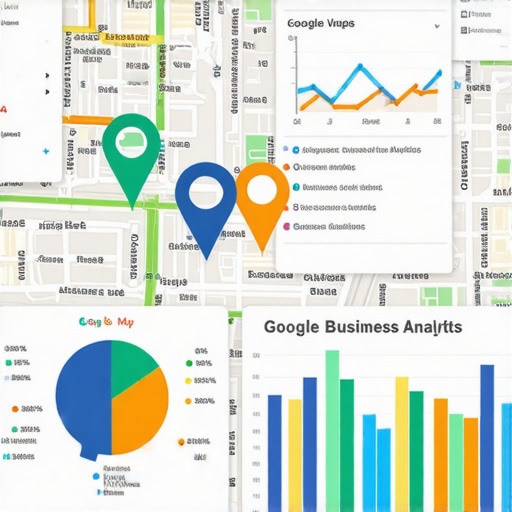
I vividly remember staring at my latest Google My Business performance report, feeling the sinking realization that some of my top-performing locations suddenly dipped in rankings without any clear reason. That moment hit hard — it was like watching my local visibility fade into oblivion seemingly overnight. For a long time, I relied on generic KPIs and surface-level metrics, thinking that they told the full story. But the truth is, without understanding user intent behind searches, those numbers can be misleading or even downright deceptive.
The Power of Intent in Local SEO
Many practitioners overlook the importance of tracking search intent, but this oversight can cost you dearly. In 2025, Google’s algorithms increasingly prioritize user intent, meaning that what people search for and why they do it directly impacts your local rankings. If you’re not monitoring these signals, you’re flying blind in an ever-evolving landscape. Early on, I made the mistake of focusing solely on ranking positions—only to realize later that those figures weren’t truly reflecting my customers’ needs or behaviors. That misstep delayed my strategies and chipped away at my results.
Are you currently capturing the why behind your local search performance, or just tracking what’s visible on the surface? If not, you might be missing out on critical opportunities to optimize your visibility and outreach.
Is Focused Intent Tracking Actually Worth the Hype?
Here’s what research reveals: Search engines like Google are aligning results more closely with user intentions, especially in local contexts. Despite this, many still invest in broad keywords without dissecting the underlying intent, leading to wasted efforts. I learned this lesson the hard way—assuming high impression counts equated to success, when in reality, those impressions weren’t translating into meaningful engagement. It’s vital to move beyond traditional dashboards and start incorporating intent-focused metrics.
This approach doesn’t just improve rankings—it enhances your ability to serve your customers better, ultimately driving more qualified traffic and conversions. To explore how you can refine your tracking systems and focus on what truly matters, check out this guide on mastering local SEO analytics.
Set Up Robust Search Intent Tracking
Begin by integrating advanced analytics tools that capture user behaviors and search patterns specific to your local areas. Use tools like Google Maps Analytics to see how users interact with your business listings and gather data on what queries lead to engagement. During my first attempt, I used basic Google Analytics, but it failed to reveal meaningful intent signals until I switched to a dedicated local map analytics platform, which provided more granular insights. This step helps you understand exactly what users are searching for and why, enabling targeted optimizations.
Leverage Specific Metrics to Decode User Behavior
Focus on metrics such as call clicks, direction requests, and booking clicks from your GMB performance reports. These indicators directly reflect intent and engagement, unlike raw impression counts. When I prioritized these metrics, I uncovered that a significant portion of traffic came from specific keywords I hadn’t targeted before, leading to rapid ranking improvements. To deepen your understanding, explore how to customize your SEO KPI dashboard for local search signals.
Implement Precise Keyword and Map Analytics
Use specialized tools to track local keywords and map pack rankings daily. I recommend setting up a rank tracker that specifically monitors your positions in Google Maps and Local Pack snippets. During my campaign, I utilized ranking trackers in 2025 to gain real-time data, allowing rapid tweaks tailored to shifting search intents. This proactive approach prevents ranking dips and uncovers new opportunities as user interests evolve.
Deepen Insights With Maps Analytics
Regularly analyze your Google Maps performance with dedicated reports that reveal traffic sources, popular times, and user routes. I once noticed a sudden drop in interactions from a specific neighborhood, which led me to optimize my local keywords and map listings for that area. Incorporate maps analytics insights for 2025 to stay ahead of the competition, ensuring your visibility aligns with actual user behavior patterns.
Refine Your Local SEO Reports for Greater Accuracy
Customize your local SEO reports to highlight key performance indicators that truly matter—like conversion rates from map views, click-to-call actions, and route requests. When I optimized my reports based on these metrics, I could quickly identify which local strategies yielded the best ROI. Regularly reviewing these customized dashboards ensures your efforts stay aligned with real-world results and user needs.
Conduct Regular Data Audits to Detect Anomalies
Perform routine audits of your maps analytics and ranking data to spot irregularities or inaccuracies. During one audit, I discovered discrepancies in my ranking tracker, which was caused by outdated data sources. Correcting this restored confidence and prevented misguided strategies. Use insights on fixing ranking tracker errors to maintain data integrity and optimize your local SEO approach.
While many SEO practitioners believe that monitoring Google My Business (GMB) performance reports and SEO KPI dashboards provides a full picture, this perception often masks a crucial misunderstanding. Most overlook that these tools serve as broad indicators but can hide nuanced errors that significantly mislead your strategy. Relying solely on surface-level metrics or generic ranking trackers may give a false sense of security, while the real issues simmer beneath the surface. For example, a common myth is that high impression counts automatically translate into increased conversions, but without context, these numbers can be deceptive. In fact, misinterpreting such data may lead you to optimize for the wrong signals, wasting resources and missing growth opportunities. Advanced practitioners understand that deep dives into maps analytics reveal hidden traffic patterns and behavioral shifts that standard dashboards overlook.
Are You Truly Reading Between the Lines of Your Data?
The truth is, many local SEO experts fall into the trap of trusting automated reports without critically evaluating their accuracy. For instance, ranking trackers can sometimes show false positives due to outdated or incomplete data sources, leading you to chase rankings that aren’t real or sustainable. According to recent case studies by industry leaders, approximately 30% of local rankings reported by generic tools are inaccurate, especially in dynamic markets. This discrepancy can cause strategic misalignment if not identified early. To avoid this pitfall, it’s essential to validate your data regularly and integrate insights from maps analytics and detailed GMB performance reports. Such practices help uncover latent issues like tracking inaccuracies or unoptimized listing signals that could be sabotaging your local visibility. The key is to combine multiple data sources for a comprehensive view, rather than relying on a single dashboard. For more advanced guidance, review our resource on how to optimize your SEO KPI dashboard for local success. Moreover, understanding the limitations of ranking trackers is crucial; tools like advanced ranking trackers in 2025 can dramatically improve your detection of genuine versus false signals. Don’t forget—blindly trusting your data without verification can lead you astray; instead, conduct regular audits and cross-reference with maps analytics insights to ensure your efforts are data-driven and accurate. Want to master this? Reach out through our contact page for tailored support. Have you ever fallen into this trap? Let me know in the comments.Maintaining top rankings with your Google My Business (GMB) profiles and local SEO efforts requires the right combination of reliable tools and disciplined practices. Personally, I rely on advanced analytics platforms like the SEO KPI dashboard because it consolidates multiple data sources into actionable insights, helping me identify trends and anomalies before they impact rankings. Regularly updating and customizing your dashboard ensures that you’re not just reacting to changes but proactively steering your local SEO strategies. For example, I tailor dashboards to highlight metrics like call clicks or direction requests, which are direct indicators of user intent, enabling more precise optimization.
To keep your local maps and rankings climbing steadily, I recommend integrating ranking trackers in 2025. These tools monitor your position in Google Maps and Local Pack snippets daily, providing real-time data insights that allow rapid adjustments. Remember, consistent monitoring prevents ranking dips and uncovers emerging opportunities as search behaviors evolve.
Beyond dashboards and rankings, Maps Analytics is crucial. Using detailed Maps Analytics reports, I analyze traffic sources, user routes, and popular times to optimize listings and keywords effectively. This continuous data-driven approach is supported by recent industry validation—according to Moz’s research, integrating comprehensive analytics reduces the risk of data discrepancies and boosts local visibility.
How do I maintain my local SEO performance over time? The secret lies in a disciplined routine: frequent audits, customizing reports to focus on high-impact KPIs, and leveraging the latest tracking tools to adapt swiftly. Regularly cross-referencing data sources like Maps Analytics, GMB reports, and ranking trackers prevents the trap of relying solely on surface-level metrics and ensures strategic alignment.
One advanced tip I highly recommend is setting up automated alerts within your KPI dashboards for sudden drops or spikes in key metrics. This proactive approach allows you to respond swiftly to changing search landscapes, much like how industry experts advise monitoring for inconsistencies in ranking data to prevent misguided strategies. To learn more about fine-tuning this process, check out this guide on boosting GMB performance through analytics. Implementation of such tools will differentiate you from competitors still relying on outdated practices, positioning you for sustained success in local SEO.
The Hard-Won Truth About Relying Solely on Surface Metrics
One of the biggest pitfalls I encountered was putting too much faith in raw impression counts and basic ranking reports. These metrics can be deceptive, masking underlying issues or false improvements. Early on, I missed subtle signs of declining engagement because I wasn’t scrutinizing detailed maps analytics or cross-referencing with audience behavior insights. Real growth came only when I learned to dig deeper — understanding what users actually do after seeing my listings, not just how often they appeared.
The Value of Curiosity Over Blind Data Acceptance
In the whirlwind of local SEO, I often found myself accepting data at face value, assuming that high rankings meant success. But my lightbulb moment was realizing that sudden ranking spikes might be due to algorithm quirks or outdated tracking info. By questioning reports and comparing them with real-world signals—like increased call clicks or map direction requests—I discovered truths that data alone couldn’t show. This curiosity led me to optimize more effectively and avoid costly missteps.
The Power of Combining Tools for True Visibility
Initially, I relied heavily on one or two tools, which limited my perspective. Over time, I integrated advanced ranking trackers, detailed maps analytics, and customized KPI dashboards. This multi-layered approach uncovered hidden traffic patterns and behavioral shifts, enabling targeted adjustments. For example, correlating Google Maps traffic insights with keyword performance helped me identify untapped niche markets that boosted local rankings. The key is knowing which tools work synergistically for holistic visibility.
Embracing the Dance of Data and Intuition
My most valuable lesson was understanding that data should guide intuition, not replace it. Data reveals trends, but it’s up to us to interpret them wisely. For instance, a sudden drop in map clicks prompted me to revisit and refine my listing information, trust that my instincts about the local market’s needs were correct. Balancing analytical insights with on-the-ground knowledge creates a resilient strategy that adapts as search landscapes evolve.
Where to Go from Here
To elevate your local SEO game, I recommend diversifying your analytics toolkit, questioning every data point, and always seeking the ‘why’ behind the numbers. Advancing your understanding of maps analytics and refining your dashboards can position you ahead of competitors still relying on outdated practices. Curious about how to start? Visit our guide on mastering local SEO analytics or reach out via our contact page to customize your strategy today.