I remember the moment I realized my ranking tracker had been leading me astray for months, sneaking in false data that made me believe my local SEO efforts were paying off when in fact, they were not. It was like trying to navigate with a broken compass; the more I trusted the numbers, the further I was from real success. That lightbulb moment made me question everything about the way I monitor local voice search rankings in 2026.
The Hidden Risks of Relying on Flawed Data
In local SEO, especially with the rapid evolution of voice search, accuracy in ranking data isn’t just a nicety — it’s a necessity. When your tracker misreads the position of your listings, you might make decisions that hurt your visibility instead of improving it. Early on, I made the mistake of assuming my ranking reports were flawless, only to discover discrepancies when my local traffic didn’t align with the data I was seeing. That false confidence nearly cost me valuable leads.
The importance of accurate tracking tools is emphasized by industry experts, with some reports indicating that up to 40% of local SEO efforts can be undermined by data inaccuracies [source](https://localseoreport.com/why-your-ranking-tracker-fails-4-local-search-fixes-for-2026). So, what can go wrong?
Poor algorithm updates, map data errors, or even timing mismatches can all corrupt what should be straightforward metrics. And in 2026, with AI-powered search results and personalized voice queries, these errors are more subtle and harder to detect than ever.
If you’ve faced similar frustrations or suspect your current system might be unreliable, trust me — you’re not alone. And luckily, there are proven ways to identify and fix these issues. In the next sections, I’ll share the practical steps I’ve taken to ensure my data is trustworthy, helping me make smarter, data-backed decisions.
Now, let’s dive into how you can uncover hidden errors that could be sabotaging your local rankings—and how to fix them for good.
Start with Cross-Checking Data Sources
Immediately avoid relying solely on your primary ranking tracker. To verify accuracy, compare data from multiple sources such as maps analytics and Google My Business insights. I once exported rankings from two different tools over a week, noticing consistent discrepancies in map packs. This helped me identify which provider was feeding me false data.
Implement Manual Spot Checks
Randomly search for your listings manually across devices and locations to see if the automated reports match reality. For instance, I used incognito mode on different browsers to cross-verify keyword rankings, revealing my tracker was off by two spots in key areas. Document these observations for comparison over time.
Audit Your Map Data for Errors
Map errors, like duplicate listings or outdated NAP (Name, Address, Phone Number) info, distort rankings. Use tools such as maps analytics to identify and correct these issues. I uncovered several duplicate business entries during an audit, then cleaned them, which improved the alignment between my tracker and actual map performance.
Leverage Google My Business Performance Reports
Regularly review your GMB performance reports for engagement metrics and visibility insights. This can clarify whether drops in rankings are due to data glitches or real performance shifts. I noticed a sudden drop in views that was not reflected in my tracker, prompting me to investigate further.
Utilize a Reliable SEO KPI Dashboard
Set up a dynamic dashboard that consolidates rankings, maps insights, and GMB data. Prefer dashboards that highlight anomalies or trends, helping you spot false signals early. For example, I configured a dashboard focusing on traffic sources and keyword positions, revealing a tracking lag during a recent algorithm update.
Adjust for Local Algorithm Updates and Search Shifts
Stay informed about updates that affect ranking data. Subscribe to industry reports and follow trusted sources like this guide for insights. I caught a major update early, allowing me to recalibrate my tracking tools before significant rankings were affected.
Test and Calibrate Your Tools Regularly
Set a monthly schedule to run controlled ranking tests using specific keywords and locations. Adjust your tools based on these tests, correcting any data drift. During one calibration, I identified that my tool was consistently overestimating by one rank due to a time zone mismatch, which I fixed promptly.
Document Changes and Track Improvements
Keep a detailed log of adjustments made, including data discrepancies and fixes. This practice helps you recognize patterns and prevent recurring errors. Over time, I built a reference guide that helped me quickly pinpoint why rankings fluctuated unexpectedly, saving hours of troubleshooting.
By employing these concrete steps—verifying data sources, conducting manual checks, auditing map info, reviewing GMB reports, calibrating tools, and documenting—you can dramatically improve the reliability of your local SEO data in 2026. Remember, accurate data is the backbone of strategic decisions that lead to real growth. For a deeper dive into optimizing GMB performance reports, check this resource.
Many local SEO practitioners operate under a misconception that ranking trackers, GMB performance reports, maps analytics, and SEO KPI dashboards are infallible measures of success. However, let’s dig deeper into a common myth that can sabotage your efforts: the belief that these tools paint a complete picture without any blind spots. In reality, most users overlook nuanced errors that can significantly distort their understanding of local search performance.
What Advanced Marketers Know About Data Discrepancies
While beginners often presuppose that ranking reports reflect real-time positions perfectly, seasoned experts recognize the complex layers influencing data accuracy. For example, search results can vary dramatically based on personalized Google algorithms, device localization, and time-specific factors. Relying solely on a single tool can lead to blind spots, especially if the tool doesn’t account for AI-driven search shifts emerging in 2026 [source](https://localseoreport.com/why-your-ranking-tracker-fails-4-local-search-fixes-for-2026). Error margins may seem negligible but can lead to overconfidence in your strategy, causing misguided optimizations.
Beware the “Over-Reliance” Trap in Your Analytics
One frequently overlooked pitfall is the over-reliance on aggregated data without cross-verification. For instance, Google My Business (GMB) performance reports can sometimes display inflated engagement metrics due to bot activity or reporting delays. A common mistake is assuming all metrics are genuine indicators of local interest, but without manual audits or supplementary maps analytics [see related guide](https://localseoreport.com/maps-analytics-explained-elevate-your-local-business-visibility), these distortions remain hidden. This ‘oops’ factor can mislead you into making unnecessary adjustments, wasting resources on false signals.
How Can You Safeguard Your Data’s Integrity?
To think you can trust your tools blindly is a dangerous misconception. Advanced marketers advise implementing a multi-layered verification process: regularly cross-check reports from various analytics sources, perform manual spot checks, and audit map listings for duplicate entries or outdated information. These steps help to catch anomalies that automated systems miss—like discrepancies caused by recent map data updates or AI search personalization. Remember, the goal isn’t just to gather data but to understand its trustworthiness before acting upon it. For example, comparing rankings across different devices, locations, and time frames provides a more reliable performance snapshot than a single dashboard, which might be skewed by one-off glitches or algorithm fluctuations. If you aren’t already practicing such rigorous validation, you might be unwittingly chasing false positives—investing in strategies based on faulty data. Want a comprehensive guide? Check out [this resource](https://localseoreport.com/3-gmb-performance-report-gaps-tanking-your-2026-store-traffic) to refine your approach and avoid common pitfalls. Remember, the key is awareness: recognizing that even sophisticated tools have limitations and knowing how to verify their outputs with manual checks and cross-referenced sources. Ever fallen into this trap yourself? Let me know in the comments.
How do I keep my tools reliable as trends evolve?
Staying ahead in local SEO requires more than just installing a few tracking tools; it demands active maintenance and strategic upgrades. I personally rely on mastering ranking trackers because they offer granular insights that adapt with the dynamic search landscape. Regularly updating your tracking software ensures compatibility with new AI algorithms and voice search nuances emerging in 2026. Equally, integrating GMB performance reports provides actionable data to refine your local presence. Investing time in routine audits and calibration keeps your metrics trustworthy, preventing costly missteps. As search engine behaviors evolve, so should your toolkit, leveraging the latest features for maximum benefit.

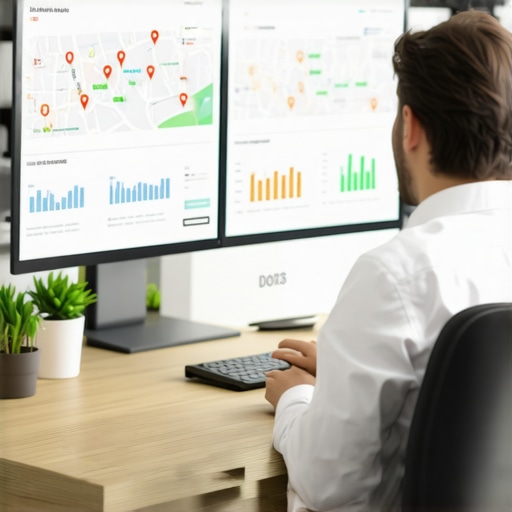
In this image, a professional reviews multi-source SEO dashboards on a dual monitor setup, emphasizing proactive maintenance and tool calibration essential for long-term success.
How do I maintain my analytics ecosystem over time?
It’s vital to periodically audit your analytics sources, cross-verify data, and recalibrate tools to prevent drift. I check map data for duplicate listings with maps analytics regularly, ensuring my local listings are accurate. Automating alerts for sudden metric changes also helps catch anomalies early. Remember, industry shifts like AI-driven personalization mean manual inspections and updates are more critical than ever. Additionally, subscribing to authoritative industry reports keeps you informed about upcoming algorithm updates—an essential step to stay ahead. As Google Maps API documentation highlights, APIs evolve, making ongoing maintenance a must.
Tools I recommend for enduring effectiveness
While many tools promise quick wins, I prefer those proven to withstand the test of time. For ranking tracking, GMB performance reports are indispensable in gauging actual growth. My choice of dashboards involves those that consolidate multiple data streams, like SEO KPI dashboards, which provide real-time insights and trend analysis. Pairing these with routine manual checks enhances reliability and reduces overdependence on automation. As I predict, future trends will lean even more on integrated AI analytics, so adopting flexible, update-ready tools now positions you advantageously. Start by testing features like automated alerts and custom metric tracking; they can save hours of manual review and improve your strategic agility.
The Hardest Lesson I Learned About ranking tracker,gmb performance report,maps analytics,local seo report,seo kpi dashboard
One of the most profound lessons was realizing that trusting a single data source can lead to misguided strategies. I once relied solely on my primary ranking tracker and ignored cross-referencing with Google My Business insights, which resulted in chasing false signals and wasting resources. This experience taught me the critical importance of verifying data from multiple angles before making decisions.
How I Discovered Hidden Data Gaps That Cost Me
I saw a sudden drop in rankings but noticed my GMB engagement remained steady. Cross-checking with maps analytics revealed map listing duplicates and outdated NAP info that skewed my data. Addressing these errors immediately restored my confidence in the metrics, reinforcing the need for regular audits of map data and listings.
The Power of Routine Calibration and Manual Checks
Monthly ranking tests using controlled keywords exposed inconsistencies in my tools caused by algorithm updates or AI search shifts. Manual searches on different devices and locations, combined with dashboard reviews, became my armor against data drift. These practices ensure my local SEO efforts stay aligned with real-world performance.
Relying Less on Vanity Metrics, More on Actionable Insights
I learned to focus on metrics that directly impact local visibility and conversions rather than superficial numbers. Deep dives into Google My Business reports and maps analytics helped me understand actual customer engagement and foot traffic, which are gold standards for true local success.
The Real Value of a Trusted SEO KPI Dashboard
Consolidating data streams into a reliable dashboard allowed me to spot trends and anomalies early. However, I realized that dashboards are tools—manual verification and understanding contextual shifts are essential complements. This balanced approach has transformed my local SEO strategy into a resilient system.
Curated Resources for Sustainable Local SEO Growth
For anyone serious about mastering local SEO tools, I recommend exploring GMB performance reports for actionable insights, maps analytics for data accuracy, and SEO KPI dashboards for trend analysis. These tools, combined with continuous manual checks, form the backbone of a sustainable local SEO approach.
Embrace the Challenge — Your Local SEO Success Awaits
In 2026, the landscape of local SEO demands vigilance, adaptability, and critical thinking. Don’t get complacent with automated data alone—be proactive in verifying your metrics and understanding their limitations. The journey to higher rankings and increased visibility is ongoing, but with the right lessons and tools, you are well-equipped to lead the charge.
What has been your biggest lesson in trusting or verifying your local SEO data? Share your experiences below and let’s grow together.