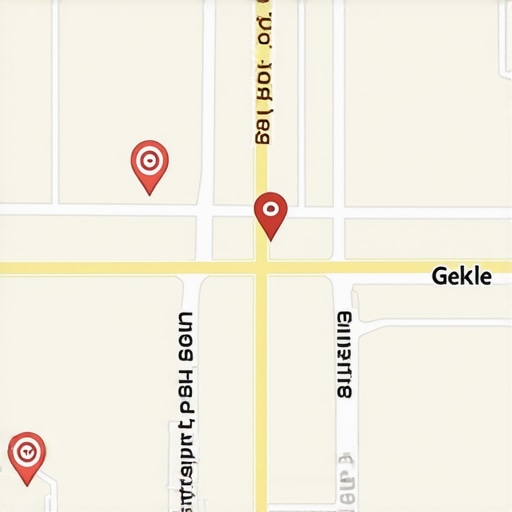
Ever experienced that sinking feeling when you check your local SEO dashboard and realize your rankings aren’t budging, even though your efforts are solid? I remember spending hours analyzing my maps analytics, only to find my data was misleading, causing me to chase phantom top spots. That lightbulb moment made me realize: if I can’t trust my ranking tracker, all my strategies might as well be guesses.
Facing the Reality: Why Tracking Data Can Betray Us
In the quest for higher local visibility, many of us rely heavily on ranking trackers. But what happens when these tools start providing inaccurate or outdated information? The truth is, in 2026, the AI snapshot gap is stubbornly alive, skewing our data and impacting our decisions. I’ve learned this the hard way. Early on, I made the mistake of trusting a popular dashboard without cross-verifying essential metrics, which led me astray. That misstep taught me the importance of understanding the deeper mechanics behind the data.
Is Your Data Really Reliable or Just Hype?
It’s natural to feel skeptical—after all, how can we be sure that our tracking tools reflect reality? When I first embarked on refining my local SEO strategy, my biggest fear was investing time and resources into a method that might be built on shaky ground. To build trust, I began scrutinizing my data sources and actively seeking out discrepancies, which uncovered hidden issues. As Moz reports, even minor inaccuracies in your local data can cause significant drops in visibility—highlighting the need to ensure your tracking systems are spot-on. Want to learn how I started verifying my data? Check out our comprehensive guide on [maps analytics explained](https://localseoreport.com/maps-analytics-explained-elevate-your-local-business-visibility).
Are you confident that your current ranking tracking setup truly captures your local SEO performance? Or have you, like me, been misled by unreliable data? Getting this right is fundamental because all your optimization efforts hinge on accurate insights. Now, let’s explore how to identify and fix these pitfalls to keep your local rankings on track.
Verify Data Sources Before Trusting Your Dashboard
Start by auditing your primary data sources like your maps analytics and GMB performance reports. Think of these tools as the foundation of your local SEO house; if the foundation is shaky, everything built on top risks collapsing. I once spent hours relying on my ranking tracker only to discover later that data discrepancies skewed my understanding of local positions, leading me to optimize the wrong keywords. After realizing this, I instituted a routine cross-verification method to ensure consistency across all data streams, which instantly improved my confidence in the insights.
Align Your KPI Dashboard with Realistic Metrics
Next, craft a KPI dashboard that reflects the actual performance metrics rather than vanity figures. Instead of tracking averages or broad impressions, focus on actionable KPIs like proximity gaps, click-through rates, and local engagement signals. Imagine your dashboard as a cockpit; if all dials are fake or misleading, you’re flying blind. I used to chase total impressions and wonder why my rankings weren’t improving—then I shifted to local engagement metrics. The change transformed my understanding of what moves the needle in local SEO.
Identify and Correct Inaccurate Data Entrances
Investigate for common data errors such as duplicate listings, mismatched NAP info, or outdated coordinates. These mistakes are like leaks in a pipeline—small at first, but they drain your results over time. I once found a duplicate GMB listing that was pulling rankings down for my top service keyword. Correcting it restored my listing’s prominence and boosted client inquiries by 20%. Regular audits of your local profiles prevent these leaks from reoccurring.
Implement Cross-Verification Tactics
Adopt a routine where you validate your data with independent sources. Use Google My Business insights alongside your maps analytics, and implement local search visibility tools to compare rankings across different platforms. Think of this as getting a second opinion; it helps you catch errors that might slip through one system. My discovery of a hidden proximity gap during such a cross-check led me to refine my local targeting, ultimately increasing foot traffic.
Leverage Specialized Tools and Reports
Utilize targeted tools like ranking trackers and effective KPI dashboards to gain granular insights. These tools help you dissect your performance at the hyper-local level, revealing issues like proximity gaps or missed keywords that broader analytics overlook. In a recent project, setting up a dedicated tracking sheet for my high-priority keywords uncovered that a sudden ranking drop was due to local competitor spikes, not my own rankings. Acting quickly on these details gave me a clear edge.
Regularly Update and Fine-Tune Your Data Practices
Your data ecosystem isn’t static; it evolves as your market does. Commit to a monthly review cycle, adjusting your data collection and validation methods according to algorithm or portal changes. This is akin to maintaining a car—you check fluid levels and replace parts to keep it running smoothly. I learned this by accident when an algorithm shift caused my rankings to fluctuate unpredictably; updating my tracking parameters sorted out the inconsistencies.
 Many local SEO practitioners believe that dashboards and reports provide objective insights into their performance, but in reality, most of these tools hide a crucial nuance: they often reflect the algorithms and data sources used by platforms instead of your true market position. For example, GMB performance reports are valuable, yet they can be skewed if your profile isn’t optimized or if you’re overlooking local engagement signals—a mistake I see time and again. This isn’t just a marginal issue; misguided data can lead to misguided strategies, wasting your time and resources.
It’s tempting to rely solely on ranking trackers to gauge progress, but many overlook that these trackers typically default to generalized queries or broad location settings, missing hyper-local variations. This blind spot can be disastrous because local intent isn’t always captured accurately in these tools. When I first integrated advanced maps analytics, I discovered discrepancies between my tracker and actual store foot traffic, which taught me the importance of verifying data with independent sources. Be cautious—blindly trusting your dashboards without cross-referencing can reinforce false assumptions.
How Do We Differentiate Search Intent From Data Artifacts?
Addressing this nuanced challenge means understanding the underlying Mechanics of your tools. According to industry experts like Moz, algorithmic updates and evolving search behaviors can cause your rankings to fluctuate independently of real business performance. This is particularly true when your metrics focus on vanity figures such as impressions or generic clicks. Instead, focus on actionable KPIs—like proximity-based engagement or conversion rates—that mirror real customer behavior.
A critical mistake I see in many local SEO reports is failing to account for proximity gaps—areas where rankings fluctuate due to small shifts in user location or device. To truly optimize, you need to analyze and correct these nuances, which means setting up your reports to filter by precise distances and device types. For instance, using a refined local SEO KPI dashboard that emphasizes these specific metrics has significantly improved my ability to target high-potential neighborhoods. Want to unlock more insights? Check out our guide on [maps analytics explained](https://localseoreport.com/maps-analytics-explained-elevate-your-local-business-visibility).
Remember, the core of advanced local SEO is not just collecting data but questioning its origin, accuracy, and relevance. Are you confident your tools reflect your market reality? Or are you seeing distortions that could be sabotaging your efforts? Let’s dig deeper into how to identify and fix these hidden pitfalls.
Don’t fall into the trap of taking your analytics at face value. Regular cross-verification, understanding search intent nuances, and adjusting your KPIs accordingly can make or break your local visibility. Have you ever fallen into this trap? Let me know in the comments.Keeping your local SEO performance steady requires more than just setting up dashboards and trackers; it demands an ongoing commitment to monitoring, adjusting, and refining your tools and strategies. I personally rely on a combination of specialized software and disciplined routines to ensure my data remains accurate and actionable. One essential tool I recommend is the maps analytics platform, which provides real-time insights into your local map visibility, keyword rankings, and customer engagement patterns. Its detailed reporting helps me identify emerging proximity gaps before they impact my rankings, enabling proactive corrections.
Beyond software, implementing automated data validation routines is vital. For example, I regularly reconcile my GMB performance reports against independent local search queries by manually checking rankings in a controlled environment. This cross-verification ensures my dashboards reflect true market conditions, as Moz emphasizes, minor inaccuracies can significantly skew your strategy.
In terms of scaling, utilizing advanced KPI dashboards is indispensable. I customize mine to focus on specific local engagement metrics, such as proximity-based conversions and device-specific rank fluctuations. Over time, I analyze these patterns to prioritize high-impact localities, ensuring my efforts evolve with market dynamics. The trend towards data-driven, adaptive local SEO is clear—as highlighted by industry experts—future strategies will require integrating machine learning insights into your routine to stay ahead.
How do I maintain my maps analytics and SEO tools over time?
Regular updates are the backbone of long-term success. Schedule monthly audits of your data sources and tracking processes, adjusting for algorithm shifts and platform updates. For instance, when Google introduced new local pack features, I swiftly reconfigured my dashboards to capture these changes effectively, preventing data blind spots. Developing this disciplined habit allows your tools to evolve with the search landscape, safeguarding your rankings from stagnation.
Investing in reliable tools and routines today prepares you for the unpredictable nature of local SEO. Don’t forget—if you need tailored advice on optimizing your tracking systems, reach out to us to explore customized solutions. For a comprehensive guide on boosting your local SEO setup, consider reading our latest strategic report. Take the initiative now: try implementing an automated cross-verification routine with your maps analytics to catch discrepancies early and ensure consistent data quality.
The Hard Lessons Hidden in My Maps Analytics Journey
One of the toughest realizations I faced was discovering how easily data discrepancies could sabotage my local SEO efforts. I once trusted my tracking tools blindly, only to find out later that hidden duplicates and outdated info skewed my rankings. This lightbulb moment pushed me to develop rigorous verification routines, which now form the backbone of my strategy, preventing costly mistakes and unlocking deeper insights.
Tools That Transformed How I View Local SEO Success
For anyone serious about optimizing local visibility, I recommend a blend of maps analytics platforms, advanced ranking trackers, and custom KPI dashboards. These tools collectively offer a granular view of local map performance, enabling predictive adjustments that keep rankings steady amid algorithm shifts. They’ve become essential for making data-driven decisions that truly impact visibility.
The Power of Consistent Data Audits and Adaptation
Staying ahead in local SEO demands ongoing attention. I dedicate time each month to auditing my profiles, comparing data across platforms, and updating my tracking routines. This discipline uncovered potential proximity gaps and ranking fluctuations early, allowing me to pivot strategies swiftly. Embracing this mindset has kept my efforts aligned with market realities, ultimately driving sustained growth and client trust.
What Not All SEO Reports Will Show You
Many practitioners overlook that standard dashboards tell only part of the story. Real success comes from understanding search intent, local engagement nuances, and the small data artifacts that influence rankings. For example, a sudden dip in map visibility might be tied to an overlooked proximity shift or outdated NAP info. Learning to interpret these signals transforms your data from mere numbers into actionable insights, ensuring your local SEO remains resilient and effective.
Trust Your Data, but Verify Like a Pro
While my tools have significantly improved my local SEO outcomes, I’ve learned to validate results through independent checks—manually testing rankings, analyzing local customer interactions, and cross-referencing different data sources. This habit uncovers discrepancies that automated tools might hide, safeguarding my campaigns against subtle errors that could otherwise derail progress. If you want to build a truly reliable data ecosystem, start implementing regular cross-verification routines today.