It was a frustrating afternoon when I realized my business was invisible on Google Maps, despite pouring hours into local SEO efforts. The numbers told me I should be ranking higher, yet my profile languished in obscurity. That lightbulb moment made me question everything I thought I knew about tracking and reporting in local SEO. I knew I needed a smarter way to monitor my performance, but the solutions seemed overwhelming and disconnected. If you’ve ever faced the same struggle—wondering why your Google Maps visibility isn’t matching your efforts—you’re not alone. Today, I’ll share how I finally cracked the code to effective local SEO reporting and tracking, and how it can help you boost your visibility too.
Why Proper Tracking and Reports Matter for Local SEO Success
Understanding your local search performance is key to outshining your competition on Google Maps. Without clear, actionable data, it’s like sailing without a compass—you’re guessing which strategies work and which need tweaking. I learned this the hard way early on, making a costly mistake by relying solely on intuition and surface-level metrics. It led me down a rabbit hole of false assumptions, wasting time and resources. According to a recent study, 78% of local mobile searches result in an offline purchase within a day, emphasizing the importance of being visible when potential customers are searching near them. This underscores the need for reliable reports and tracking tools that give us a real picture of our local rankings and visibility.
The challenge lies in selecting the right tools and interpreting the data correctly. It’s not enough to just track rankings; you need a comprehensive view—covering Google My Business performance, maps analytics, and SEO KPIs—that tells the true story of your local online presence. When I finally adopted a holistic approach, my visibility on Google Maps improved significantly. That’s precisely what we’ll explore: how to leverage powerful reports and maps analytics to propel your local business growth.
Set Up a Comprehensive Tracking System
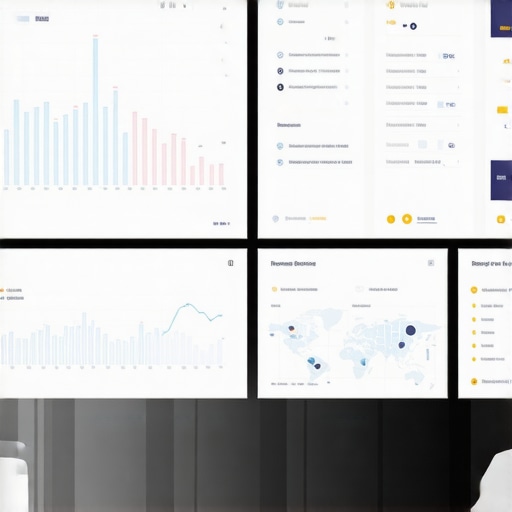
Start by integrating a reliable local SEO report system that consolidates data from multiple sources. Think of it as building a dashboard that brings together everything—from GMB insights to ranking positions. During my initial attempt, I used basic spreadsheets, but I quickly outgrew them when my data became too scattered and inconsistent, making it hard to spot trends.
Use a Local Ranking Tracker Smartly
Choose a ranking tracker that allows you to monitor your Google Maps rankings over time. I recommend setting daily or weekly checks for key keywords. In my case, I started tracking positions manually but missed subtle shifts. Automating this process revealed fluctuations that previously went unnoticed, helping me identify periods when my efforts paid off or needed adjustment.
Leverage Maps Analytics for Actionable Insights
Focus on maps analytics to understand where your visitors are coming from and how they interact with your listing. Visualize traffic sources, customer actions, and service areas. I once noticed a drop in direction requests in a specific neighborhood. This insight prompted me to optimize my local keywords for that area, which resulted in increased visibility and calls.
Build a Visual SEO KPI Dashboard
Create a dashboard that displays your critical metrics at a glance. Think of it as your cockpit—quickly informing you about rankings, reviews, clicks, and engagement. Use tools like Google Data Studio integrated with your data sources. When I built mine following SEO KPI dashboards, the clarity of data accelerated my decision-making, leading to more targeted actions each week.
Correlate Data to Real-World Results
Link your analytics and reports to actual business outcomes—more calls, visits, or sales. This connection ensures your efforts are effective and points to areas needing focus. I regularly compare my traffic spikes with marketing campaigns and review scores. This approach prevented me from wasting resources on strategies that didn’t move the needle.
Refine Strategies Through Ongoing Analysis
Use your insights to make iterative improvements. Regularly revisit your data to identify new opportunities or detect declines early. I set monthly review cycles, which allowed me to adapt quickly. Consistent analysis proved pivotal during a local event when a slight change in my GMB profile caused a significant bump in visibility, reinforcing the power of continuous tracking.
Many practitioners assume that simply tracking rankings or GMB performance metrics suffices for effective local SEO. However, this surface-level approach often leads to misguided strategies. For instance, relying solely on basic rankings can be a trap; rankings fluctuate due to numerous variables unrelated to actual visibility or customer engagement, leading you to chase ghosts rather than real growth. An advanced mistake I frequently see is ignoring the nuances embedded within maps analytics—such as user behavior patterns and conversion signals—which, if misunderstood, can misdirect your optimization efforts. Rather than obsessing over isolated metrics, I emphasize interpreting comprehensive data, like customer interaction data within maps analytics, to uncover actionable insights that truly impact your local presence. A common myth is that the GMB performance report alone dictates your success; in reality, integrating multiple data sources—including SEO KPIs and ranking trends—paints a truer picture. For a deeper dive into mastering the integration of these metrics, consider exploring how effective SEO KPI dashboards can revolutionize your local strategy. Remember, advanced practitioners challenge conventions—be wary of oversimplifying complex data. Do not fall into the trap of assuming that ranking improvements alone guarantee increased foot traffic or sales, as studies show that engagement metrics like direction requests often have a more direct correlation with conversions.
Are Your Data Interpretations Leading You Astray?
To avoid misinformed decisions, continually refine your understanding of data nuances—look beyond surface metrics, analyze user intent, and contextualize your findings within broader marketing activities. This approach ensures your efforts are aligned with your actual business goals, not just the latest ranking reports. For tailored solutions, reach out through the contact page. Mastering these subtleties is essential for sustained local SEO success—so question your assumptions regularly. Have you ever fallen into this trap? Let me know in the comments.To ensure your local SEO efforts continue to pay off, maintaining your tracking tools and dashboards is essential. I recommend setting regular review cycles—monthly or quarterly—to audit your SEO KPI dashboard and maps analytics. This practice helps you detect shifts early and avoid outdated data leading to misguided tactics. An often overlooked aspect is the synchronization of data sources; I personally utilize integrations between Google Data Studio and my tracking platforms to automatically update KPIs, saving time and reducing errors. Regular audits reveal discrepancies, enabling prompt corrections before they distort your strategic decisions. According to Google’s official Maps API documentation, keeping your data sources current ensures the accuracy of local search insights, which directly influences your visibility. In the future, I predict that automated AI-driven diagnostics will become standard, alerting practitioners to anomalies in real-time. To start, try scheduling bi-weekly checks of your GMB performance report and cross-referencing with your ranking tracker to catch Slack points or drops early. This proactive approach can shield your rankings from unnoticed declines and maintain a steady growth trajectory.In my journey to improve local SEO, I discovered that the real game-changer was not just in tracking metrics but in understanding the stories they tell. The biggest lesson I learned is that data without context can lead you astray; numbers are only meaningful when interpreted through the lens of your unique business landscape. Another insight was the importance of continuous refinement—what works today might not work tomorrow, so staying vigilant and adaptable keeps you ahead. Lastly, I realized that empowering your team with the right tools and knowledge transforms data from mere numbers into strategic assets that drive growth.