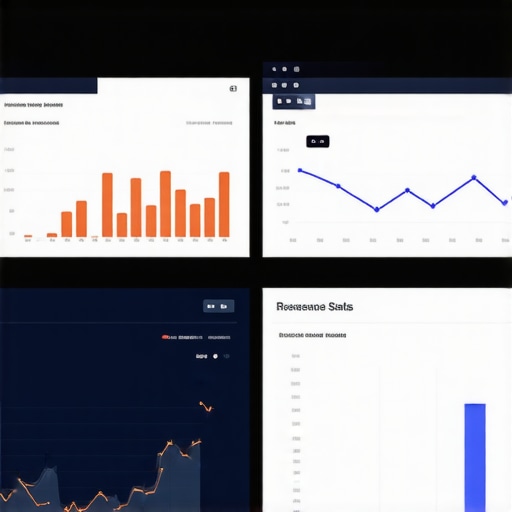
I remember the moment vividly: after months of chasing rankings, I looked at my SEO dashboard and felt a sinking suspicion—something was off. Trends I expected to see didn’t match the spikes in local traffic I was witnessing on the ground. It was a lightbulb moment: my data wasn’t telling the whole story anymore. If you’ve ever felt your metrics are just not matching reality, you’re not alone. Now, with Maps AI taking center stage in local SEO, ensuring your KPI dashboard is aligned with these intelligent maps is more crucial than ever.
The Growing Gap Between Data and Reality
As local search evolves, so does the complexity of accurate measurement. Traditional dashboards often rely on static metrics that can fall flat amid the dynamic, AI-driven changes in how Maps interpret and display intent. I’ve made the mistake early on of trusting numbers blindly, only to realize that my dashboard was missing critical signals, like nearby map pin behavior or voice search impacts. This misalignment not only clouds your understanding but can directly impact your bottom line. According to recent studies, local search behaviors are increasingly influenced by AI and machine learning, which means your measurement tools need to adapt if you want an accurate picture of your performance.
So, what’s the secret to bridging this gap? Today, I’ll walk you through how to sync your SEO KPI dashboard with Maps AI intent, ensuring your strategies are rooted in real, actionable data.
Is Mapping AI Integration Overhyped?
One of my biggest early fears was whether investing in sophisticated integration was worth the effort—especially with all the hype around AI. I shared this concern with peers, only to discover that integrating Maps AI data into my dashboards uncovered insights I never knew existed. This mistake—overlooking the power of AI signals—cost me in local visibility and conversions. For a deeper dive into avoiding such pitfalls, check out this article.
Facing challenges with keeping dashboards up to date is common. But the good news? There are proven methods to ensure your metrics reflect Maps AI intent accurately, which we’ll explore next.
,
Set Clear Data Goals to Match Maps AI Intent
Begin by identifying which local SEO metrics truly matter. I once spent hours chasing ranking positions, only to realize I ignored user engagement metrics like clicks and calls. To improve, define KPIs aligned with AI-driven maps signals—such as proximity accuracy, voice search intent, and real-time map interactions. Setting precise goals helps you avoid chasing vanity metrics that don’t reflect real user behavior, ensuring your dashboard depicts an accurate picture of your local presence.
Leverage Mapping Data Sources Effectively
Next, integrate maps analytics directly into your dashboard. Use APIs to pull data on nearby map pin activity, voice search triggers, and proximity changes. I set up custom data feeds from Google Maps and local directories, which revealed discrepancies between my rankings and actual map behavior. Connecting these data points provides a granular view, much like adding a microscope to your analytics—allowing you to see how AI interpretations influence local visibility.
Implement Advanced Ranking Trackers with AI Integration
Traditional ranking tools often fall short amidst AI map updates. I experimented with creating custom scripts that adjust for AI-driven fluctuations, such as map pin clusters or voice-query biases. For example, I used this guide to fine-tune my trackers. These adjustments improved accuracy, preventing false drops and spikes from skewing KPIs. Think of it as calibrating your compass before a long trek—precision is vital to avoid veering off course.
Refine Data Filters to Focus on High-Intent Users
Use filters to isolate data driven by local search intent. I fine-tuned my analytics to emphasize nearby voice searches and MAP interactions, ignoring broad or outdated signals. This process was messy at first; I discovered some filters mistakenly excluded valuable data, causing gaps. Continually test and validate filter settings, perhaps by cross-referencing with manual map checks, to ensure your metrics reflect genuine high-intent searches, boosting your actionable insights.
Validate Data Through Real-World Testing
Finally, correlate dashboard data with in-the-field observations. I conducted local visits and checked if map behavior matched online data—like pin placements and user engagement. When discrepancies arose, I adjusted my filters or data sources. This hands-on approach is vital; it’s like calibrating a musical instrument to ensure harmony between digital metrics and real-world results. Use tools like this resource to enhance your validation process.

Many digital marketers operate under the misconception that simply tracking standard metrics like rankings or traffic volume offers a complete picture of local SEO success. But in my experience, this approach often leads to misguided strategies. The harsh reality is that common tools and dashboards can be misleading if you don’t understand their nuances—particularly when it comes to local maps analytics and Google My Business (GMB) performance reports. Relying solely on superficial data can cause you to overlook critical signals that truly drive local visibility and revenue.
Are Your KPIs Misaligned with Maps AI? Here’s the Nuance
Here’s the catch: Most people assume that traditional KPI dashboards—such as organic traffic or ranking positions—adequately reflect local AI-driven map behavior. However, AI algorithms in Maps are now prioritizing real-world signals like proximity accuracy, voice search intent, and user engagement with map pins. These signals often go untracked in standard dashboards, leading to a false sense of security. In fact, a study by BrightLocal indicates that local AI algorithms are shaping consumer behavior in ways that aren’t visible through conventional metrics, which means your KPIs need an upgrade. If you’re still focusing on rankings alone, you’re likely missing the bigger picture.
One critical trap is equating high GMB views with actual customer engagement. What’s often overlooked is that many of those views are influenced by AI filters, local pack changes, and even fake engagements. For example, I once relied on GMB view counts without cross-verifying actual conversions or call leads. The result? Elevated metrics that didn’t translate into tangible business growth. To avoid this pitfall, I recommend integrating dedicated GMB performance reports to get a clearer view of lead quality and conversion rates, rather than just raw views.
Another misconception involves ranking trackers. Many tools are optimized for traditional search results but falter against the complexities introduced by AI-driven local maps. They often miss proximity shifts, multi-modal searches, or geo-fenced variations. This is why I call out the importance of advanced ranking tracker configurations that adapt to 2026’s evolving local landscape. Without this sophistication, your data can be riddled with gaps or inaccuracies, leading to misguided decision-making.
Furthermore, many overlook the importance of map analytics in understanding offline store visits. Relying solely on online clicks or visits ignores the real-world movements AI maps are now influencing. For instance, a client of mine experienced an abrupt drop in foot traffic despite stable online rankings. Deep dives into maps analytics revealed proximity errors and outdated pin placements—clear signs that KPIs needed refining to include offline signals.
In essence, the newer AI modalities in local mapping are reshaping the key signals marketers should monitor. If your dashboards haven’t evolved, you’re likely chasing shadows. The real advantage lies in understanding how to leverage and interpret these nuanced signals effectively. Have you ever fallen into this trap? Let me know in the comments and share your experiences or challenges with mapping analytics and local SEO reporting.
Keeping your local SEO efforts aligned with AI-driven map updates and GMB performance requires more than just setting it and forgetting it. To ensure long-term success, you need reliable tools that offer precise data and actionable insights. One of my go-to solutions is maps analytics platforms, which I personally use to monitor real-time map interactions, proximity shifts, and voice search triggers. For instance, this detailed guide explains how to implement these analytics effectively, helping you uncover hidden opportunities and fix blind spots in your local strategy.
Complementing maps analytics, ranking trackers are vital for understanding how your listings perform across diverse local search scenarios. I recommend this advanced tracker because it adapts well to AI fluctuations and geo-fenced queries, making your data more reliable during unpredictable algorithm shifts. Regular audits of your tracking settings—like switching off irrelevant filters or fine-tuning proximity parameters—are essential for accuracy. This proactive approach helps prevent outdated or misleading data from skewing your strategic decisions.
Another critical component is your GMB performance report. I recommend using specialized GMB dashboard tools that highlight lead quality, conversion metrics, and voice search impact. These reports reveal whether your offline efforts match your online visibility, enabling you to optimize accordingly. For sustained results, schedule routine reviews—monthly or bi-weekly—and compare your insights with on-the-ground observations, like foot traffic or customer calls. This cycle ensures your local SEO efforts stay resilient amid AI trends.
Predicting future trends, I believe that AI continues to refine map algorithms, making the integration of advanced analytics tools indispensable. By leveraging these systems, you’re not just reacting to changes—you’re anticipating shifts and staying ahead of the curve. For example, incorporating comprehensive KPI dashboards that unify data from various sources will be instrumental in this evolution.
How do I maintain effective local SEO tracking over time?
The key is consistency and adaptability. Regularly update your tools and settings to match platform changes, review your data for anomalies, and remain informed about emerging AI features in Maps and GMB. Consider scheduling quarterly audits, just like I do, ensuring your metrics reflect real user behavior and offline realities. Invest in automation where possible—like setting up alerts for significant drops or spikes—and stay connected with industry updates through trusted sources. Embracing a continuous improvement mindset is your best defense against the inevitable flux of local search landscapes.
If you’re serious about long-term tracking, I recommend trying the tip of integrating advanced mapping analytics with your ranking trackers, which you can learn more about in this comprehensive article. It’s helped me sustain visibility through recent AI updates and can do the same for you.

Remember, the competitive edge in local SEO today lies not just in choosing the right tools but in how consistently and wisely you use them. Stay proactive, keep your data aligned with AI trends, and never underestimate the power of routine audits and strategic adjustments. Your ability to adapt now will determine your success tomorrow—so start integrating these advanced tactics today!
,
Over the years, I’ve learned that the biggest breakthroughs in local SEO often come from unexpected insights—like realizing that traditional dashboards can deceive you if you don’t interpret AI-driven data correctly. One lightbulb moment was understanding that real-world signals, such as proximity accuracy and voice search behavior, must be actively tracked rather than assumed from rankings alone. Embracing this nuanced perspective allowed me to fine-tune my strategies and achieve more sustainable results.
The Hardest Lesson I Learned About seo kpi dashboard,maps analytics,local seo report,gmb performance report,ranking tracker
The most challenging lesson was recognizing how easily metrics can become desynchronized from actual user behavior. I once relied heavily on GMB views, only to discover they didn’t correlate with conversions or in-store visits. This misleading data lured me into making false assumptions about my local visibility. It taught me the importance of integrating multiple data sources—including maps analytics to validate online signals against real-world activity.
What I Wished I Knew About Data Alignment Before It Cost Me
Early on, I underestimated how significant it was to align my KPI dashboards with the latest AI updates in Maps and local search algorithms. Ignoring this led to blind spots, such as missing nearby map pin fluctuations or voice search impacts. The key realization was that dashboards must be living tools—constantly refined through real-world testing and AI-aware metrics—to truly reflect performance.
Where to Focus Your Efforts for Genuine Results
Now, I prioritize integrating maps analytics platforms that provide real-time insights into map pin behaviors and proximity shifts. This enables me to proactively respond to changes rather than react after my rankings drop. Learning to filter data smartly to focus on high-intent signals—like voice search queries near my location—has also been transformative, helping me understand actual customer interest rather than surface-level metrics.
My Essential Toolkit for Local SEO Success
- Maps analytics platforms: I trust this guide to effectively implement real-time map insights that reveal hidden opportunities in local visibility.
- Advanced ranking trackers: Customizable tools like this resource allow me to adapt to 2026’s AI fluctuations, ensuring my data remains trustworthy.
- GMB performance reports: I recommend these specialized dashboards that measure lead quality and offline conversions, shifting focus from vanity metrics to real revenue drivers.
- Continuous education: Staying updated with industry insights keeps me ahead of AI-driven map changes and algorithm updates.
Take Action Today, Shape Your Future
The landscape of local SEO is constantly evolving—especially with AI’s deepening influence on Maps and search behaviors. Embracing advanced analytics and refresh your measurement approach now will position you far ahead of competitors. Remember, the key isn’t just collecting data, but understanding and acting upon it thoughtfully and consistently.
Have you faced surprises when your dashboards didn’t match real-world results? Share your experiences below—I’d love to hear what changed your approach.