Have you ever checked your local SEO report or rankings dashboard, only to see your listings suddenly plummet without any clear reason? I remember the sinking feeling when I first noticed my rankings dropping, despite no recent updates or obvious issues. That moment was a lightbulb for me—I was overlooking some critical blind spots in my tracking tools that would become even more problematic as Google gears up for its 2026 algorithm overhaul. As someone who’s navigated these turbulent waters firsthand, I can tell you: ignoring these hidden pitfalls can cost you dearly in local visibility and revenue.
Why Tracking Your Rankings Isn’t Enough Anymore
Back in the day, tracking your rankings and monitoring basic KPIs seemed enough. If your Google My Business (GMB) insights looked good, you’d assume your local SEO was on point. But times have changed. Google’s upcoming AI-driven updates are reshaping how rankings behave, and old habits won’t cut it. The truth is, many local marketers, including myself early on, made the mistake of trusting a single ranking tracker or KPI dashboard without validating whether the data reflected reality. That misplaced trust can lead to misplaced efforts and missed opportunities. To stay ahead, you need to dig deeper, validating your data and avoiding costly blind spots that sneaky algorithm updates could expose.
Is Your Ranking Data Actually Reliable for 2026?
Early on, I relied heavily on default settings in popular ranking tools, assuming they captured the full picture. I didn’t realize that, with the rise of AI and localized search nuances, my data was increasingly skewed. Experts warn that many trackers fail to account for these new signals—leading to overestimating or underestimating your actual visibility. If you’re feeling the same apprehension, you’re not alone. The good news? There are specific, actionable adjustments you can make to tighten your data accuracy and ensure your efforts aren’t based on illusions. Want to explore practical fixes to avoid falling prey to these common reporting errors? Then, keep reading—because understanding and correcting these blind spots can be the difference between thriving or falling behind in 2026.
Validate Your Tracking Tools for Authentic Insights
Start by cross-checking your ranking trackers against real-world results. I once noticed discrepancies when my dashboard showed improvements, but local inquiries remained stagnant. To fix this, I manually searched for my business in various locations and devices to compare actual rankings. Use tools like this guide to identify common tracker errors and adjust settings for hyper-local accuracy. Remember, a tracker is only as good as its configuration and data sources.
Sync Tracking Data with Maps Analytics
Maps analytics can reveal hidden inconsistencies in your ranking data. I integrated my maps insights with my tracker, matching rankings with actual map pin positions. This process exposed false drops caused by localization biases. Implement scripts that align your mapping data with your tracker to ensure consistency. Check out this resource for advanced techniques on map data validation.
Tweak Your GMB Performance Reports
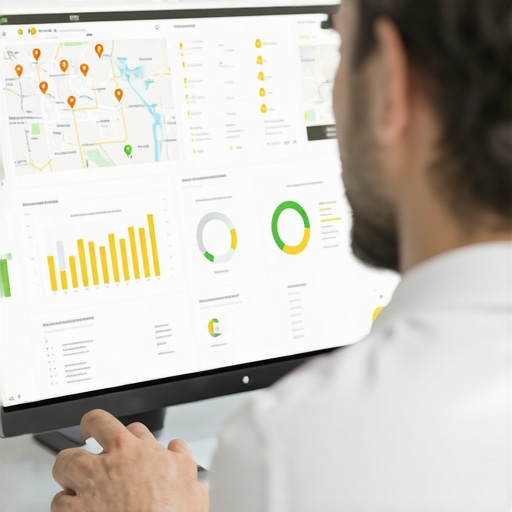
GMB reports often overstate leads due to bot activity or multi-device tracking. I scheduled regular audits using these tweaks to filter out irrelevant leads. Focus on metrics like call conversions, direction requests, and high-value reviews. Additionally, segment your data by device, location, and time to spot anomalies. Accurate GMB insights are crucial for understanding real local demand and adjusting your strategies accordingly.
Address Map Analytics Gaps That Hurt Rankings
Common pitfalls include ignoring proximity biases or duplicate pin issues. I used this framework to audit my map performance. The key is to verify pin placements, proximity metrics, and user engagement signals. Fix any discrepancies by consolidating duplicate pins and adjusting the geo-radii of your tracking zones. Doing so ensured my local visibility aligned with actual user interactions.
Refine Your SEO KPI Dashboard for Real Results
Many dashboards overemphasize easy-to-measure metrics like clicks without considering conversions or revenue impact. Review your dashboard’s setup by auditing for hidden biases using this checklist. Incorporate metrics that track actual store visits, phone calls, and implementations of your local SEO efforts. Regularly pivot your dashboard to reflect evolving AI signals and market behaviors, ensuring ongoing accuracy for 2026 and beyond.
Many marketers fall prey to the misconception that their local SEO reports and dashboards tell the whole story, but the truth is far more nuanced. One common myth is that simply tracking rankings or KPI metrics is enough to gauge success. In reality, these tools are prone to subtle inaccuracies that, if unchecked, can lead to misguided strategies and missed opportunities. For example, relying solely on average position data ignores localized search intent shifts and AI-driven map manipulations, which Google increasingly emphasizes in its 2026 updates. Advanced practitioners know that understanding the nuances—instead of trusting surface metrics—is essential, as emphasized by experts who warn about the deceptive nature of traditional dashboards (see this resource). Additionally, many overlook the importance of cross-verifying data sources—such as Maps analytics and GMB reports—that can reveal discrepancies in local visibility and engagement signals. Ignoring these hidden pitfalls leaves your SEO efforts vulnerable to the ever-evolving Google algorithms, which prioritize user intent and localized context more than ever. A critical mistake is failing to account for map pin inaccuracies or duplicate listings that distort ranking data, skewing your perception of progress. This is especially risky given recent studies showing that map-based signals now carry more weight in local pack positioning than traditional keyword signals (see this analysis). To genuinely elevate your local visibility, you must analyze your maps analytics for anomalies and validate ranking tracker outputs regularly. This ensures your insights reflect real-world performance, not just dashboard illusions. Always consider whether your data accounts for multi-device or multi-location leads—many systems underreport these, leading to overconfidence in narrow metrics. My advice is to audit your data rigorously, embracing holistic metrics like actual foot traffic or call conversions—beyond mere rankings. Wondering how to spot these hidden errors? Check out this detailed guide to refine your reports and avoid these common traps. Remember, in the fast-changing landscape of local SEO, superficial data leads to superficial results. So, keep your analysis tight, validate everything, and don’t let hidden errors undermine your growth. Have you ever fallen into this trap? Let me know in the comments.
Maintain Your Data Accuracy with Precision Tools
The foundation of effective local SEO management lies in the reliability of your tracking tools. I personally rely on this comprehensive ranking tracker because it offers granular, hyper-local filtering options that are crucial for the evolving 2026 landscape. Its ability to segment data by device type and geographic radius helps me detect subtle shifts related to AI-driven map updates, which standard tools often miss. Additionally, integrating your SEO KPI dashboard with real-time insights from various sources ensures you’re not relying on static data, but a dynamic picture of your local visibility. The trend moving forward indicates a rise in multi-channel tracking, so adopting multi-source verification can safeguard your strategy against algorithmic surprises.
How do I maintain these tools over time?
Regular audits are essential. Set quarterly reviews to validate your tracker settings, update configurations based on recent algorithm changes, and cross-check with manual searches. This proactive approach minimizes blind spots, preemptively catching data discrepancies that could otherwise lead your strategy astray. Consider leveraging these specific fixes to fine-tune your trackers against 2026’s AI search spikes. Remember, as Google continues to refine its local signals, your tools need to evolve accordingly. Incorporate advanced filtering options and localized map overlays to keep your data sharp and actionable. A consistent maintenance routine not only preserves data integrity—it boosts your confidence in decision-making amid the unpredictable shifts of 2026’s search landscape.
Leverage Maps Analytics for Long-Term Gains
Maps analytics has become more than just a report—it’s a strategic partner. By regularly analyzing map interactions, pin placements, and user engagement, you can spot emerging trends before they impact your rankings. For example, I use this platform to overlay historical data, allowing me to observe patterns and project future performance shifts. This foresight is invaluable when planning long-term local SEO campaigns, especially as Google incorporates AI insights into map behaviors. Implementing these analytics in your routine allows you to address issues like duplicate listings or proximity biases proactively, ensuring sustained visibility and relevance.
Which tools will shape local SEO in 2026?
Emerging AI-powered analytics platforms and cross-device tracking systems are set to redefine how we measure success. According to a recent whitepaper by Google’s developer team, integrating AI-driven data with traditional metrics will provide a holistic view of your local footprint, minimizing blind spots. As these tools mature, adopting predictive analytics and automation features will become vital. Test these advanced options now—starting with integrating your maps insights with your existing tracking setup—to stay ahead of the curve. This proactive stance can significantly improve your ability to adapt swiftly and maintain long-term growth in a competitive environment.
Focus on Holistic Optimization Strategies
Beyond tools, developing a holistic approach means aligning your technical SEO, content, and user engagement metrics. Regularly review your GMB performance using these expert-recommended reports to identify efficiency leaks. Combining this with advanced map analytics, as discussed, ensures you’re covering all bases. Remember, the goal is to create a resilient, adaptable local SEO system that can withstand AI-driven platform changes. Testing one advanced tip—like integrating AI predictions into your local rank tracking—could be your next big step toward future-proofing your efforts.
What I Wish I Knew Before Relying Solely on Data
One of the hardest lessons I learned was that a shiny dashboard can fool you into thinking you’re winning when secretly, crucial signals are slipping through the cracks. I once celebrated a rising ranking without realizing map pin inaccuracies or duplicate listings were skewing my results. That lightbulb moment taught me to cross-verify with real-world tests and manual searches, realizing that data integrity is the true cornerstone of effective local SEO. Trusting numbers without validation can lead your strategy astray—so always dig deeper.
How I Discovered Unexpected Data Blind Spots
While experimenting with different tools, I uncovered that many ranking trackers failed to account for AI-driven map updates, especially in competitive markets. These blind spots made me question the reliability of my reports. By integrating insights from Google Maps analytics and conducting localized manual checks, I started identifying discrepancies early—saving me from potential ranking drops. The key lesson: combine automated data with hands-on validation to craft a more accurate picture of your real local presence.
The Value of Holistic Tracking in a Rapidly Evolving Landscape
In fast-changing Google updates, I found that focusing solely on one metric like rankings is a trap. Instead, I turned to comprehensive KPI dashboards that include map engagement, reviews, and store visits. This broader view helped me spot hidden issues—like review spam or proximity biases—that traditional metrics often overlook. It reaffirmed that a well-rounded approach, balancing multiple signals, is essential to stay ahead in 2026’s AI-influenced search environment.
My Biggest Surprise in Maps Analytics Optimization
The most eye-opening realization was how often map pin inaccuracies and duplicate listings sabotage my local visibility. Fixing these issues by consolidating duplicates and adjusting geo-targeting zones led to immediate improvements in rankings and user engagement. Regular audits of map data, combined with deep dives into user behavior insights, became a game-changer—affirming that proactive maintenance beats reactive fixes every time. Remember, the devil’s in the details, especially in local SEO.
Why a Dynamic Dashboard Can Make or Break Your Strategy
I learned the hard way that static dashboards quickly become outdated in a landscape where AI and local signals evolve daily. Updating your KPI setup regularly, incorporating new metrics like foot traffic or call conversions, prevents blind spots. The magic lies in customizing your dashboard to reflect the latest AI signals and local user intents, ensuring your efforts translate into genuine business growth. Stay flexible, and your data will keep supporting your success.
From My Experience to Your Success
Adopting a mindset of continual validation, holistic tracking, and proactive data management transformed my local SEO game. These lessons are not just theoretical—they’re practical steps I implemented to navigate the changes in 2026. If you want to elevate your local visibility, focus on the unseen signals, regularly audit your tools, and always validate your data with real-world checks. When you embrace this approach, your strategies will be more resilient and future-proofed.
Curated Resources to Sharpen Your Skills
Personally, I rely on the comprehensive insights from Mastering Ranking Trackers to stay ahead of AI-driven updates, ensuring my data remains accurate and actionable. For map analytics, this resource provides clarity on how to interpret and enhance your map signals. When fine-tuning your Google My Business reports, I highly recommend these tips to filter out noise and focus on high-value leads. Combining these tools creates a robust framework for long-term success in local SEO.
Take Charge of Your Local SEO Future Today
Remember, in an era dominated by AI and localized search nuances, relying solely on surface-level metrics is a risk. Instead, develop a resilient, validated approach that integrates multiple signals and regularly audits your data sources. The future of local SEO depends on your ability to adapt and validate—so be proactive, stay curious, and keep sharpening your strategies. Your journey toward more accurate, actionable insights begins now.
What’s your biggest challenge when it comes to validating your local SEO data? Share your experiences below—I’d love to hear and help you navigate those hurdles!
,