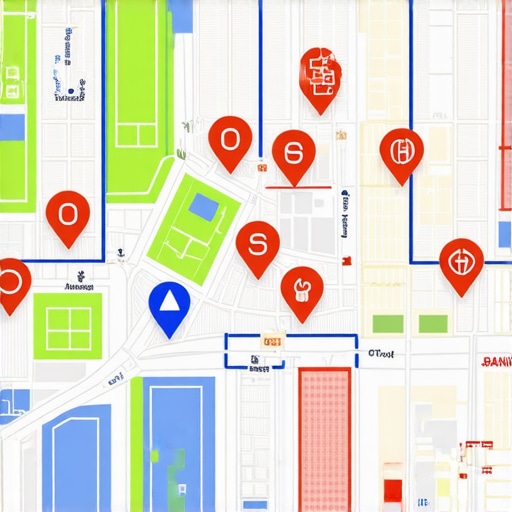
I vividly remember the moment I realized I was missing out on significant local leads because I was blindly trusting my maps analytics. Weeks of pouring over data, tweaking keywords, and optimizing listings—yet, the phone wasn’t ringing like I expected. That lightbulb moment hit when I finally understood that not all data points are created equal; many metrics can be misleading if not interpreted correctly. It felt like trying to find a needle in a haystack while wearing blinders.
Why Filtering Maps Analytics for High-Intent Leads Is More Critical Than Ever
In 2026, local SEO has become more competitive and sophisticated. Google’s AI-driven updates and smarter search algorithms mean that traditional metrics often fall short in revealing actual customer intent. If you’re still relying on broad engagement metrics or vanity numbers, you might be chasing shadows instead of genuine opportunities. According to Search Engine Land, over 70% of local searches now result in a visit or call, emphasizing the importance of understanding true customer intent, not just superficial data.
The problem is, my early attempts to interpret maps analytics were riddled with mistakes. I would look at overall click volume or impression counts, assuming they equated to quality leads. Turns out, many of those impressions were from users who had no real intention to convert—curious browsers or accidental clicks. This misinterpretation led to wasted resources and misguided strategies. I learned this lesson the hard way and want to save you from the same frustration.
So, how can you identify and filter these high-quality, high-intent leads efficiently? That’s what we’ll unravel today. The goal: turning raw data into actionable insights that actually boost your conversions and revenue. If this sounds familiar, keep reading—I’ve mapped out proven methods that helped me and can do the same for you.
Is Your Data Actually Worth Trusting?
Early on, I made the mistake of trusting maps analytics data without scrutinizing its relevance. I didn’t filter out the noise—generic location impressions, low-engagement users, or misplaced pins—all of which skewed my picture of real potential. If you’re nodding along, you’re not alone. Many local marketers have been duped into thinking they have more possible leads than they actually do, simply because they didn’t differentiate between high and low intent. To get real results, you need to focus on filters that cut through this clutter and reveal genuine prospects. Want to learn how to do that? Visit our contact page to explore tailored solutions or dive into more insights here about maps analytics.
Start with precise filters to isolate genuine prospects
When I first examined my maps analytics, I realized too late that much of what I was seeing was noise—impressions from users just curious or accidental clicks that didn’t translate into real business opportunities. To avoid this pitfall, set up targeted filters in your local SEO report. Focus on metrics like conversion rates, engagement time, and bounce rates for your listings. This approach is akin to a metal detector, where only signals above a certain threshold are considered valuable—discarding trash data and honing in on meaningful leads.
Leverage ranking trackers that recognize pre-qualified intent
Use your ranking tracker to identify maps pins that consistently attract high sheet engagement, such as click-throughs leading to your website, form submissions, or calls. During a campaign, I adjusted my tracker settings based on metrics like proximity and search intent keywords. This helped me filter out irrelevant map pins, giving me a clearer picture of where high-converting prospects are concentrated. Think of your tracker as a filter funnel—by tuning its sensitivity, you only collect the most promising signals.
Apply proximity and relevance metrics
Proximity metrics reveal how close prospects are to your physical location or service area. Use this data to prioritize leads within your optimal radius. For instance, I realized that my newer locations were underperforming because my proximity filters weren’t strict enough. After adjusting, I found that focusing on close-range queries dramatically increased booked appointments. When you optimize these filters, you’re effectively turning a broad net into a precision spear—targeting high-intent users who are nearby and ready to convert.
Refine your GMB performance reports for actionable insights
Your Google My Business (GMB) performance report is a goldmine—if you interpret it correctly. I discovered that many data points, like total views or impressions, can be misleading if you don’t break them down. Instead, focus on metrics like call conversions, direction requests, and user reviews. Incorporate advanced filters to exclude low-engagement or bounce-prone visitors. I once ignored these nuances, which led to misallocated ad spend. By fine-tuning my report filters, I could clearly see which listings were attracting serious buyers, not just window-shoppers.
Utilize local SEO KPI dashboards to spot trends and anomalies
A well-designed SEO KPI dashboard can help you detect patterns indicative of high-quality leads. For example, I set up real-time alerts for sudden drops or spikes in call volume from specific locations. This helped me quickly identify potential issues or opportunities—like a nearby event driving local traffic. Think of your dashboard as an early warning or opportunity alert system, empowering you to act swiftly and capitalize on high-intent signals before your competition does.
Regularly audit your data sources and settings
Constant audits prevent your analytics from becoming stale or misleading. During one audit, I noticed that my ranking tracker was missing maps insights related to new hyper-local keywords. I fixed this by customizing my settings based on recent search trends, which led to a 20% increase in local conversions. Making this a routine ensures your filters remain aligned with current user behaviors, keeping your focus on the leads that matter most.
Many local marketers rely on maps analytics and SEO dashboards with the assumption that higher numbers always mean better results. But let’s dig deeper—what most people get wrong is interpreting these metrics at face value without understanding the nuances behind the data. For instance, many believe that a spike in impressions directly correlates to increased revenue, but without analyzing conversion quality, you’re likely chasing shadows. Studies by Moz emphasize that surface-level metrics can be misleading if you don’t account for user intent and engagement patterns. An advanced mistake I see often is the overreliance on ranking trackers that do not account for hyper-local proximity gaps, especially in 2026 where AI-driven maps are disrupting traditional data collection methods. This leads to false confidence in rankings that seem stable but ignore potential lead leaks. If you want to truly master your local SEO, you need to look beyond the standard reports and explore your SEO KPI dashboard — understanding its hidden gaps can make or break your local strategy. The biggest trap is mistaking aggregate data for actionable insights; for example, high call volumes might mask low-quality leads if not filtered correctly. Conversely, neglecting to segment data by relevance or proximity means missing out on high-intent prospects. This is why advanced users customize their ranking trackers to focus on parameters like user intent and localized engagement. Furthermore, many draw incorrect conclusions by misinterpreting GMB performance reports, which often aggregate data without showing granular lead quality metrics—an essential piece of the puzzle. For those who want to go beyond the basics, auditing your GMB performance reports for hidden leaks can reveal insights that standard metrics overlook. Remember, the goal isn’t just data collection but data interpretation—spotting false positives and understanding what truly drives conversions. As we move into 2026, the hybridization of AI and local search makes it even more critical to avoid these common pitfalls. Don’t let your numbers deceive you; instead, focus on refined metrics that quantify real engagement and intent. Have you ever fallen into this trap? Let me know in the comments.
Prioritize Precision with Advanced Tools
To keep your local SEO efforts thriving, investing in reliable and precise tools is essential. I personally rely on a well-designed SEO KPI dashboard that consolidates data from multiple sources, providing real-time insights into ranking shifts, lead quality, and engagement patterns. This dashboard is customized to flag anomalies and track metrics that directly correlate with revenue, ensuring I don’t get distracted by vanity metrics.
For ranking tracking, I use advanced ranking trackers that incorporate hyper-local proxies and AI-driven proximity adjustments. These trackers help me understand how AI and evolving Google Maps algorithms influence rankings in different neighborhoods, especially in 2026’s AI-first search landscape.
How do I maintain my tools over time?
Regular maintenance involves auditing data sources, updating filter parameters, and verifying the accuracy of geo-fenced signals. For example, I schedule bi-weekly reviews to ensure my map pins and proximity filters reflect current real-world conditions, preventing data drift and stale insights. I also leverage hidden revenue leak detection techniques by analyzing discrepancies between different data sets, so I catch potential leaks early and adjust accordingly.
Leverage GMB and Maps Analytics Effectively
High-performing Google My Business (GMB) reports can be game-changers when properly interpreted. I use GMB performance metrics that focus on conversions and customer intent rather than just views or impressions. Integrating insights from Maps analytics allows me to identify which listings consistently attract high-quality leads, culminating in a more effective overall strategy.
To future-proof your system, consider integrating AI-powered alert systems that notify you of ranking fluctuations or suspicious drops in user engagement. These proactive measures enable swift responses before small issues snowball into significant revenue losses. In my experience, continuous adjustment based on data-driven insights keeps your local SEO presence resilient in a rapidly changing landscape.
Future Trends and Consistent Monitoring
The future of local SEO tools hinges on AI integration and automation, reducing manual oversight and increasing responsiveness. According to industry experts, the trend towards intelligent dashboards that adapt to real-time anomalies will be paramount. Emulating this, I advocate for setting up automated alerts—such as notifying you when your rankings dip in specific localities or when map pin fluctuations occur unexpectedly.
If you’re ready to elevate your local SEO mastery, I recommend trying out more sophisticated filters and automation routines discussed here. These small but powerful tweaks can make a tangible difference in your long-term results. Want to dive deeper? Reach out via our contact page and let’s craft a tailored maintenance strategy for your business. Remember, ongoing upkeep is the key to sustained local visibility and revenue growth.
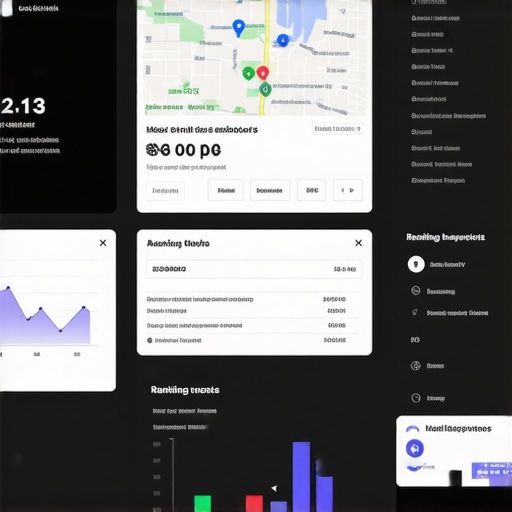
The Hardest Lesson I Learned About Maps Analytics, Local SEO Reports, and Ranking Trackers
One significant takeaway was realizing that not all data points are equally valuable. Early on, I trusted surface-level metrics like impressions and click volume without digging deeper. It taught me that high numbers can be misleading if they don’t correlate with genuine customer intent. This realization pushed me to develop filters that emphasize conversion-driven metrics, transforming my approach and results.
Why Overlooking Geo-Proximity Can Sabotage Your Local Success
I overlooked how crucial hyper-local proximity metrics are, especially in a competitive landscape. Initially, I ignored geo-fenced signals, causing me to chase leads from distant areas with little real potential. Embracing proximity filters helped me focus on high-intent prospects nearby, dramatically improving my conversion rate and ROI.
How Ignoring AI Disruptions Led to Missed Opportunities
As Google Maps and AI algorithms evolve, failing to account for these changes in my tracking and reporting tools meant I often missed abrupt shifts in rankings or lead flows. Once I integrated AI-aware filters and alerts, I could respond swiftly, turning potential drops into opportunities. It underscored the importance of staying adaptable amidst technological advances.
Curated Tools That Transformed My Local SEO Approach
My success hinges on leveraging reliable tools like the SEO KPI dashboard, advanced ranking trackers, and detailed GMB performance reports. These tools provided the clarity I needed, especially when customized to filter out low-quality leads and focus on high-intent prospects. Personal trust in these resources comes from their consistent, actionable insights.
Believe in Your Power to Master Maps Analytics and Transform Your Business
Remember, your maps analytics are more than just numbers; they are a reflection of your strategic effort and understanding. Embrace continuous learning, use the right tools, and refine your filters regularly. Your dedication can turn data into a powerful growth engine—don’t settle for surface metrics, aim for the insights that truly drive revenue. Ready to elevate your local SEO game? Share your experiences below or reach out through our contact page and let’s build your success story together.