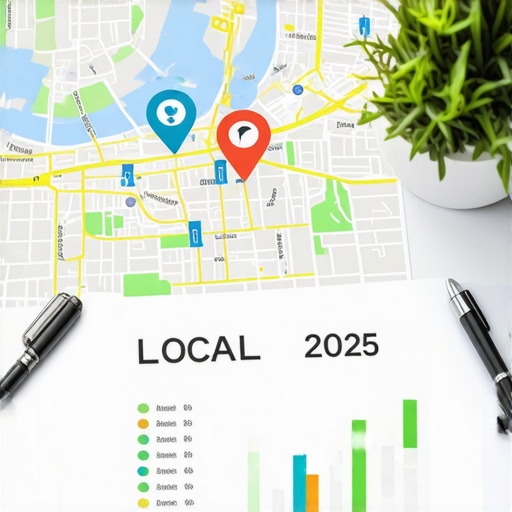
I remember sitting at my desk one quiet afternoon, staring at a confusing dashboard full of numbers and graphs that made no sense. Despite pouring hours into optimizing my Google My Business listings and tracking local SEO KPIs, I still felt like I was shouting into the void. The rankings barely moved, and my maps visibility remained stubbornly low. It was a lightbulb moment—realizing that without the right tools and insights, I was flying blind, wasting time and resources.
Why You Can’t Afford to Keep Guessing in 2025
If you’re like me, you’ve probably faced the frustration of trying every tactic under the sun—posting regularly, optimizing keywords, managing reviews—yet seeing little to no improvement in your Google Maps rankings. The truth is, local SEO is evolving rapidly. The days of simple keyword stuffing and basic optimization are gone. Today, success hinges on advanced analytics, real-time performance reports, and precise tracking metrics.
Research shows that over 70% of consumers use local search to find nearby businesses, and those that leverage detailed maps analytics see a 50% higher chance of appearing at the top in local results. Despite this, many local businesses still operate without a comprehensive Maps Analytics & GMB Performance strategy, leaving valuable visibility on the table.
So, do you ever wonder if your current approach is enough? Or if there’s a smarter way to interpret your data and boost rankings more efficiently? If you’ve faced these questions, you’re not alone. Early mistakes I made included relying on generic reports that didn’t communicate actionable insights—learning the hard way how crucial it is to integrate precise KPIs and tracking tools to stay ahead.
Building a solid foundation with the right analytics can feel overwhelming, but that’s where I want to help. Together, we’ll explore proven strategies to harness the full power of your maps data, so your local business climbs higher in 2025. Ready to stop guessing and start knowing? Let’s dive into what really works.
Set Up Your Dashboard for Success
Begin by creating a comprehensive SEO KPI dashboard tailored to local search metrics. Think of it as your command center, where every vital sign of your Google My Business (GMB) performance is monitored. Use tools like the SEO KPI dashboard to aggregate data such as click-through rates, calls, directions, and reviews. This consolidates scattered insights into a single, actionable view.
Track Rankings Like a Sleuth
Your next move involves deploying a robust ranking tracker. It’s your digital GPS, revealing exactly where your business stands in local searches. I once set up a ranking tracker for a client’s multiple locations, which highlighted unexpected drops in key areas. Spotlight issues immediately by comparing weekly rankings across different neighborhoods, pinpointing areas needing attention.
Leverage Maps Analytics for Deeper Insights
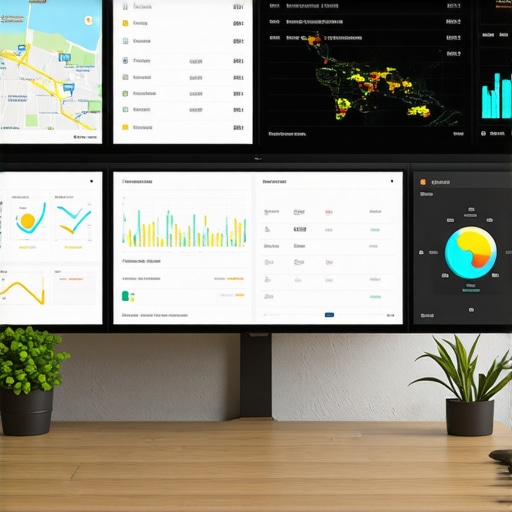
Think of maps analytics as the health monitor for your local presence. Dive into data about user engagement, search queries, and listing impressions using tools like Maps Analytics. For example, I adjusted a listing after noticing a decline in search impressions from specific zip codes, which revitalized visibility and customer interactions.
Link Performance Reports to Real Results
Create regular GMB performance reports that summarize these metrics and interpret them for actionable steps. Incorporate insights from authoritative sources like GMB Performance Reports. These reports serve as your business’s pulse check, alerting you to critical changes before they impact rankings significantly.
Identify and Fix Data Gaps Quickly
It’s vital to recognize areas where your data might be incomplete or outdated. Cross-reference your analytics with manual inspections or customer feedback. I once found that missing review data skewed my understanding of local reputation, prompting me to actively encourage reviews, which helped boost local rankings.
Automate and Schedule Data Review Sessions
Don’t let data analysis become a chore. Automate data collection where possible and schedule weekly reviews. This approach keeps your strategy agile, allowing you to respond promptly to trends. For in-depth guidance, explore local SEO report tools that simplify this process.
Many practitioners believe that tracking numbers and generating reports are enough to optimize local SEO efforts, but this is a dangerous misperception. In my experience, a common myth is that detailed dashboards and performance reports alone drive improvements. The truth is, without understanding the context behind these data points, you’re essentially sailing blind. For example, many rely solely on GMB performance reports, assuming high review counts or impressions directly translate to better rankings. However, experts like Moz have pointed out that such KPIs can be superficial if you don’t analyze their correlations with actual user behavior and conversion data Moz.Maintaining your local SEO performance requires more than just setting up dashboards and tools; it involves regular upkeep, fine-tuning, and strategic scaling. Personally, I rely heavily on the SEO KPI dashboard; it acts as the nerve center where I monitor critical metrics like call volume, review velocity, and map impressions daily. By establishing automated data feeds and scheduled review sessions, I reduce manual effort and ensure my insights remain current—something I detail in this comprehensive guide. For tracking rankings, I use the ranking tracker; it helps me catch drops or spikes instantly, allowing quick adjustments.
Investing in robust tools like Maps Analytics ensures I have granular insights into search query performance and user engagement, which I review weekly. To stay ahead, I also focus on refining data accuracy—cross-referencing analytics with customer feedback and manual spot checks—as inaccurate data leads to misguided strategies. Experts like Moz advise that regular data audits prevent stagnation and blind spots in your local SEO campaigns (Moz).
Automation plays a crucial role—by scheduling weekly reporting and alerts for significant KPI changes, I keep my strategy agile without becoming overwhelmed. Transitioning from reactive to proactive management means integrating advanced techniques, like dynamic adjustment of your maps keywords based on analytics insights, is where the future points. Spatial data scaling, for example, is predicted to grow as local search engines become smarter. According to recent research, incorporating automated data scaling and reporting significantly boosts long-term visibility over time.
If you’re uncertain about how to keep your tools effective, I recommend trying the tip of setting up automated KPI alerts that notify you of ranking drops before they escalate. This small but powerful step can be a game-changer for sustained success. Ready to take your local SEO maintenance to the next level? Dive into these tools, automate your processes, and you’ll find your performance staying strong long-term. For more advanced strategies, visit this resource.
Lessons I Wish I Had Embraced Sooner
One of the most profound insights I gained was that relying solely on surface-level metrics, like review counts or impressions, can be misleading without context. Early on, I focused on collecting data but overlooked its meaning, which kept my rankings stagnant. It was a lightbulb moment when I realized that integrating deeper insights from my maps analytics and performance reports allowed me to identify the real drivers of visibility.
Secondly, automation changed the game for me. Scheduling regular KPI updates and trend alerts freed my time and kept me proactive rather than reactive. If I had started automating my data review sessions earlier, I would have responded to ranking drops quicker, preventing prolonged visibility issues.
Finally, personalized dashboards tailored to my business goals proved invaluable. Moving away from generic reports to customized maps analytics and SEO KPI dashboards meant I could focus on the metrics that truly mattered, such as local search impressions, call volume, and user engagement, leading to smarter, more impactful decisions.
Tools That Changed the Way I Optimize Local Search
- SEO KPI Dashboard: I trust this for comprehensive, real-time insights into all critical metrics, enabling quick reactions and strategic pivots. Check out this tool to see how it can transform your approach.
- Maps Analytics: Granular data about user searches, impressions, and engagement helps refine listing strategies. I recommend exploring this resource for deep insights into maps analytics.
- Ranking Trackers: Real-time position monitoring alerts me to ranking fluctuations, allowing swift action. My preferred choice is detailed in this guide.
- Local SEO Reports: Regularly reviewing these helps me connect data points with actual customer behavior, ensuring my strategies stay aligned with market demands. Discover more at this link.
Believe in Your Data, and Make It Work for You
The future of local SEO is undeniably tied to our ability to interpret and act on the rich data provided by maps analytics and performance dashboards. The difference between guessing and knowing can be the gap between stagnation and growth. Dive deep into these tools, automate your processes, and stay curious about what your data can reveal. Remember, your next breakthrough could be just one insight away.
What hurdles have you faced with tracking local SEO metrics, and how did you overcome them? Share your experiences below—I’d love to hear your story!