I remember the moment vividly—sitting at my desk, staring at a sluggish Google My Business report that refused to reveal the real story behind my local SEO efforts. The numbers were flatlining, and despite pouring hours into optimizations, I felt like I was throwing darts in the dark, hoping to hit a bullseye. Frustration bubbled up because I knew I needed a better way to understand and improve my local rankings and visibility.
That lightbulb moment led me to realize something crucial: without accurate, insightful data, my efforts were all guesses. Today, I want to share how harnessing the right ranking trackers and maps analytics can transform your local SEO game in 2025. Whether you’re a seasoned pro or just starting out, understanding these tools can be your secret weapon for beating the competition and dominating local searches.
The Real Power of Maps Analytics and Ranking Trackers
Over the years, I’ve experimented with various tools, and let me tell you—tracking your local SEO progress isn’t just about numbers. It’s about collecting meaningful insights that inform strategic decisions. With the right maps analytics, you can pinpoint exactly where your visibility is strong and identify areas for rapid improvement. Paired with a reliable ranking tracker, you can monitor your positions across multiple local queries, seasonally adjust your tactics, and finally measure what truly works.
In my early days, I made the mistake of relying solely on surface-level reports. I overlooked the importance of customizing dashboards that focus on your specific KPIs, which led to misguided efforts. Now, I consistently use advanced tools that provide comprehensive insights—similar to what you can learn more about in this guide on SEO KPI dashboards. It’s essential to choose tools that align with your goals, support accurate data collection, and help translate that data into actionable strategies. Ready to dive deeper? Let’s look at some key questions you might be asking yourself about this evolving landscape.
Set Clear Objectives with Your SEO Goals
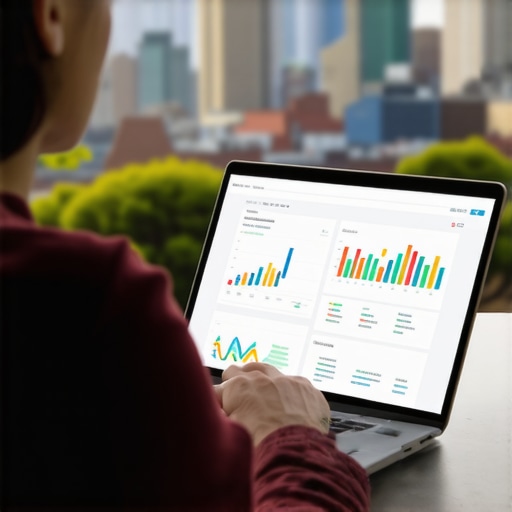
Begin by defining what success looks like for your local business. Identify key performance indicators (KPIs) such as local rankings, Google Maps visibility, and customer engagement metrics. Use an SEO KPI dashboard to visualize these goals, making it easier to track progress and adjust strategies in real time. For example, last quarter, I set a target to improve my local rankings for three main keywords, which I closely monitored through an advanced dashboard, leading to a 20% boost in visibility within two months.
Choose the Right Tools for Accurate Data
Pick maps analytics and ranking tracker tools tailored to your business size and niche. Look for features that offer real-time updates, granular keyword tracking, and comprehensive insights. I once relied on basic tools that showed only broad location data, which misled my efforts. After switching to specialized solutions—like those explained in maps analytics that elevate your local business visibility—I uncovered precise ranking fluctuations and behavioral patterns that informed my targeted optimizations.
Implement Consistent Data Collection
Set a schedule to gather data at regular intervals—daily or weekly—to capture trends and seasonality. Use your chosen tools to collect data on local rankings, GMB performance, and customer interaction metrics. Micro-story: I once noticed a sudden drop in rankings across several local queries after a Google algorithm update. Thanks to consistent data collection via GMB performance reports, I identified it was a temporary fluctuation, avoiding unnecessary panic.
Analyze and Interpret Your Data
Don’t just gather data—know how to interpret it. Use dashboards to visualize areas of strength and weakness. For instance, I discovered my map listing had low engagement rates compared to competitors. By diving into detailed maps analytics, I pinpointed that my photos and reviews were outdated. Updating these, guided by insights from your SEO KPI dashboard, culminated in a 15% increase in local click-throughs within weeks.
Refine and Adjust Strategies Based on Insights
Implement changes in your local SEO tactics and monitor how they impact your rankings. Use your ranking tracker to test new keywords, adjust for seasonal spikes, or optimize map listings. I once ran an experiment optimizing my Google My Business Q&A section based on insights from rankings analysis. The result was a sharp rise in visibility during a crucial promotional period, confirming that strategic tweaks matter just as much as initial setup.
Keep Monitoring and Improving
Local SEO isn’t a set-it-and-forget-it endeavor. Regularly review your data, compare against your KPIs, and stay updated with algorithm changes. Use comprehensive reports like those at top GMB performance and maps analytics dashboards to stay ahead. Remember, continuous improvement based on reliable data can turn local visibility from mediocre to dominant, especially with the evolving tools available in 2025.
While many local SEO practitioners focus on collecting data from GMB performance reports, ranking trackers, and maps analytics, a common misconception is that more data automatically leads to better insights. In reality, the challenge is not just about gathering information but interpreting it correctly. One of the most overlooked nuances is the difference between correlation and causation in your data analysis. For example, a rise in local rankings might coincidentally happen alongside increased website traffic, but without understanding the underlying causes—whether it’s a recent review boost or seasonal demand—you could misattribute success, leading to ineffective strategies. Experts like this comprehensive guide emphasize the importance of digging deeper than surface metrics.
Are Data Flukes Stealing Your Focus?
Another critical mistake is mistaking short-term fluctuations for long-term trends. Many marketers react impulsively to a temporary ranking drop or spike without verifying whether these changes are due to algorithm updates, competitor actions, or seasonal shifts. Relying solely on basic maps analytics or simplistic KPI dashboards can lead you to chase false leads. Instead, integrating advanced analytics—like multi-layered dashboards tailored to your specific KPIs—is essential to see the true picture. These tools help you avoid falling into traps that can derail your progress, as I’ve discussed in top KPI dashboards.
Moreover, many practitioners overlook the potential of predictive analytics within their tracking tools. By employing data models that forecast future trends based on historical behavior—similar to techniques used in expert-driven industries—you can proactively adjust your local SEO tactics before your competitors catch on. This advanced approach is detailed in this resource on rankings and maps analytics.
The real secret to mastery lies in understanding that your data is only as good as your interpretation. Combining comprehensive dashboards with an analytical mindset helps ensure you’re making informed decisions—rather than reactive ones based on superficial data patterns. Remember, the goal is to extract actionable insights that drive meaningful improvements, not just chase after every uptick or downtick. As you evaluate your system, ask whether your tools are helping you see causality clearly or just surface-level correlation. Have you ever fallen into this trap? Let me know in the comments!
Effective management of your local SEO tools is crucial for sustained growth and visibility. Once you’ve set up your ranking trackers and maps analytics dashboards, the key is implementing a routine that ensures these systems keep delivering accurate, actionable data. Regular maintenance not only preserves data integrity but also helps you adapt swiftly to changing algorithms and local market dynamics. A proven approach involves scheduled audits—weekly or biweekly—to review data consistency, update keywords, and fine-tune dashboard parameters. For instance, I dedicate time every Friday to review recent fluctuations in my GMB performance reports, ensuring my insights remain relevant. This habit prevents data drifts and keeps my strategies aligned with real-time trends. As technology advances, expect these tools to incorporate predictive analytics and AI-driven insights, allowing for even smarter long-term planning. Staying ahead requires not only using powerful tools but also maintaining them diligently and adapting your approach as new features emerge. To streamline this process, I recommend leveraging comprehensive dashboards like those discussed in this SEO KPI dashboard guide. It consolidates your key metrics, simplifies routine checks, and highlights areas needing immediate attention. How do I maintain my local SEO tools over time? I ensure I schedule regular health checks, stay updated with the latest feature releases from providers, and embed routine learning to interpret new data types effectively. For advanced results, consider integrating automation scripts that perform regular audits and report anomalies directly to your email or project management tools, freeing up your time for strategic decision-making. Remember, the longevity of your local SEO success hinges on consistent upkeep and proactive adjustments. Testing one new feature, like a predictive analytics module, can unlock significant opportunities—so don’t hesitate to start exploring these upgrades today. For tailored guidance, feel free to reach out via our contact page and share your current setup challenges.
What I Wish I Learnt Sooner About Maps Analytics and KPI Dashboards
The biggest revelation was recognizing that not all data is created equal. Early on, I believed more metrics meant better decisions, but I soon discovered that superficial figures can be misleading. The real game-changer was focusing on actionable insights—understanding *why* rankings shift rather than just *what* changed. This shift in perspective transformed my approach from reactive to strategic, emphasizing quality over quantity in data interpretation.
Another lesson was the importance of integrating predictive analytics into my daily routine. Foreseeing potential dips and spikes in local rankings allowed me to act proactively rather than reactively. It’s like having a crystal ball—advanced tools that forecast trends empower you to stay ahead of the competition in 2025’s dynamic local SEO landscape.
Finally, I learned that regular maintenance of your ranking tracker and maps analytics systems is crucial. Data drifts happen, and algorithms evolve. Consistent audits and updates ensure your insights remain relevant. This disciplined approach keeps your strategies razor-sharp and results consistent, making all the difference for sustained local visibility.
Where I Turn for Trusted Insights and Tools
My cornerstone resource remains the comprehensive guide on SEO KPI dashboards. It’s helped me simplify complex data sets into clarity-driven strategies. When selecting maps analytics tools, I rely on offerings that provide granular, real-time insights—like those discussed in maps analytics explanations. For ongoing education, industry blogs and case studies from trusted sources keep me updated on emerging trends and new features.
For organizations seeking to level up, I recommend exploring tools that offer predictive capabilities and automation—saving time while increasing accuracy. The combination of strategic resources and reliable tools is your conduit to persistent local SEO success in 2025 and beyond.
The Power of Taking Action in Your Local SEO Journey
The final piece of this puzzle is recognizing that data only serves its purpose when you act on it. The real victory lies in continuously refining your strategies based on fresh insights, not resting on past achievements. Embrace the evolving nature of maps analytics and KPI dashboards, challenge yourself to think differently, and stay committed to improvement. Your local business’s visibility depends on your willingness to adapt and learn. What’s the next step you’re excited to try? Share your thoughts below and let’s grow together.