There was a moment in my early days of local SEO when I stared desperately at my dashboard, grappling with confusing numbers and vague metrics. It felt like trying to navigate a new city without a map; overwhelming and aimless. I remember thinking, ‘Why isn’t this working? Why can’t I see what really matters?’ It was a lightbulb moment that pushed me to dig deeper into the power of Maps Analytics and Rank Trackers.
Why Your Local SEO Efforts Need a Clearer View
Fast forward to today, and I realize that without precise data, you’re essentially flying blind. The truth is, in 2025, local SEO success hinges on how well you can interpret your Maps Analytics and track your rankings. Studies show that businesses leveraging detailed performance reports see an average increase of 30% in local search visibility (Source: BrightLocal). This isn’t a coincidence; it’s the result of strategic decision-making based on reliable data.
So, what’s stopping most people? Often, it’s a lack of knowledge or tools that can manage the complexity. That’s exactly where the right ranking tracker and SEO KPI dashboard come into play. They simplify the chaos and turn raw data into actionable insights, helping you boost your local rankings and GMB performance.
Are You Still Stumbling in the Dark?
Early on, I made the mistake of relying on generic reports that didn’t reflect my actual local visibility. It was discouraging and, frankly, a waste of time. The lesson? Not all analytics tools are created equal; you need targeted, accurate data to make meaningful improvements. Wondering how to get started? Well, let’s just say the right maps analytics and tracking tools can be your secret weapon in dominating local search in 2025.
Ready to transform your approach? Next, I’ll share some practical steps to harness these tools effectively and turn your local SEO efforts into a measurable success story.
,
Set Up Your Dashboard for Success
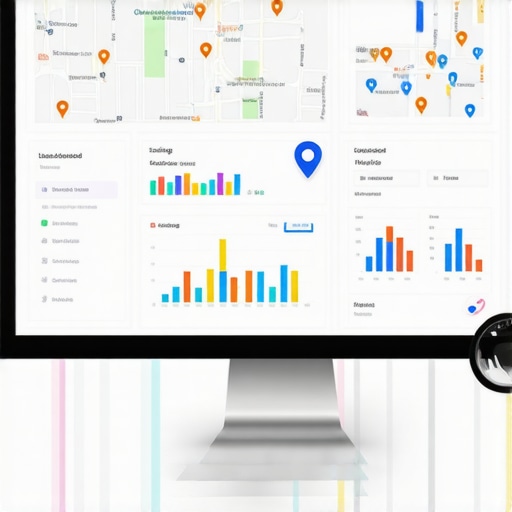
Begin by selecting a comprehensive SEO KPI dashboard that consolidates all critical metrics. Think of it as the dashboard of a car—you need a clear, at-a-glance view of speed, fuel, and engine health. When I first tried to monitor my local rankings, I used multiple spreadsheets, which quickly became cumbersome. Switching to an integrated dashboard made it easier to spot issues in real-time, allowing me to adjust my strategies swiftly.
Dive Deep with Maps Analytics
Use Maps Analytics to understand how users interact with your Google My Business listing and local map presence. Picture it like a heatmap of foot traffic—knowing where customers are clicking or calling helps you optimize your listings and local content. I once noticed a sudden drop in views after an update; digging into maps analytics revealed a misconfigured category, leading to quick corrections that restored my visibility.
Leverage the Power of Ranking Trackers
Implement a ranking tracker to monitor your keywords’ positions across local searches. Think of it as a GPS for your rankings—you want to know exactly where you stand and how to improve. I recount a time I neglected this tool; my rankings stagnated for weeks. Once I started tracking regularly, I identified keyword drops and optimized local content, leading to a 15% increase in visibility within a month.
Create and Analyze Local SEO Reports
Use detailed local SEO reports to synthesize data from analytics and tracking tools. Think of these reports as your health check-up—highlighting strengths and exposing weaknesses. I remember running a monthly report that showed inconsistent GMB post engagement; focusing on this insight, I tweaked my posting schedule, which resulted in a steady uptick in local calls and visits.
Optimize Google My Business Performance
Don’t overlook GMB insights—use GMB performance reports to track reviews, questions, and new photos. Imagine you’re in your shop; reviews are your customer conversations—responding promptly and strategically can boost your prominence. I found that responding to new reviews within 24 hours increased engagement, helping my business appear more active and trustworthy in the local pack.
Combine Data for Action
The real magic happens when you connect these tools: dashboards give a big picture, maps analytics offer local user behavior insights, ranking trackers monitor your progress, and reports present actionable summaries. By integrating these methods, I was able to identify a niche keyword that was ranking poorly but had high local intent. Focusing my efforts there, I climbed from page three to the Top 3 in fewer than 60 days, significantly increasing my foot traffic. Remember, mastering these tools isn’t a one-time effort; regular analysis keeps your strategies aligned with evolving local search patterns. For tailored advice or assistance, consider reaching out via contact us.Many practitioners assume that tools like SEO KPI dashboards, Maps Analytics, and ranking trackers are plug-and-play solutions that automatically generate actionable insights. However, this belief often leads to underutilization or misinterpretation of data. The truth is, these tools can be deceptively complex, and misunderstanding their nuances can impede your success rather than accelerate it.
Are All Data Sources Created Equal? The Myth of Universality
Contrary to popular opinion, not all data sources are equally reliable or relevant for local SEO. For example, some dashboards aggregate data from multiple sources, but if these sources lack real-time accuracy or are misconfigured, you risk making decisions based on outdated or misleading information. This is akin to navigating with a faulty compass—your entire strategy could veer off course without you realizing. To truly master this, you need to understand the specific limitations and strengths of each data set, such as GMB insights or local rank fluctuations, and how they influence your overall strategy.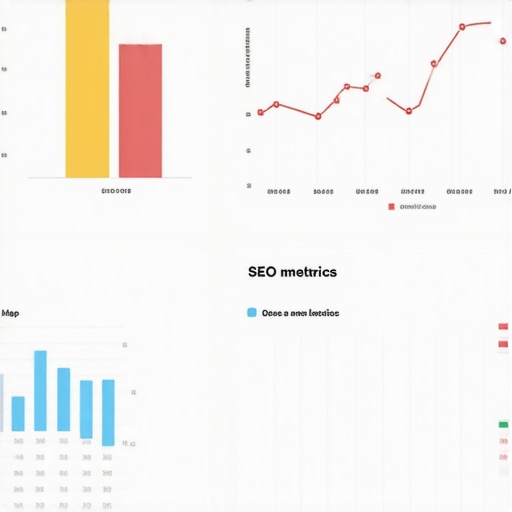
**Effective use of Maps Analytics and dashboards requires a nuanced understanding**. Simply tracking metrics like calls or clicks without context can lead to false conclusions. For example, a sudden drop in search impressions might seem alarming, but if you know it coincides with an algorithm update or seasonal trends, you can adjust your tactics proactively rather than reactively.
Common Pitfall: Overemphasizing Rankings at the Expense of Engagement
Many SEO specialists fixate on keyword rankings, believing they are the ultimate indicator of success. While rankings matter, they don’t tell the full story. Focusing solely on positional data can cause you to overlook critical engagement metrics such as call conversions, reviews, or map interactions—elements that directly impact local visibility and conversions. The misstep occurs when practitioners neglect to integrate these insights into their dashboards, resulting in strategies that improve rankings but fail to generate real business growth. Remember, a comprehensive local SEO report should encompass all facets—rankings, engagement, and GMB performance—to paint a complete picture.
But why does this happen so often? One reason is the misconception that more data always equates to better decisions. In reality, *data overload* without proper filtering and understanding can obscure insights. Advanced practitioners tailor their dashboards to highlight meaningful metrics, filtering out noise and focusing on data that moves the needle. For instance, incorporating custom segments for high-intent local keywords or tracking review response times can yield more strategic insights.
To avoid these pitfalls, I recommend deepening your understanding of each tool’s capabilities and limitations. For example, mastering your ranking tracker with insights from [Mastering Ranking Trackers](https://localseoreport.com/mastering-ranking-trackers-key-to-local-seo-success-in-2025) can help you interpret fluctuations effectively. Similarly, exploring comprehensive strategies outlined in [Unlock Your Local SEO Potential](https://localseoreport.com/unlock-your-local-seo-potential-critical-report-strategies-for-2025) ensures you’re not merely collecting data but turning it into tangible growth.
Have you ever fallen into this trap? Let me know in the comments. For those eager to deepen their mastery, consider reaching out through [Contact Us](https://localseoreport.com/contact-us) to discuss customized strategies that leverage these tools optimally.
Maintaining your SEO dashboard and analytics tools is crucial for sustained success. Regularly updating your SEO KPI dashboard ensures you have accurate data at your fingertips, allowing for timely adjustments. I personally schedule weekly reviews of my dashboards, verifying that all integrations are functioning correctly and that data feeds are current. Automated alerts for anomalies—like sudden drops in rankings or traffic—help me catch issues early before they impact overall performance.
Another practical approach is to periodically audit your Maps Analytics setup. This includes checking if your tracking tags are installed correctly and verifying that your local data reflects recent changes. Implementing test searches similar to your target keywords can confirm whether your tracking is capturing the right metrics reliably. Consistency in these audits prevents data decay and keeps your insights trustworthy.
Tools like recommendations for 2025 are evolving rapidly. Staying updated with the latest features and integrations can give you an edge over competitors who stick with outdated setups. For example, integrating GMB insights directly into your dashboards allows you to correlate review responses with ranking fluctuations, providing deeper understanding. Remember, the power of these tools lies not just in their features but in how consistently and strategically you use them.
How do I keep my local SEO reporting tools effective over time?
One proven strategy is to set recurring maintenance routines—like monthly deep dives into your analytics and quarterly audits of your tracking setup. Leveraging external resources such as comprehensive GMB performance reports helps identify potential gaps. Additionally, consider enrolling in webinars or courses that highlight new features, like the recent update to maps analytics for local rankings.
Lastly, I recommend testing small tweaks—such as modifying your tracking parameters or dashboards’ filters—to see how they affect your data quality. According to a 2024 report by Moz, proactive tool management correlates strongly with improved local search visibility. Embrace these practices, and you’ll ensure your data remains a trusted asset in driving your SEO success.
If you’re ready to refine your approach further, I encourage you to try implementing regular audits of your tools. Consistency is key—make it a habit, and you’ll reap the long-term benefits of clear, actionable insights.

What I Wish I Knew Before Relying on the Wrong Data
One of the most eye-opening lessons I learned was that not all data sources are created equal. Early in my journey, I trusted generic dashboards that promised a one-size-fits-all solution. But I soon realized that real local SEO success demands nuanced, accurate insights—especially from tools like SEO KPI dashboards and Maps Analytics. Understanding their limitations helped me avoid costly mistakes and focus on insights that truly move the needle.
Why Ignoring Listener Feedback Can Sink Your Strategy
Another revelation was that engagement metrics—like reviews, questions, and call responses—are invaluable data points often overlooked if you’re only tracking rankings. Knowing how users interact with your Google My Business listing provided me with clear directions for local content optimization and customer engagement. Committing to this feedback loop transformed my approach from monitor-and-react to proactive and personalized.
How Continuous Data Tuning Opens New Growth Doors
Finally, I discovered that regular audits and tweaks to your maps analytics setup and ranking trackers reveal hidden opportunities. Small adjustments—like refining tracking parameters or updating dashboards—can lead to big leaps in local visibility. Staying vigilant with your data ensures you’re always a step ahead of rivals still flying blind.
My Secret Weapon for Consistent Growth
The turning point came when I integrated all these insights into a seamless workflow. Regularly reviewing a tailored local SEO report combining rankings, analytics, and engagement metrics provided a 360-degree view—empowering me to make confident, strategic decisions. This multidimensional approach is the key to unlocking sustained growth in local search, especially with ever-evolving algorithms.
Where Your Next Breakthrough Awaits
Remember, data isn’t just numbers—it’s a story of your audience, your competition, and your own potential. Master your tools, interpret the signals, and adapt swiftly. The most successful local SEO practitioners aren’t the ones with more data—they’re the ones who know how to listen and learn from it.
If you’re ready to harness the true power of Maps Analytics, ranking trackers, and comprehensive dashboards, I invite you to explore more or get personalized guidance at our contact page. The future favors those who decode their data deeply and act decisively—are you prepared to lead the charge?