
I vividly remember a moment when I thought I had my local SEO strategy nailed. I had optimized my Google My Business (GMB) profile, tracked rankings manually, and hoped for the best. Yet, one day, I checked my business’s online visibility and was stunned — my rankings had dropped, and I didn’t even realize it until it was too late. That lightbulb moment hit hard. Without proper, data-driven insights, I was flying blind in a competitive local market. If you’ve faced similar frustrations, you’re not alone. Many entrepreneurs struggle with understanding what truly impacts their local search performance and how to make informed decisions to boost visibility.
Why Tracking Your Maps Analytics and GMB Performance Matters More Than Ever
In today’s fiercely competitive local landscape, relying on guesswork just doesn’t cut it anymore. Google’s algorithms are constantly evolving, and so are customer behaviors. Without a comprehensive view of your Maps analytics and GMB insights, you might be missing out on valuable opportunities to connect with nearby customers. The good news? There are proven tools and strategies that can shed light on your performance, helping you adjust your tactics in real-time. As I learned the hard way, not tracking the right metrics can lead to wasted effort and lost revenue. That’s why investing in a solid Maps analytics setup and monitoring your GMB performance is essential for any local business aiming for growth.
But what exactly should you be tracking? How do you interpret the data? And how can you leverage these insights to outperform competitors? These questions are at the heart of successful local SEO strategies. Stay tuned, because I’ll walk you through the essential steps to harness these powerful tools and turn data into your secret weapon for local dominance.
Is Tracking Local Search Performance Overhyped?
I used to think so — until I made a costly mistake early on. I focused solely on rankings, ignoring the broader picture. I overlooked how customer engagement metrics and search behavior influence my visibility. That mistake taught me that without a comprehensive SEO KPI dashboard, I was flying blind. Now, I know that tracking the right metrics isn’t just helpful; it’s vital for making strategic decisions that fuel growth. If you’re still skeptical, ask yourself: Are you sure your current approach is giving you the full story? Or are you just guessing what works? The truth is, without reliable data, your local SEO efforts are just shots in the dark. So, let’s get serious about tracking and turn your local visibility around.
Set Up Your Data Collection Tools Correctly
Start by choosing reliable tools that integrate with your local SEO strategy. A comprehensive Maps analytics platform will give you insights into how your business appears in local searches and maps. When I first set this up for my shop, I focused on connecting my GMB account to a dashboard that consolidates all metrics. This initial step is crucial because it transforms raw data into actionable insights, saving you hours of manual tracking.
Identify Key Metrics That Matter
Don’t get overwhelmed by every metric available. Focus on core indicators like search visibility, customer actions (calls, direction requests), and engagement levels. Think of these as the vital signs of your local SEO health. For example, I monitored the number of direct visits from GMB insights, which correlated strongly with my local rankings. Use a SEO KPI dashboard to keep your focus sharp and avoid data overload.
Track Your Rankings Consistently
Implement a rank tracker that monitors your position for essential local keywords. I recommend using a ranking tracker that updates daily and offers historical data. When I started using one, I set up alerts for significant drops or spikes, which helped me react swiftly rather than waiting for monthly reports. Remember, rankings fluctuate, but consistent tracking reveals trends and opportunities.
Analyze Your Google My Business Performance
Leverage GMB performance reports to understand how your profile influences local visibility. These reports highlight search queries, customer actions, and photo views. I once noticed a decline in profile visits after a photo update, prompting me to optimize visuals further. Use insights from GMB performance reports to refine your listings and attract more local customers.
Regularly Review and Adjust Your Strategy
Schedule weekly or bi-weekly reviews of your data to identify patterns and make informed adjustments. For instance, if a specific keyword’s ranking improves after a local review campaign, double down on that tactic. I kept a simple spreadsheet linked to my analytics dashboard, making it easy to track changes over time and avoid guesswork. This disciplined approach ensures your efforts are data-driven and continuously optimized.
Combine Insights for Full Picture Analysis
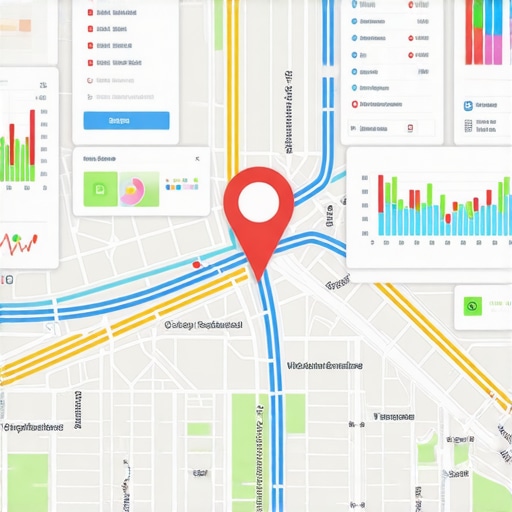
Integrate data from your maps analytics, GMB reports, and ranking tracker into an SEO dashboard. This unified view simplifies decision-making and highlights areas needing improvement. I found that visual dashboards helped me quickly see correlations — for example, how increased photo views led to more calls. The key is to keep all your insights aligned for strategic growth.
Stay Updated on Local SEO Trends
Local SEO is dynamic. Regularly consult authoritative resources like strategic reports and industry blogs to adapt your tracking and tactics accordingly. I make it a habit to review new features and tools quarterly, which keeps my strategy fresh and competitive.
< >
>
Many local SEO practitioners fall into the trap of oversimplifying their approach to maps analytics, GMB performance reports, and ranking trackers. They often believe that tracking basic metrics like rankings or review counts alone can lead to sustained growth. However, the real game lies in understanding the nuanced data that most overlook. For example, relying solely on keyword rankings can be misleading because it ignores user engagement metrics such as click-through rates, which are crucial indicators of visibility and interest. Advanced analytics platforms reveal that a high rank with low engagement suggests poor relevance or user experience, which can hurt your long-term performance. Let’s dig deeper into what most overlook.
One widespread myth is that GMB insights are only useful for tracking reviews and call volume. In reality, GMB performance reports provide a wealth of hidden data points like search queries, photo views, and direction requests that, if analyzed properly, can reveal what local customers truly care about. For instance, a sudden spike in photo views might indicate that visual content significantly influences customer decisions, prompting you to optimize your visuals further. GMB reports are more than just basic metrics; they are strategic tools for engaging your audience effectively.
Are You Missing Out on These Critical Data Points?
Another misconception is that a comprehensive SEO KPI dashboard is only for large enterprises. In fact, small local businesses can benefit immensely from customized dashboards that highlight specific user actions like direction requests or calls, which are stronger conversion signals than rankings alone. This leads to a common mistake: focusing on rank tracking without correlating it with actual customer actions. For example, a business might see rankings drop but experience an increase in direct calls, indicating that their overall visibility and engagement are improving despite the rankings. Understanding this complexity requires a sophisticated approach to analytics.
Moreover, many forget that effective maps analytics go beyond surface-level metrics. Advanced analysis involves segmenting data by device, time of day, and search intent to uncover patterns. This allows you to refine your local SEO strategies dynamically, instead of relying on static reports. Ignoring these nuances could lead to misguided efforts that waste resources on low-impact activities.
Finally, a trap worth avoiding is the assumption that data collection tools are foolproof. Privacy policies and data restrictions are evolving rapidly. For example, recent changes in privacy policies limit some data access, which can falsely suggest a decline in performance if not properly understood. Always verify your data sources and stay updated on policy changes to ensure your analytics are accurate and actionable.
In summary, the hidden nuance in local SEO analytics is that success depends on interpreting the right data points in context. Don’t fall for the myth that rankings alone are enough or that basic reports tell the whole story. Instead, leverage sophisticated dashboards, dive deep into user engagement metrics, and stay vigilant about policy changes. Have you ever fallen into this trap? Let me know in the comments.
Keeping your local SEO efforts consistently effective requires more than just initial setup; it demands ongoing maintenance, strategic use of powerful tools, and proactive adjustments. From leveraging sophisticated analytics platforms to fine-tuning your dashboards, the right approach ensures your visibility remains strong amidst ever-changing algorithms and competition.
One of the most valuable tools I personally rely on is a comprehensive SEO KPI dashboard. It consolidates all vital metrics—search visibility, customer actions, engagement levels—into a single, intuitive interface. This allows me to monitor performance at a glance and quickly identify areas that need attention. The trend points to an increasing importance of integrating multiple data sources into unified dashboards, which I believe will become even more critical in the coming years as local SEO becomes more data-driven.
Another game-changer is using a ranking tracker that updates daily. Regular monitoring of your local keyword positions helps catch fluctuations early, enabling swift reactions to algorithm changes or competitor moves. I highly recommend setting up alerts for significant ranking drops or spikes—this proactive approach has saved me from losing valuable visibility and revenue.
To ensure your GMB performance reports remain relevant, routinely analyze the search queries, photo views, and customer actions they highlight. These insights reveal exactly what your local customers are searching for and engaging with, guiding your content and visual strategy. For example, I discovered that optimizing photos based on GMB insights increased my profile visits significantly, a tactic I now implement regularly.
Maintaining your local SEO also involves periodic review of your maps analytics. Segmenting data by device type, search intent, and time of day uncovers deeper patterns. This detailed analysis helps refine your tactics dynamically, rather than relying on static reports. As privacy policies evolve—highlighted in privacy policy updates—staying informed about data access limitations is crucial to maintaining accurate measurements.
To stay ahead, I advise setting up a performance tracking system that combines all these insights into an actionable overview. Visual dashboards that integrate rankings, GMB metrics, and maps analytics make it easier to identify correlations and opportunities. This holistic view has been instrumental in maintaining my local rankings and engagement levels over time.
Looking ahead, the trend points toward increased automation and AI-driven analytics. Tools that can predict performance trends and suggest optimizations will become standard, reducing manual effort and enabling more precise strategies. I recommend trying out advanced dashboards and ranking trackers now to build a resilient local SEO system capable of adapting to future changes.
Ready to elevate your local SEO maintenance? Start by implementing a comprehensive analytics dashboard and set up daily ranking alerts. These small but powerful steps will set you apart from competitors and keep your visibility thriving long-term.
The Costly Lessons I Learned About Local SEO Data
One of the toughest lessons I faced was realizing that focusing solely on rankings was a mistake. I ignored vital engagement metrics like clicks and direction requests, which ultimately gave me a skewed view of my true local visibility. This taught me that a comprehensive SEO KPI dashboard is essential to capture the full story and avoid costly blind spots.
How I Discovered the Power of Deep Data Segmentation
Initially, I looked at maps analytics at a surface level, missing out on patterns hidden in device types and search times. Once I started segmenting data more granularly, I uncovered trends like peak search hours and device preferences, which allowed me to optimize my content and ad timing. This insight made me realize that advanced analytics are not optional—they’re the key to staying ahead in local SEO.
Why Relying on Basic Metrics Is a Trap
Many local businesses fall into the trap of obsessing over reviews or call volume alone. But insights from GMB performance reports reveal much more, such as search queries and photo views. These data points tell you what your customers are actually interested in, enabling smarter decisions about visuals and keywords, which can significantly boost your visibility.
My Top Tools for Mastering Local SEO Analytics
Over the years, I’ve come to rely on a few tools that deliver real value: Maps analytics platforms for tracking visibility; ranking trackers for real-time position updates; and dashboard solutions that consolidate all data points. These tools have transformed my strategy from reactive to proactive.
Encouragement to Take Action Today
Don’t wait to uncover your own hidden insights. Start integrating sophisticated maps analytics, GMB reports, and ranking tools today. The future of local SEO is data-driven, and those who leverage deep analytics now will dominate tomorrow. Your local visibility depends on it. Ready to elevate your strategy? Dive into these resources and see the difference for yourself!
What’s the biggest challenge you face in understanding your local SEO data? Share your experience in the comments below—I’d love to hear your story!

This post really resonates with my own experience in local SEO. I used to focus heavily on rankings alone, but I quickly learned that ignoring customer engagement metrics, like clicks, direction requests, and photo views, can be a costly mistake. The detailed insights from GMB reports, especially regarding what customers are actually searching for and engaging with, are game-changers. I recall during a recent campaign, analyzing photo views helped me understand the importance of visual content, which led me to optimize my images further. Have others seen a significant boost in visibility just by improving visuals based on GMB insights? I believe combining these data points with regular tracking of rankings and actions creates a much clearer picture of what’s truly impacting local visibility.