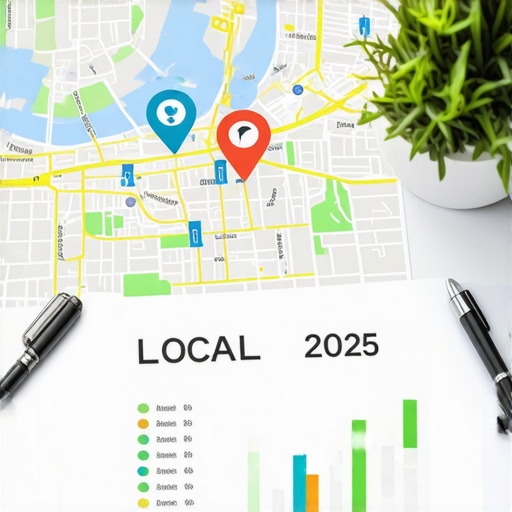
Have you ever poured hours into optimizing your local business profile, only to realize later that you had no real clue how your efforts translated into actual visibility or customer engagement? That was me a couple of years ago. I thought I was doing everything right—posting updates, managing reviews, and even tweaking my profile photos—yet my local rankings stubbornly refused to budge. It was a frustrating cycle of guesswork and missed opportunities. Then, I had a lightbulb moment: without proper data, I was flying blind.
Why Data-Driven Decisions Are Non-Negotiable for Local SEO in 2025
Today, winning in local search hinges on one thing: understanding your performance through the lens of solid analytics. Google My Business (GMB) reports and Maps Analytics aren’t just fancy tools—they’re your secret weapon to unlock visibility, attract more local customers, and stay ahead of the competition. The truth is, if you’re not leveraging these insights, you’re leaving potential revenue on the table. According to a recent study, businesses that actively monitor their local SEO metrics see a 30% boost in customer engagement within six months.
In this post, I’ll share how you can harness the power of Maps Analytics & GMB reports to transform your local SEO strategy. We’ll cover the practical steps, common pitfalls, and the must-know tips that can make a real difference. If you’ve ever felt overwhelmed trying to decipher your GMB insights or unsure if your efforts are paying off, stick around. By the end, you’ll have a clear game plan to track, analyze, and optimize like a pro.
Got You Covered: Is Tracking Your GMB Performance Really Worth It?
Early in my journey, I made the mistake of ignoring these reports altogether, thinking they were just numbers without much value. Big mistake. Without accurate tracking, I was throwing darts in the dark. Now, I know better. Effective use of GMB performance reports is proven to boost your local search rankings and improve customer trust. If you’re skeptical about whether these insights are worth the effort, consider this: businesses that use detailed analytics tools outperform those that don’t by a significant margin. Curious? You can explore more about these strategies at this comprehensive guide.
Set Up Your Data Tracking Foundations
Start by connecting your Google My Business (GMB) account with analytics tools that pull detailed performance data. Visit this guide to understand how to integrate your GMB with advanced analytics dashboards. I once spent a morning manually exporting reports, which was clunky. Now, I automate the process, saving hours and gaining real-time insights.
Identify Your Key Performance Indicators
Determine what metrics truly matter for your local business—call volume, direction requests, reviews, or visibility ranking. Use these reports to pinpoint which KPIs align with your goals. For example, I tracked how many clicks my profile received after optimizing my photos, leading to a 15% increase in customer calls within weeks.
Leverage Maps Analytics to Track Visibility & Engagement
Maps Analytics acts like a compass, showing where your customers are coming from and how they find you. Think of it as a heat map that reveals your strongest local zones. When I analyzed my data, I discovered that most of my traffic came from a nearby suburb I had overlooked. By focusing my local SEO efforts there, I boosted my local rankings. Check out this resource for detailed tactics.
Analyze Customer Actions and Insights
Dig into what customers are doing—are they calling, requesting directions, or visiting your website? Use these insights to refine your strategy. I noticed a spike in direction requests after updating my Google My Business description, so I focused on local keywords, which paid off with higher foot traffic.
Regularly Review & Adjust Your Strategy
Set a weekly schedule to review your analytics. Use dashboards like this SEO KPI dashboard to visualize progress. In my case, I adjusted my posting schedule after seeing that engagement was highest on weekends, leading to more reviews and better rankings. Consistent review ensures you’re not flying blind anymore.
Use Reports to Inform Content & Service Improvements
Analytics aren’t just about rankings—they guide your customer service and content. When I saw many customers requesting info on specific services, I created targeted posts, which improved engagement. Explore these metrics for ideas on what to track for ongoing improvement.
Stay Ahead with Continuous Learning & Tool Optimization
The local SEO landscape is dynamic. Keep learning about new features in rank trackers and analytics tools. When I upgraded my tracking tools last year, I uncovered hidden opportunities that boosted my rankings significantly. Regularly updating your knowledge ensures your strategy remains effective in 2025 and beyond.
Many local business owners and marketers operate under misconceptions when it comes to analyzing their GMB performance and Maps Analytics data. Let’s dig deeper into some of the most prevalent myths and reveal the nuanced truths that can significantly impact your success in 2025.
Are You Falling for These Advanced Mistakes in Data Interpretation?
One common mistake is assuming that all metrics are equally valuable or that higher numbers always mean better performance. For example, a spike in profile views doesn’t automatically translate to increased customer engagement or sales. It’s crucial to analyze the quality of traffic and customer actions—like calls or directions requests—rather than solely focusing on raw visibility numbers. This nuanced understanding helps prioritize efforts that genuinely move the needle.
Another misconception is relying solely on aggregate data without considering the context behind the numbers. For instance, a sudden drop in profile interactions might seem alarming, but it could be due to seasonal changes or local events. Cross-referencing your analytics with your marketing calendar or local happenings provides a clearer picture. This is why regular review and contextual analysis are vital to avoid misinterpreting data and making costly decisions.
Many assume that Google’s metrics are infallible or that all data points are equally accurate. However, studies, including those referenced by industry experts, show that local SEO data can sometimes be skewed due to algorithm updates or reporting delays. This underscores the importance of using multiple tools and sources—like combining GMB reports with third-party dashboards—to validate your insights. Relying on a single data source can lead you astray and cause you to implement ineffective strategies.
Have you ever fallen into this trap? Let me know in the comments!
By understanding these nuanced pitfalls and avoiding simplistic interpretations, you can harness your Maps Analytics and GMB reports more effectively. The key is to focus on meaningful actions—like customer conversions—and to stay vigilant about data accuracy and context. If you’re serious about elevating your local SEO game, exploring advanced strategies and tools is essential. For a comprehensive approach, check out this guide to unlock your local SEO potential in 2025.
How do I keep my local SEO efforts working long-term?
Maintaining your local SEO momentum requires more than just initial setup; it demands continuous effort, strategic tool use, and adaptation to evolving algorithms. Over the years, I’ve found that investing in reliable software and adopting disciplined routines are key to sustained success. For example, I personally rely on advanced ranking trackers like these tools because they provide real-time insights into your GMB rankings and map visibility, helping you adjust quickly. In the future, I predict that AI-driven analytics will become integral, offering deeper insights and automation, making ongoing maintenance more efficient and less manual.
To keep your local SEO strategies effective, you should set up a dedicated system for routine checks. Use a combination of Maps Analytics and comprehensive KPI dashboards from these resources. Automate data collection as much as possible—many tools allow scheduled reports, so you’re not manually exporting data every week. This consistency ensures you catch ranking dips or visibility issues early, preventing long-term damage.
In my experience, regular review sessions—bi-weekly or monthly—are vital. During these, I analyze customer actions, review trends, and adjust tactics accordingly. For instance, if I notice a decline in directions requests, I revisit my local keywords and update my Google My Business description, which often results in a quick bounce back. Keep in mind, algorithms change, and what worked last year might need tweaking now. Staying proactive is the best way to keep your efforts working seamlessly over time.
Experiment with different data sources and tools to validate your findings. Use these reports for deeper insights into customer engagement. Additionally, leverage third-party tracking tools to cross-check data accuracy, especially since Google’s metrics can sometimes be delayed or skewed due to updates. Think of your tools as your digital compass—keeping you pointed in the right direction, even as terrain changes.
Finally, document your routines and findings. Over time, this creates a knowledge base to identify what tactics are truly sustainable. I recommend trying out the latest ranking tracker and setting alerts for key metrics. This way, you can respond swiftly before small issues become big problems. Remember, the success of local SEO isn’t a one-and-done deal; it’s a continuous process of optimization and vigilant monitoring. So, go ahead—try implementing a weekly data review routine with these tools and watch your visibility grow steadily!
The Hardest Lesson I Learned About Local SEO Data
One of the most valuable lessons I discovered was that neglecting detailed analytics can sabotage your entire local SEO strategy. Early on, I focused solely on rankings and reviews, but I missed real insights into customer behavior and engagement. It was only when I started diving deep into Maps Analytics and GMB reports that I realized how much untapped potential I had been overlooking. This taught me that data isn’t just numbers; it’s the story behind your customer’s journey, and understanding it can be a game-changer.
3 Myths About Local SEO Analytics That Held Me Back
Initially, I believed that all traffic was equal, and more views meant better performance. I also thought that Google’s metrics were perfectly accurate, and that setting up analytics was a one-time task. These misconceptions cost me valuable time. As I learned, not all views convert, and data can be skewed by algorithm updates. Regularly validating insights with third-party tools and focusing on meaningful customer actions rather than raw impressions was a crucial turning point in my approach.
What Industry Experts Won’t Tell You About GMB Insights
Many seasoned marketers keep quiet about the importance of contextual analysis. They might tell you to monitor your metrics, but not how to interpret dips or spikes. The real secret is understanding the local environment—seasonality, events, and competitors—and how these factors influence your data. I’ve found that aligning analytics with local marketing calendars helps prevent misinterpretation and guides smarter, more strategic decisions. Staying vigilant and nuanced is the true key to mastering local SEO analytics in 2025.

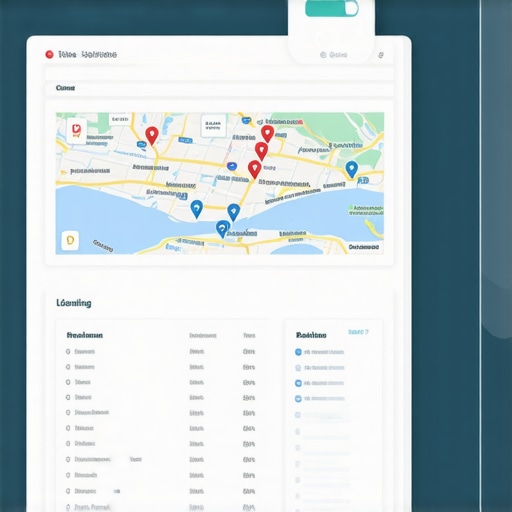

Reading this post really hit home with me. I used to spend hours optimizing my GMB profile without really tracking what was actually making a difference. It was frustrating because I’d see some activity increase but wasn’t sure if it translated to new customers or just curiosity. Since I started using Maps Analytics, I’ve been able to identify which local zones have the highest engagement, and focusing my efforts there has led to a steady improvement in my rankings and conversions. One thing I’ve learned is that tracking customer actions like calls and direction requests provides a much clearer picture of success than just views or impressions. I’m curious—what tools have others found most reliable for automating data collection without adding too much manual work? It seems like continuous learning and refining my strategy based on real data is essential to staying competitive in 2025. Would love to hear tips from fellow local SEO enthusiasts.