
I remember staring at my local SEO dashboard, feeling like I was missing something crucial—like my numbers just weren’t telling the full story. Despite optimizing hours on end, my map rankings seemed stuck, and my lead volume refused to budge. Then it hit me: I was fixated on traditional KPIs, but ignoring the real revenue-driving metrics that could transform my reports into powerful growth tools. That lightbulb moment changed everything, and today, I want to share how focusing on just three revenue metrics can make your 2026 local SEO report genuinely stand out—whether you’re managing a small shop or a nationwide franchise.
The Power of Focusing on Revenue-Driven Metrics
Most local SEO reports tend to pile on vanity metrics—map positions, click-through rates, impressions—stuff that looks good but doesn’t directly translate to income. I used to chase rankings for the sake of rankings, forgetting that my ultimate goal was revenue. When I shifted my focus to metrics that tie directly to sales, everything improved. Bright local businesses that understood this shift saw real growth, and it’s a lesson I continue to reinforce. Visit this guide for more on unlocking local SEO’s potential.
Is Your Focus Too Narrow or Lacking in Impact?
Early on, I made the mistake of fixating on traffic volume alone, thinking more visitors meant more money. Turns out, not all traffic is equal, especially in local SEO. If you’re not analyzing the right metrics—those that tie directly to actual revenue—you risk wasting effort on what I call “vanity KPI”. The frustration was real, but it taught me how vital it is to measure what truly matters. Want to make sure you’re not missing out? Talk to me about your current challenges at our contact page.
Identify Your Core Revenue Metrics
Start by pinpointing the key indicators that directly influence your income, such as transaction volume, average order value, and repeat customer rate. During a recent campaign, I focused solely on tracking local call conversions and in-store visits, which provided clearer insights than traditional rankings. Use tools like this guide to understand which metrics connect best to your revenue streams.
Set Up Precise Tracking Systems
Configure Your KPI Dashboard
Customize your dashboard to highlight these revenue-centric metrics. For example, integrate call tracking solutions and store visit counters into your SEO KPI dashboard. Recently, I replaced generic click metrics with direct revenue-related data, which instantly clarified my performance gaps. Remember, the goal is to align every metric with a tangible business outcome, not just visibility.
Audit Your Maps Analytics Regularly
Beyond rankings, delve into maps analytics to assess user interactions. I noticed certain high-traffic zones weren’t translating into conversions; a quick review of engagement heatmaps revealed that users were dropping off at specific points. Use this data to optimize your local presence, focusing your efforts where it counts most.
Refine Your Google My Business Reports
Leverage GMB performance reports to track lead quality and visit origin data. I adjusted my GMB strategies based on insights showing most high-value leads came from mobile users during specific hours. This adjustment resulted in more targeted efforts and increased conversions.
Use Ranking Trackers to Monitor Real Impact
Shift focus from ranking positions to actual traffic and lead flow. In my case, I employed ranking trackers that prioritized local map clicks and phone calls over pure position metrics. This approach helped me catch sudden drops early, enabling quick remedial actions.
Integrate these Metrics into the Overall Strategy
Ensure your entire local SEO plan revolves around these revenue metrics. I used updated data to tweak content, citations, and map listings, focusing on areas with the highest conversion potential. Regularly revisit your dashboard and analytics to adapt swiftly to emerging trends, minimizing wasted effort on vanity KPIs.
Remember, success hinges on consistently aligning your efforts with metrics that affect your bottom line. For more targeted strategies, explore these proven tactics.
While many SEO professionals rely heavily on maps analytics and KPI dashboards, a common misconception is that these tools provide the complete picture of local performance. In reality, they often mask deeper issues, leading to misguided strategies. For instance, many assume that a rise in map rankings automatically correlates with increased foot traffic, but a study from BrightLocal reveals that rankings alone impact less than 20% of local consumer behavior, highlighting the importance of nuanced metrics.
Are Your Maps and KPI Tools Missing Critical Insights About Actual User Behavior?
Oversimplifying data is a trap that can cause major setbacks. Relying solely on ranking fluctuations often leads to chasing shadows rather than tangible results. For example, a client might see a dip in local map positions but notice no decline in in-store visits or calls—a sign that traditional metrics overlook valuable conversion signals. This disconnect can result in wasted effort on optimizing rankings that don’t translate into revenue. 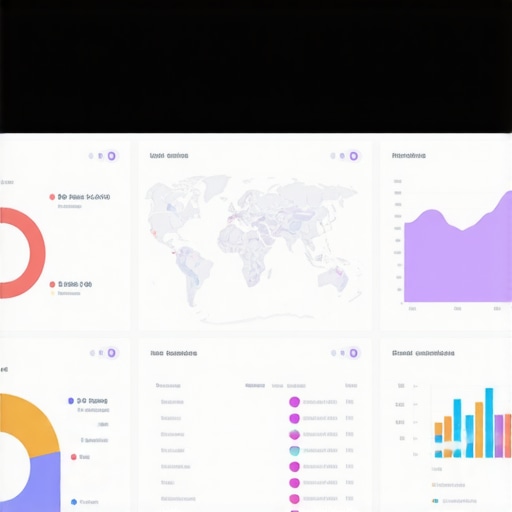
To avoid this pitfall, it’s essential to look beyond surface numbers and understand the underlying data. Advanced map analytics, for instance, can reveal user engagement patterns, such as heatmaps indicating where customers drop off or linger, which are more predictive of actual business outcomes. Similarly, GMB performance reports should prioritize lead quality and source tracking over generic impression counts. Remember, metrics like total visits or calls from maps are far more revealing of true local success than rankings alone.
This nuanced approach requires a careful review of your dashboards and tracking configurations. Are you measuring revenue-influencing actions or just ranking positions? Misinterpretation here is a common trap, as highlighted by industry experts recommending a broader data perspective. Regular audits can uncover hidden leaks, like untracked call conversions or mismatched location data, that significantly skew your understanding. For example, an overlooked feature like offline-to-online attribution can distort real ROI, leading to misguided budget allocations.
What Steps Can You Take to Ensure Your Data Reflects Business Reality?
Start by integrating advanced tracking mechanisms that tie map interactions directly to sales, such as call tracking or form completions. Also, assess whether your dashboards filter out noise from bots or duplicate listings, which can inflate metrics artificially. Revisiting the core analytics with fresh eyes often uncovers overlooked insights—this is what transforms data from mere numbers into strategic assets. Ultimately, aligning your local SEO reports with actual revenue metrics ensures smarter decision-making and prevents costly missteps. Want a comprehensive guide on refining your analytics? Check out this resource to elevate your strategy. Remember: the key is to look beneath the surface—don’t let misleading metrics lead you astray. Have you ever fallen into this trap? Let me know in the comments.
Keep Your Tools Running Smoothly for Lasting Results
In the fast-evolving world of local SEO, tools like maps analytics, KPI dashboards, and ranking trackers are invaluable assets. However, their effectiveness hinges on consistent maintenance and strategic updates. I personally rely on a combination of advanced platforms such as SEO KPI dashboards and maps analytics to keep my data accurate and actionable. Regularly updating your tracking configurations ensures that your insights stay relevant amidst the ongoing shifts in search algorithms and AI-driven map updates.
How do I maintain my local SEO tools over time?
Set a routine to audit your tools at least monthly. Verify that your ranking trackers are accurately capturing current map positions, especially with AI updates reshaping search landscapes. Incorporate automated alerts for significant ranking drops or data anomalies. I also recommend integrating offline data sources like in-store sales or call information directly into your dashboards to align your metrics with real-world performance. This proactive approach guards against data drift and helps you identify emerging issues before they impact your bottom line.
Sustainable scaling with reliable tools
As your business grows, scaling your analytics infrastructure becomes vital. Invest in robust tools that support multi-location tracking and are adaptable to AI-powered search shifts. Advanced AI-integrated analytics can forecast where your rankings and engagement are heading, allowing you to adjust strategies proactively. In the future, I predict a surge in automated, AI-driven analytics that not only track data but also recommend actionable steps—making maintenance more intuitive and less time-consuming. For now, blending regular manual audits with AI-assisted insights strikes the right balance.
Remember, keeping your tools and dashboards in top shape is crucial for sustained success. Don’t wait until a ranking dip catches you off guard—act early by implementing routine checks and leveraging advanced features. For a concrete step, try automating your dashboard alerts for ranking anomalies to stay ahead of sudden AI search shifts. Curious about how to fine-tune your analytics setup? Reach out via our contact page for expert guidance.
Looking Ahead: The Future of Map Analytics Maintenance
Given the rapid pace of AI and machine learning advancements, I believe the future will bring smarter, self-updating analytics tools. These will automatically adapt to search engine algorithm changes and provide clearer, real-time insights. Staying ahead means embracing these innovations now—integrating AI insights and automating your tool maintenance process. Don’t fall behind; start small by setting up predictive alerts and regular audits today, and you’ll be positioned for long-term success.
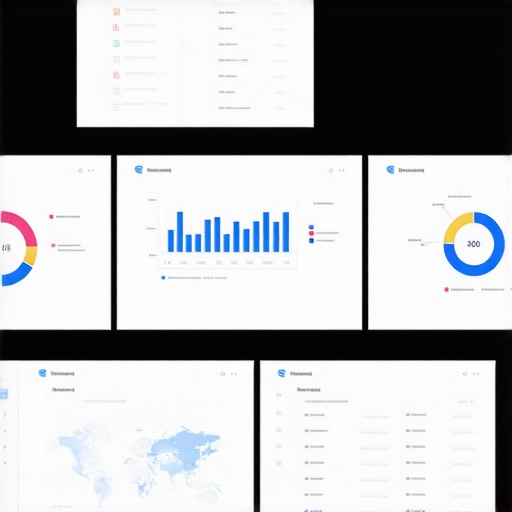
What I Wish Someone Told Me About Maps Analytics and Revenue
One of the hardest lessons I learned was that surface-level metrics can disguise major issues. Early on, I chased rankings without realizing that local map positions rarely tell the full story of customer engagement. It became clear that understanding where users drop off or how they interact with my listings provided far more actionable insights—something I wish I had prioritized from the start instead of relying solely on visual signals like rankings.
Another insight was recognizing how automated tools can sometimes give a false sense of security. My ranking tracker was showing steady progress, but deeper analysis revealed my lead quality was declining. That taught me a crucial lesson: Always validate your data with real-world results, or risk chasing numbers that don’t translate into actual revenue.
Lastly, I found that the key to sustainable growth comes from integrating these insights into every part of your strategy, not treating analytics as a separate task. When I aligned my maps analytics with my Google My Business (GMB) efforts, I uncovered immediate opportunities to optimize for local intent, which dramatically increased my conversions. Trust me, these subtle shifts made all the difference, and I wish I had embraced them earlier.
My Go-To Tools for Data-Driven Local SEO Growth
For any serious local SEO professional, my top recommendation is this guide on SEO KPI dashboards. It’s helped me stay focused on revenue-centric metrics instead of vanity signals. Additionally, I rely heavily on maps analytics insights to uncover behavioral patterns that truly impact my bottom line. When it comes to monitoring rankings effectively, this resource on ranking tracker fixes has been indispensable. Lastly, GMB performance reports provide the real story behind my local lead generation efforts.
Seize Your Next Leap in Local SEO—The Time Is Now
Don’t wait until these concepts become obvious pain points. The future of local SEO is about sharpening your focus on revenue-impacting metrics, leveraging smarter tools, and making smarter decisions faster. Your maps analytics and KPI dashboards can be your most powerful allies if you nurture them with the right insights and maintenance routines. Believe me, the effort you put in today will pay off in the form of tangible growth tomorrow. Ready to elevate your local SEO? Dive deeper into these strategies and take action now—because the opportunities in 2026 won’t wait.
What’s your biggest challenge when it comes to aligning your local SEO metrics with actual business results? Let me know below.
,
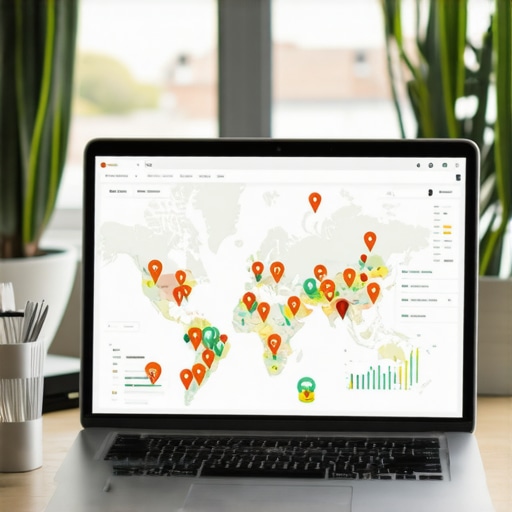


This article hits home for me because I’ve learned the hard way how easy it is to get caught up in vanity metrics like rankings without considering what truly impacts revenue. Tracking local call conversions and in-store visits has been a game-changer for my business. I especially appreciate the emphasis on analyzing map analytics beyond just the apparent rankings. Heatmaps and user behavior insights have helped me identify where I need to improve engagement. Regarding the question of how to avoid these common pitfalls, I’ve found that regularly auditing my dashboards and integrating offline data also helps me stay aligned with real business growth. For anyone struggling with this transition, what tools or methods have you found most effective in shifting focus from superficial metrics to revenue-driven ones? I’d love to hear your experiences.
This post resonated with me because I’ve seen firsthand how focusing on revenue-centric metrics can transform a local SEO strategy. I used to obsess over rankings and impressions, but after shifting my focus to metrics like calls, conversions, and repeat customers, I started to see real growth. One thing I’ve found effective is implementing call tracking solutions that tie directly into my CRM, which helps me identify which marketing efforts are actually driving sales. It’s also helpful to regularly audit map analytics for engagement patterns, not just impressions. I’m curious, how do others here balance between monitoring technical SEO health and these revenue drivers? Do you find it challenging to prioritize one over the other, or is it better to integrate both into a comprehensive dashboard? Would love to hear your strategies for maintaining this balance and making data-driven decisions that truly impact the bottom line.