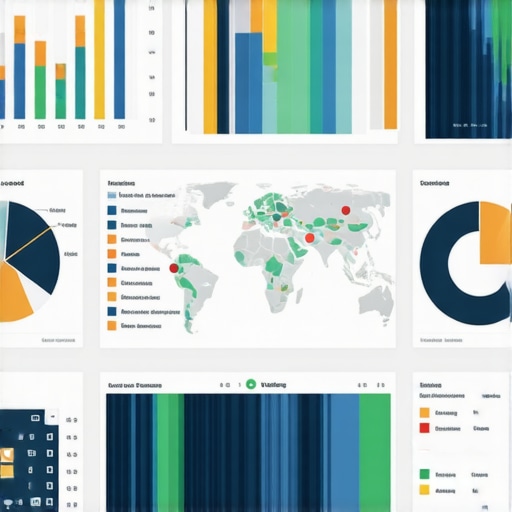
I vividly remember the moment I realized my entire local SEO strategy was built on shaky ground. It was late at night, staring at my GMB performance report, feeling a mix of frustration and confusion. Despite pouring hours into tracking every metric imaginable, my rankings stagnated, and I couldn’t pinpoint why. Then it hit me—a few of those metrics I was obsessing over had become irrelevant, and clinging to them was only holding me back.
Since then, I’ve made it my mission to continuously reevaluate what truly matters in local SEO. As 2026 approaches, the landscape is shifting faster than ever. That means some of the metrics that once guided our decisions are now just noise, leading businesses astray. In today’s post, I’ll share insights from my personal experience and research to help you identify which GMB performance metrics you can stop tracking now, so you can focus on what really moves the needle.
Why Clinging to Old Metrics Is Holding Your Business Back
Back in the day, tracking impressions and clicks seemed enough to gauge local visibility. But over time, I realized that metrics like total views or surface-level engagement didn’t necessarily translate into actual store visits or sales. I learned this the hard way—early on, I made the mistake of obsessively monitoring vanity metrics that had little impact on my bottom line, which wasted my resources and caused unnecessary stress. Recognizing this, I shifted my focus toward metrics that reflect genuine customer intent and behavior.
According to recent studies, many local businesses waste valuable time on metrics that don’t accurately predict growth. For instance, a report by BrightLocal indicates that small businesses should prioritize conversion-related insights over superficial data points. By dropping outdated metrics, you free up time and mental space to optimize strategies that genuinely improve local rankings and customer engagement.
Is Tracking Metrics That Don’t Matter Really Worth It?
Here’s the thing: early in my journey, I was guilty of tracking everything because I thought more data meant better results. It wasn’t until I understood which metrics signaled real progress that I started to see tangible growth. If you find yourself overwhelmed or unsure whether your current reports are helping or hindering your efforts, you’re not alone. The key is to identify and eliminate metrics that no longer serve your goals. Want to learn exactly how to do this? Check out our guide on unlocking your local SEO potential with critical report strategies for 2025 for more tailored advice.
So, have you faced a situation where data seemed promising but didn’t lead to actual results? If so, you’re in good company, and I’m here to help you navigate this tricky terrain. The next step? Let’s explore which metrics are safe to drop in 2026 and beyond, so you can concentrate on real growth drivers instead of chasing vanity stats.
.
Prioritize your core reports
Start by analyzing your existing SEO KPI dashboard and identify which metrics truly correlate with business growth. I once spent a week pouring over impressions and click-through rates, trying to connect them with sales, but found no direct link. Instead, I shifted focus to conversion rates and customer inquiries, which proved more actionable and led to real revenue increases.
Cut through the noise with specific goals
Set clear objectives such as increasing local store visits or phone calls. For each goal, ask yourself which data points directly influence those targets. In my experience, tracking the performance of your Google My Business (GMB performance report) on metrics like direction requests or call clicks provided tangible insights. Remove metrics like surface visits or fetches that inflate vanity but don’t impact conversions.
Use maps analytics to identify what drives visits
Leverage maps analytics to see where your customers physically come from and which locations generate the most engagement. When I examined these, I realized I was obsessing over views that originated from remote areas—useless for my local campaigns. Instead, I concentrated on proximity metrics, which revealed real walk-in potential.
Refine your ranking tracker focus
Many businesses rely heavily on their ranking tracker. But not all rankings matter equally. Identify the local keywords your customers use and monitor those specifically. I remember neglecting specific neighborhood keywords and focusing on broad terms; once I adjusted, I saw my local pack rankings jump, directly impacting foot traffic. Stay away from broad global rankings—they’re less relevant for local impact.
Apply rigorous data validation techniques
To avoid chasing false signals, implement checks like cross-verifying data from multiple sources. I used to rely solely on GMB insights, which sometimes produced anomalies due to algorithm updates. By comparing these with Google Maps analytics and my ranking tracker, I eliminated metrics that didn’t align. Regular audits help detect and discard misleading data, ensuring your efforts target real drivers of local success.
Automate and eliminate unnecessary metrics
Use automation tools to flag metrics that show no growth or correlation with your objectives. Initially, I spent hours manually reviewing reports, but now I’ve set up alerts for low engagement metrics unrelated to conversion states. This approach frees up resources and keeps my focus on indicators that truly move the needle—like map ranking improvements and local review scores.
Remember
Discarding irrelevant metrics isn’t about ignoring data; it’s about sharpening your focus. By routinely auditing your local SEO reports and adjusting what you track, you’ll make better decisions rooted in real customer behavior rather than vanity stats. Focus on data that predicts and influences actual growth—your business will thank you for it.
Many marketers assume that their local SEO reports, such as the SEO KPI dashboard and maps analytics, reveal the whole picture, but in reality, they often overlook critical nuances that can mislead strategic decisions. A prevalent misconception is that tracking surface-level metrics like impressions or views directly correlates with genuine customer engagement. While these numbers can provide a snapshot, they rarely tell the complete story of local search success, especially if the data isn’t contextualized correctly. Relying solely on such vanity metrics might lead you to prioritize superficial improvements rather than impactful tactics that truly drive local traffic and conversions.
Is Your Ranking Tracker Obscuring the True Local Landscape?
In my experience, many professionals underestimate how flawed their ranking trackers can be, especially when trying to interpret shifts caused by AI disruptions or algorithm updates. For instance, a study by Google’s Search Quality team emphasizes that rankings are dynamic and often affected by factors outside standard measurement, like personalized search or local intent fluctuations. If your tracking system isn’t accounting for these variables—like proximity gaps or map personalization—you risk making decisions based on incomplete or outdated data. The key lies in understanding what your ranking tracker might be missing and adjusting your approach accordingly. Learn more about these hidden pitfalls by exploring https://localseoreport.com/why-your-ranking-tracker-is-missing-5-maps-insights-in-2026.
A common trap is believing that an increase in map views or surface clicks equates directly with growth. However, without validating these metrics against customer intent signals—such as direction requests or calls—you could be chasing false positives. For example, a rise in local map impressions from distant areas might inflate your metrics, but it doesn’t necessarily translate to local foot traffic. This is where advanced maps analytics come into play, helping us decipher which engagement truly matters. You can deepen your understanding of these subtleties through https://localseoreport.com/maps-analytics-insights-enhance-google-maps-rankings-tracking-tools.
Another critical nuance involves the misinterpretation of the GMB performance report. Many see high surface data as a success metric but overlook how conversion-oriented insights—like customer inquiries or direction requests—are more indicative of actual business growth. An overemphasis on superficial data can divert resources from optimizing reviews, local intent, or on-site experience, which are more impactful. For context, check out https://localseoreport.com/7-seo-kpi-dashboard-metrics-that-actually-prove-2026-revenue.
To truly refine your local SEO efforts, you must embrace a dual approach: dissect your data to identify what truly influences your goals and validate your findings across multiple sources. This strategy safeguards against common pitfalls, such as data anomalies caused by map personalization or local algorithm vagaries. Regular audits and a nuanced understanding of what each metric signifies can help you avoid the trap of measuring the wrong signals. As I always say, consider whether your metrics are helping you pinpoint real opportunities or just creating noise—there’s a significant difference.
Have you ever fallen into this trap? Let me know in the comments. Remember, the goal isn’t just to collect data but to interpret it wisely, focusing on those signals that truly impact your local visibility and revenue.
How do I maintain my local SEO toolkit over time?
Maintaining an effective set of tools for local SEO is crucial to staying ahead in a competitive landscape. I personally rely on a combination of software and disciplined methods that ensure data accuracy and actionable insights. One tool I swear by is a robust SEO KPI dashboard, which consolidates all critical metrics into a single view. Regularly auditing this dashboard helps me identify drifts or anomalies early, preventing costly misallocations of resources.
Another indispensable resource is maps analytics software. I use this to analyze customer proximity patterns and optimize my local campaigns accordingly. The key isn’t just owning a tool, but understanding its intricacies and setting routine data validation processes.
To keep these tools effective, I schedule weekly reviews where I cross-verify data across multiple sources. For example, I compare GMB insights with Google Maps analytics and my ranking tracker (Learn the secrets to mastering ranking trackers). This layered approach helps me catch discrepancies before they mislead my strategy.
Looking ahead, the trend points toward AI-powered automation that can automatically flag data inconsistencies and suggest corrective actions. Companies investing in predictive analytics will gain a significant edge, making manual checks less necessary over time. This evolution means that mastering current tools while preparing for advanced automation will be the secret to sustained success.
To stay on top, I recommend you experiment with integrating these tools into a cohesive workflow and schedule routine audits. Consider setting up automated alerts for unusual metric fluctuations or drops, so you can act swiftly.
Want to take your tracking to the next level? Try setting up an automated comparison between your GMB performance report and your maps analytics — I’ve seen this simple step prevent major strategy missteps. Dive into the specifics of these processes in our detailed guide and keep your local SEO efforts running smoothly long-term.
Lessons That Changed My Approach to Local SEO Metrics
The toughest lesson I learned was when I realized some metrics I relied on—like surface impressions or fetches—were leading me down the wrong path. I vividly recall spending weeks chasing these vanity stats, only to see little impact on actual store visits or revenue. That awakening pushed me to dig deeper, to focus on what truly drives growth, such as customer inquiries and proximity data from maps analytics. Once I shifted this perspective, my local SEO results transformed, proving that not all data is created equal.
Another lightbulb moment was understanding the pitfalls of over-relying on ranking trackers without context. I used to obsess over rankings for broad keywords, but these didn’t reflect real local intent. When I started honing in on neighborhood-specific keywords and validating rankings across multiple data sources, I finally gained insights that aligned with real customer behavior. The lesson? Be critical of your tools—know their limits and question the numbers.
A final insight was recognizing the importance of routine data validation. Early on, anomalies in GMB insights or maps analytics led me astray. Now, by cross-referencing metrics and setting up automated alerts, I catch errors before they steer my strategy off course. This discipline has been crucial in ensuring my local SEO efforts are focused and effective, saving precious time and resources.
Tools and Resources That Elevated My Game
When I needed to sharpen my local SEO toolkit, I turned to resources I trust for consistent, actionable insights. The SEO KPI dashboard became my command center, consolidating vital metrics and helping me spot trends quickly. Its comprehensive view saves time and highlights areas needing attention, ensuring I don’t chase irrelevant data.
For in-depth understanding of how maps analytics can reveal customer proximity patterns, I rely on maps analytics reports. They helped me identify walk-in zones and optimize my campaigns accordingly, making my efforts more targeted and effective.
Additionally, I embraced ranking trackers designed for local success. Learning their nuances and integrating results from multiple perspectives allowed me to mitigate errors caused by algorithm fluctuations or personalization. These tools, combined with diligent audits, became my secret weapons in sustaining growth.
Finally, I recommend regularly revisiting local SEO reports, ensuring your data remains relevant and reliable. Automation and scheduled reviews keep strategy aligned with on-the-ground realities, giving you confidence in your decisions.
Action Starts Now: Your Next Step in Local SEO Triumph
The key to sustained success lies in sharp focus and diligent validation. As you analyze your own local SEO data, ask yourself: Am I tracking the metrics that matter most to my business? Are my tools providing accurate, actionable insights, or am I being misled by noise? Remember, real growth happens when you let go of distractions and zero in on signals that genuinely impact your local visibility and revenue. Don’t wait for the perfect moment—start refining your approach today, and watch your local presence flourish.